
Alchemised
Alchemised is a dark fantasy romance novel by SenLinYu, set in the alchemically advanced city-state of Paladia amid war, religious collapse, and necromantic revolution.
This Alchemised Guide covers the novel’s key characters, factions, worldbuilding, and the rules of alchemy and resonance that govern the story.
Spoiler Warning: This guide contains major plot points and character developments from Alchemised.
Contents
Summary
Alchemised is set in the city-state of Paladia, a powerful industrial nation where alchemy governs warfare, industry, and political authority. The novel opens after a devastating civil war that topples the Order of the Eternal Flame, Paladia’s theocratic rulers, and installs the Undying—an immortal necromantic regime led by the High Necromancer.
Before the war, Paladia was ruled by divine mandate: the Principate wielded holy fire, the Faith regulated alchemy, and the guilds controlled industry. As industrial alchemy advanced and guild power grew, religious authority stagnated. When the guilds attempted to reform Paladia’s government, the necromancer Morrough exploited the unrest, offering immortality and raising the dead to build an overwhelming army. The resistance is crushed, necromancy becomes law, and Paladia falls under the rule of the Undying.
“She was a non-active member of the Order of the Eternal Flame and did not fight.”
The story follows Helena Marino, a gifted healer and former servant of the Eternal Flame, who awakens in captivity with no memory of the final year of the war. Believing she erased her own memories to protect a secret vital to the resistance, Helena is placed under the control of Kaine Ferron, High Reeve of the Undying and heir to a powerful industrial guild. As her memories are forcibly uncovered, Alchemised explores the cost of survival in a world where faith has failed, science has no limits, and power is built on what people are willing to sacrifice.
Alchemised Characters
The characters of Alchemised are shaped as much by ideology and circumstance as by personal desire. Set against the collapse of religious rule and the rise of necromantic power, each figure represents a different response to authority, survival, and sacrifice in a world where alchemy governs both bodies and states.
At the center of the story are Helena Marino, a gifted healer and former servant of the Eternal Flame, and Kaine Ferron, High Reeve of the Undying and heir to one of Paladia’s most powerful industrial guilds. Their relationship unfolds within captivity, political coercion, and the aftermath of war, blurring the lines between enemy, ally, and necessity.
Beyond the central figures, Alchemised features:
- religious leaders enforcing doctrine through sacrifice
- guild heirs reshaping society through industry and alchemy
- necromancers pursuing immortality through science
- resistance members caught between faith and reality
Each character’s role is defined not only by allegiance, but by what they are willing, or unwilling, to give up.
This section provides an overview of the major characters in Alchemised, their affiliations, and their significance within Paladia’s shifting balance of power.
| Image | Character | Age | Appearance | Background |
|---|---|---|---|---|
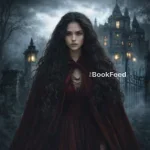
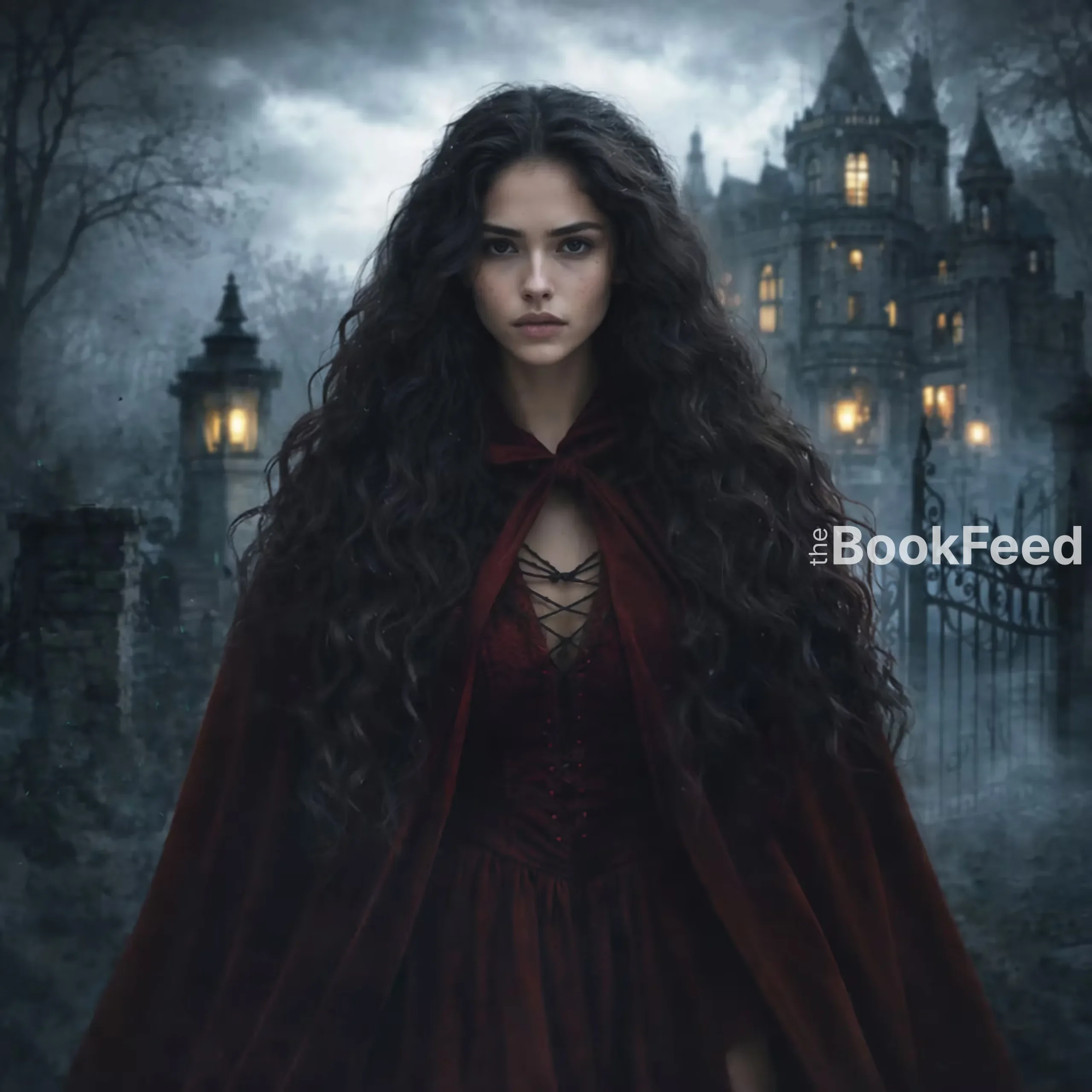
| Helena Marino | 22 | Curly dark brown hair, usually braided; large dark eyes. | Vivimancer and healer from Etras who served the Order of the Eternal Flame. |
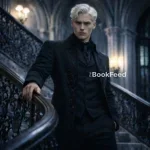
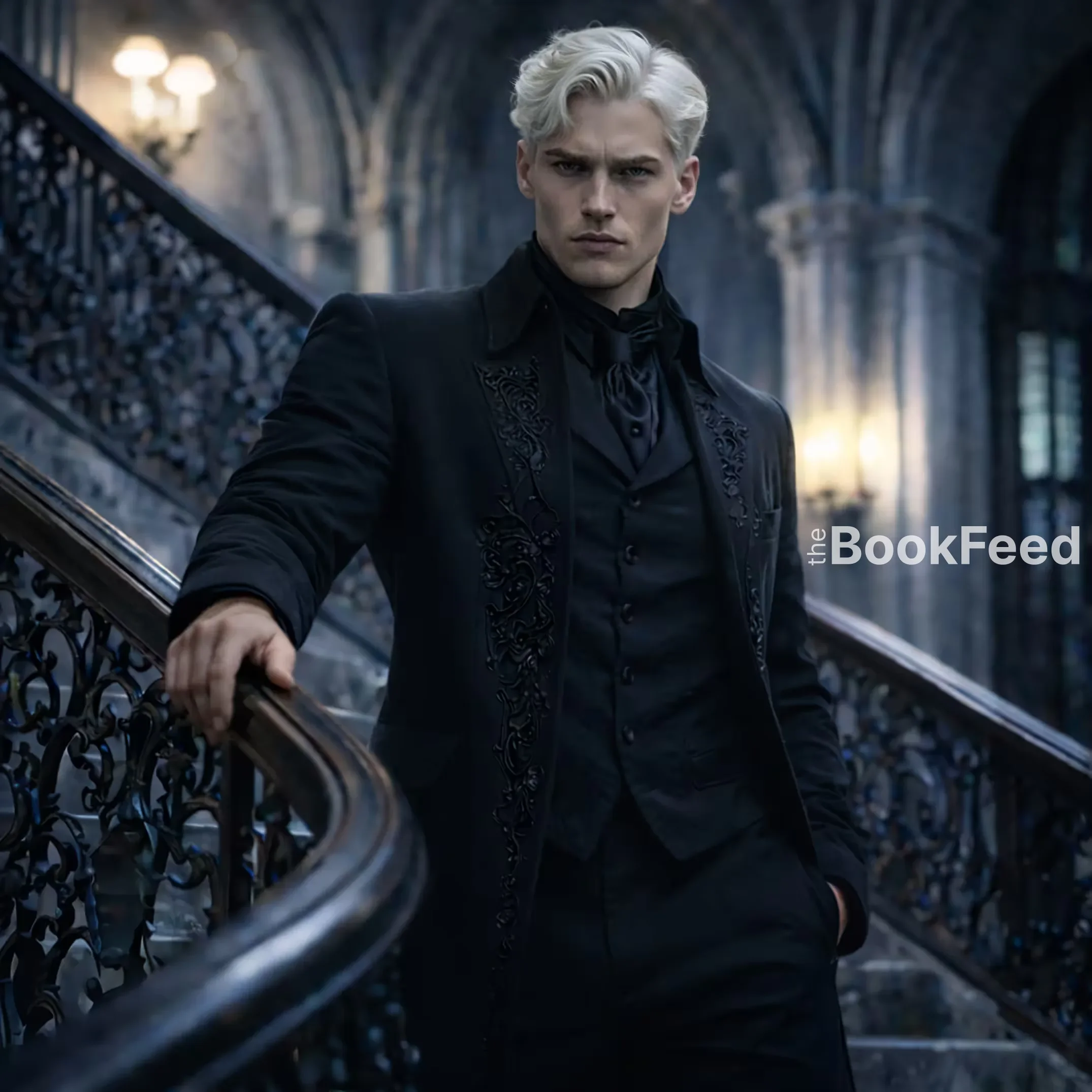 | Kaine Ferron | 22 | Colourless silver-white hair, bleached pallor, silver-grey eyes. | High Reeve of the Undying. Former heir of the Ferron Guild and trained vivimancer, later mastering animancy. |
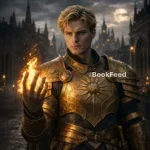
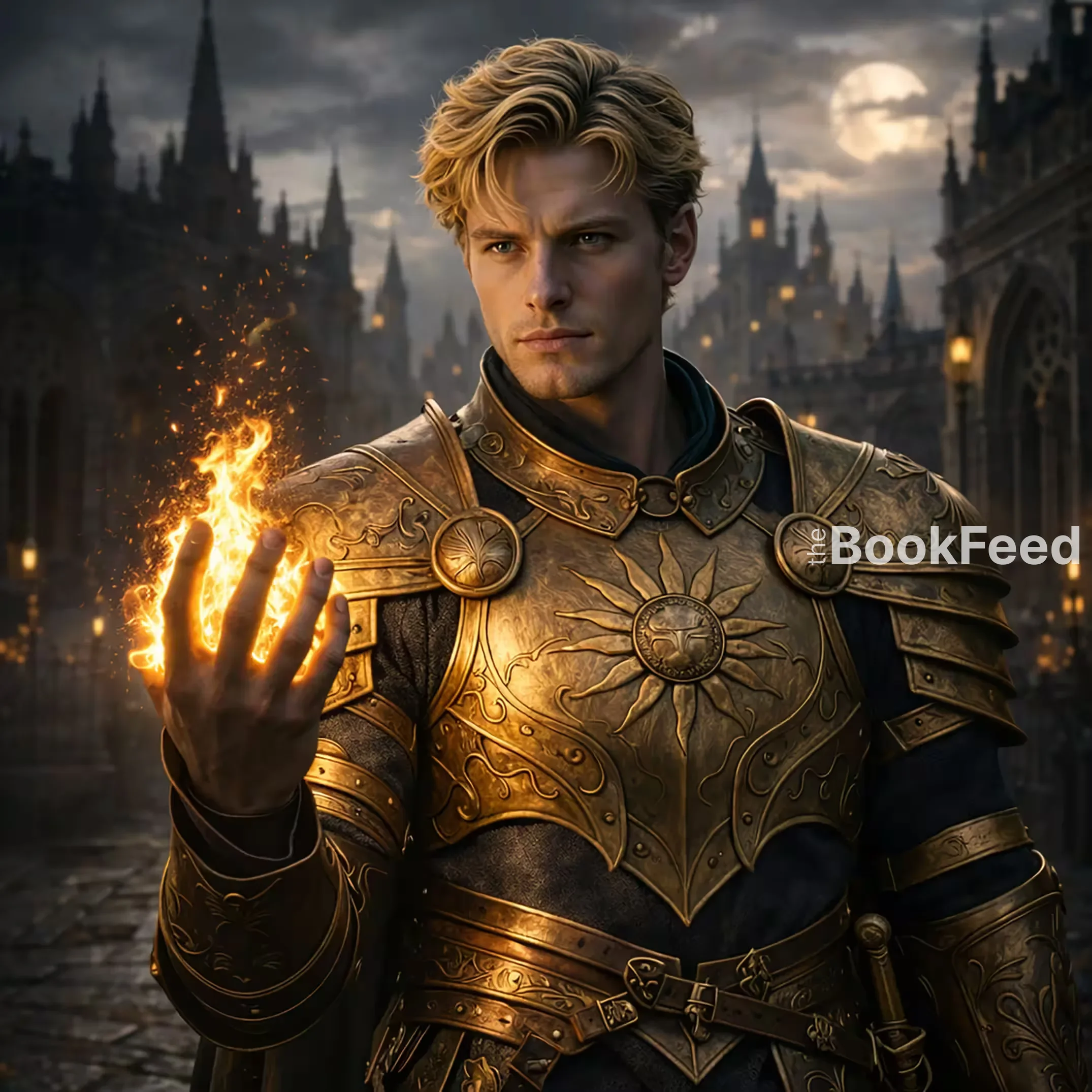 | Luc Holdfast | 22 | Slight of build; golden hair, striking blue eyes. | Son of Principate Apollo Holdfast. Inherits the role of Principate during the war. |
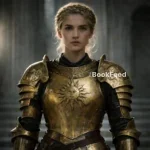
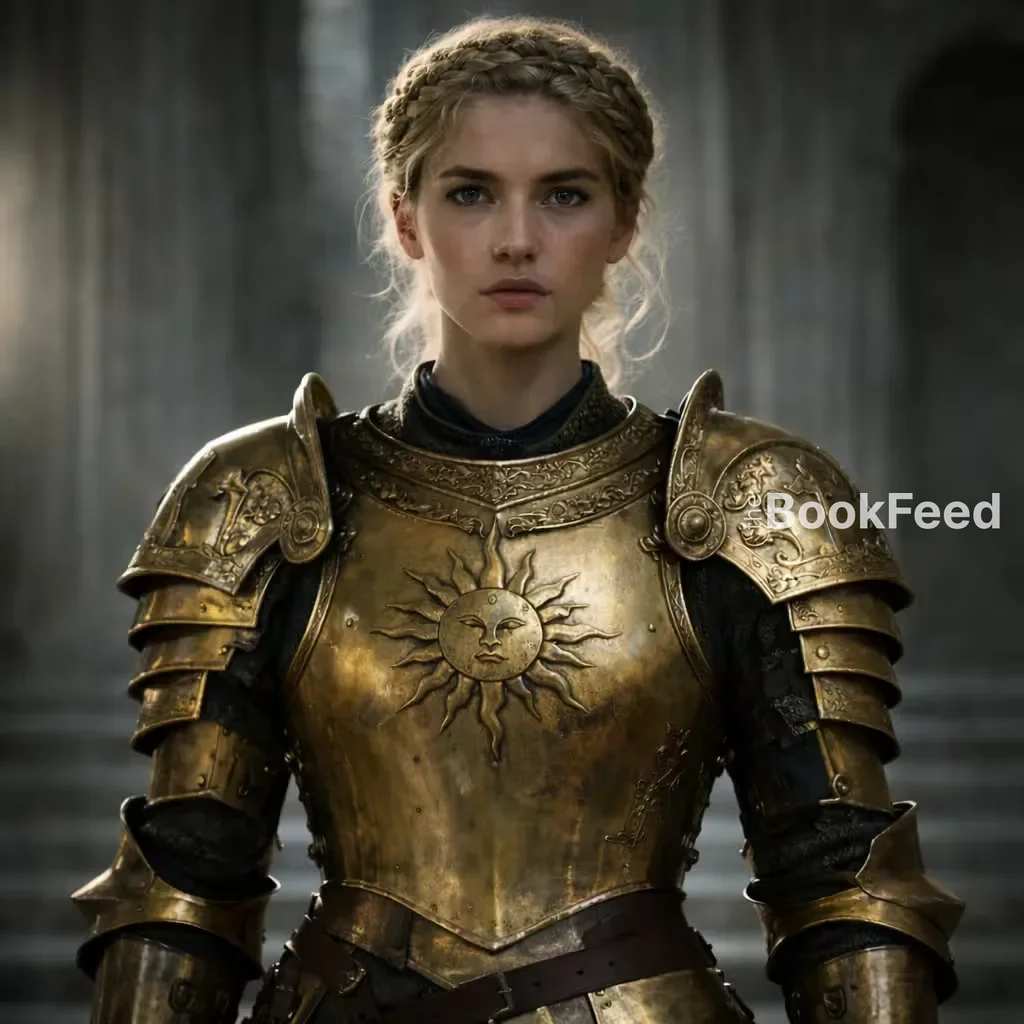 | Lila Bayard | Unknown | Pale hair braided in a crown; ice-blue eyes; tall and imposing; prosthetic right leg. | Paladin primary sworn to protect Luc Holdfast. Twin sister of Soren Bayard. |
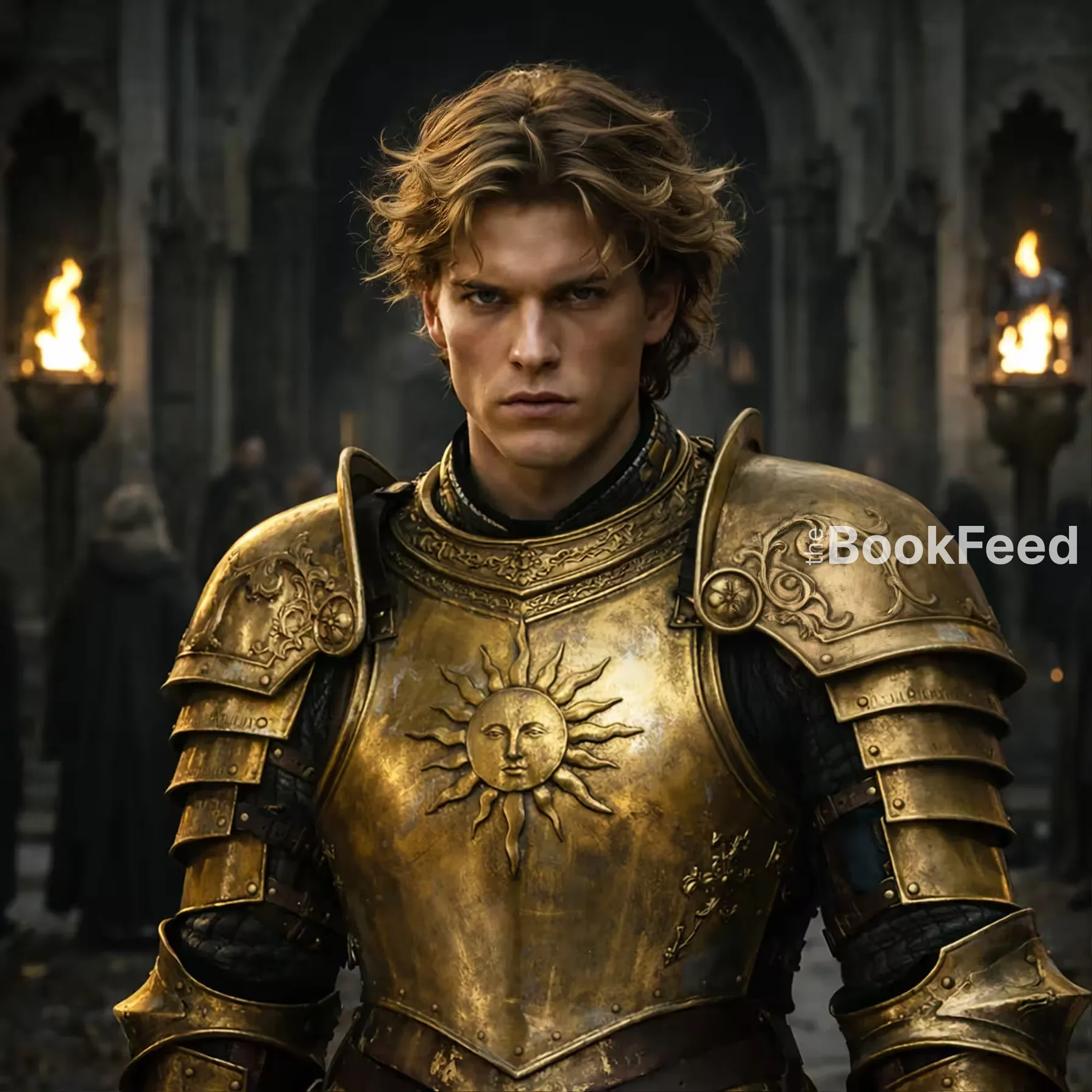 | Soren Bayard | Unknown | Small in stature; deep-set green eyes. | Paladin and twin brother of Lila Bayard. |
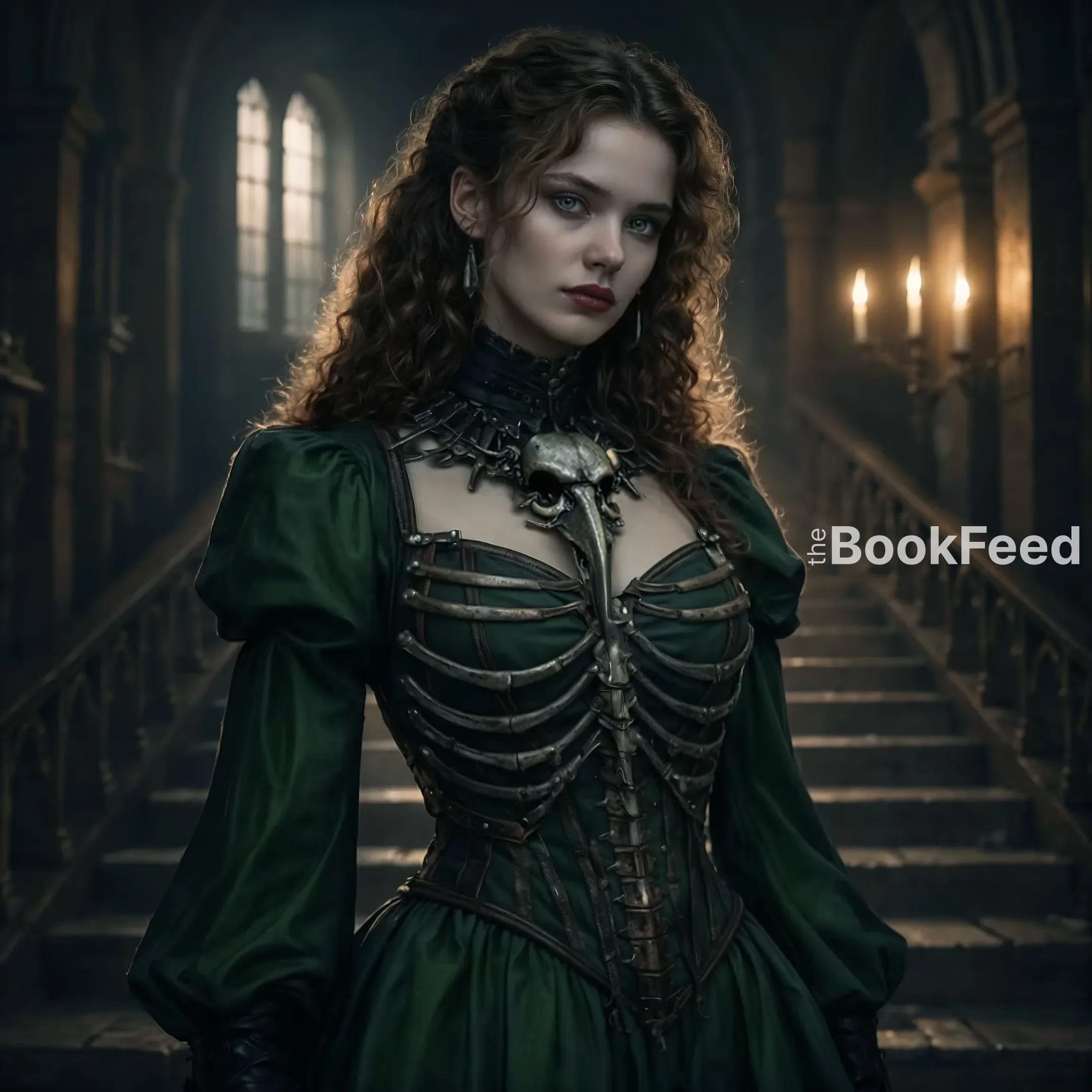 | Aurelia Ferron | Unknown | Light-brown hair in perfect ringlets, pale face, pale-blue eyes | Kaine Ferron’s wife and socialite. |
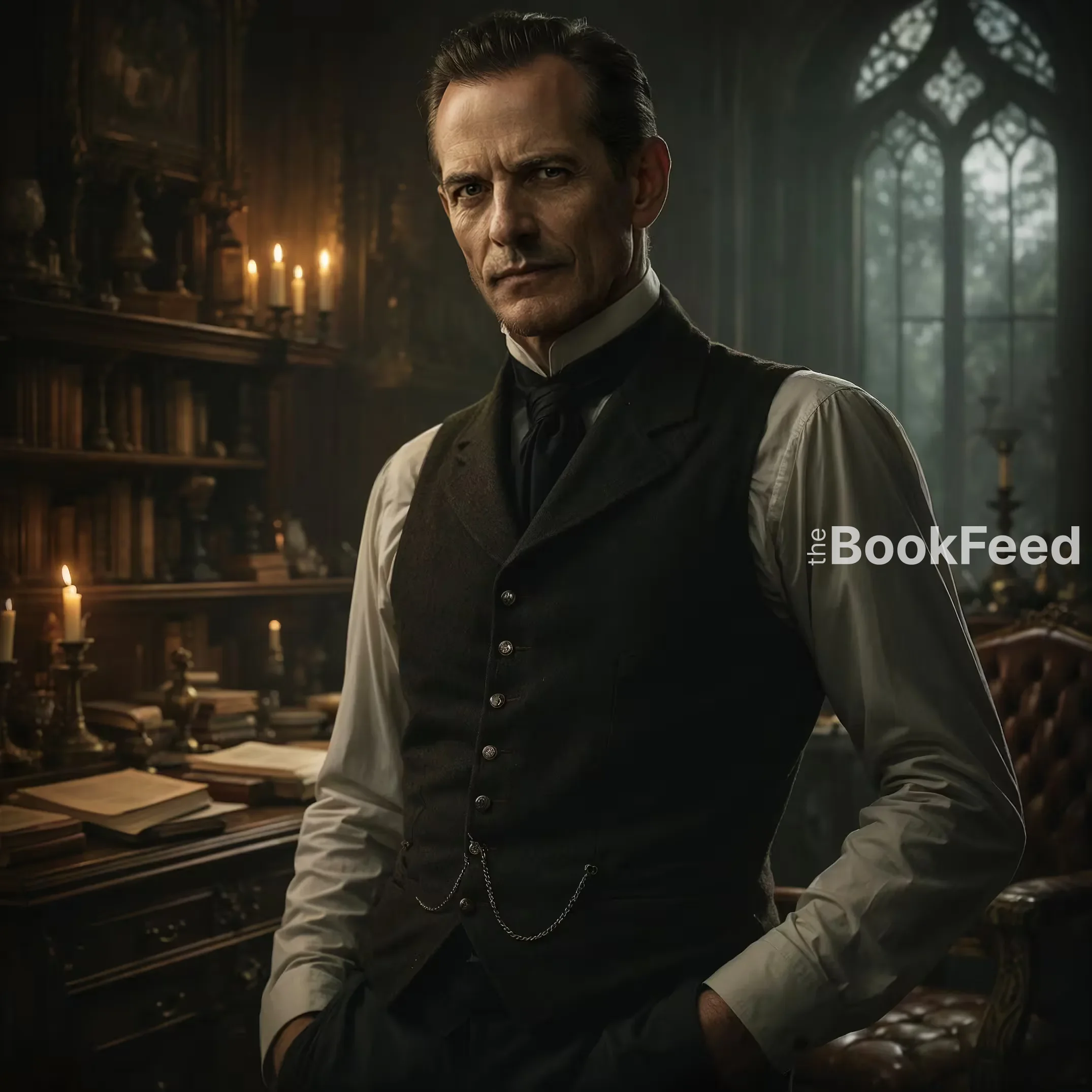 | Jan Crowther | Unknown | Thin, needle-like build; ash-brown hair combed back | Senior council member of the Eternal Flame and a red-flame pyromancer. |
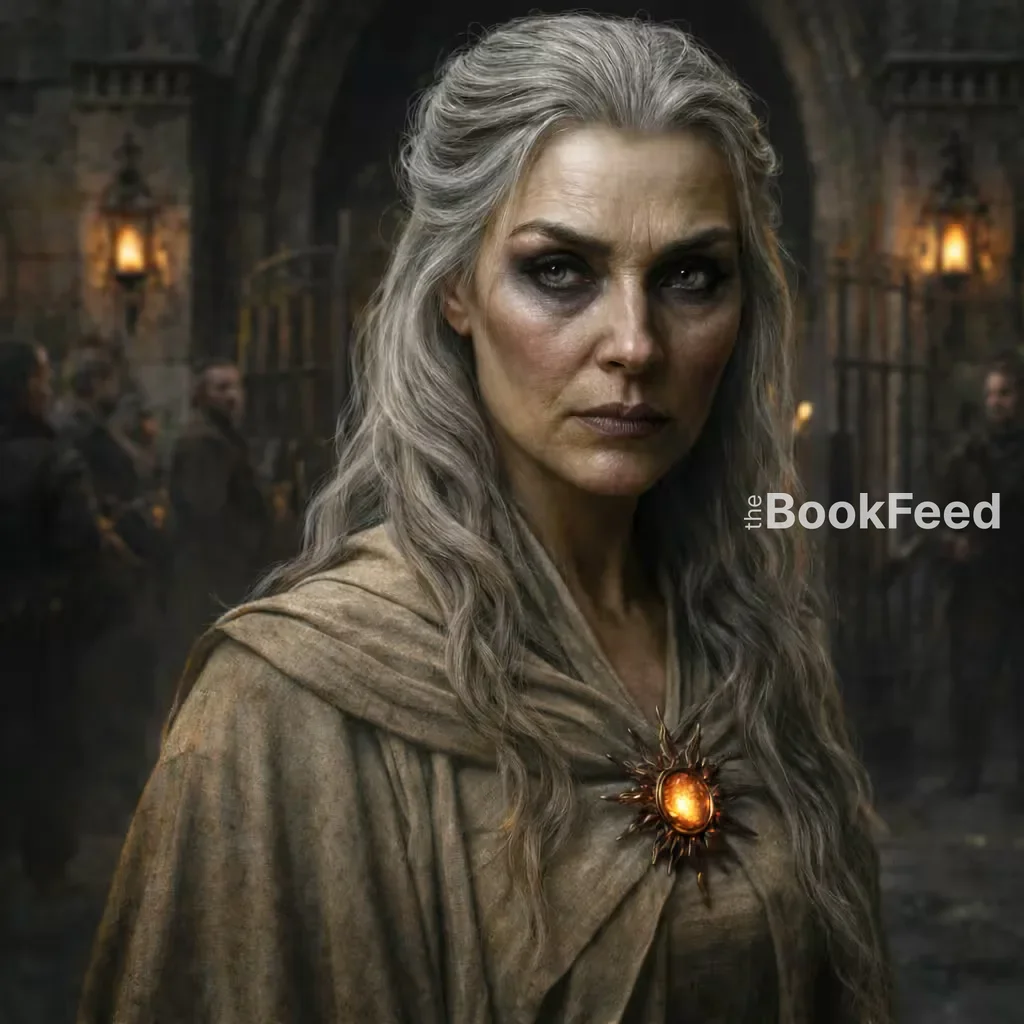 | Ilva Holdfast | Unknown | Gaunt, grey-haired woman; often seen with a cane. | Matriarch of the Holdfast family. Acts as Luc’s steward and political anchor after the war. |
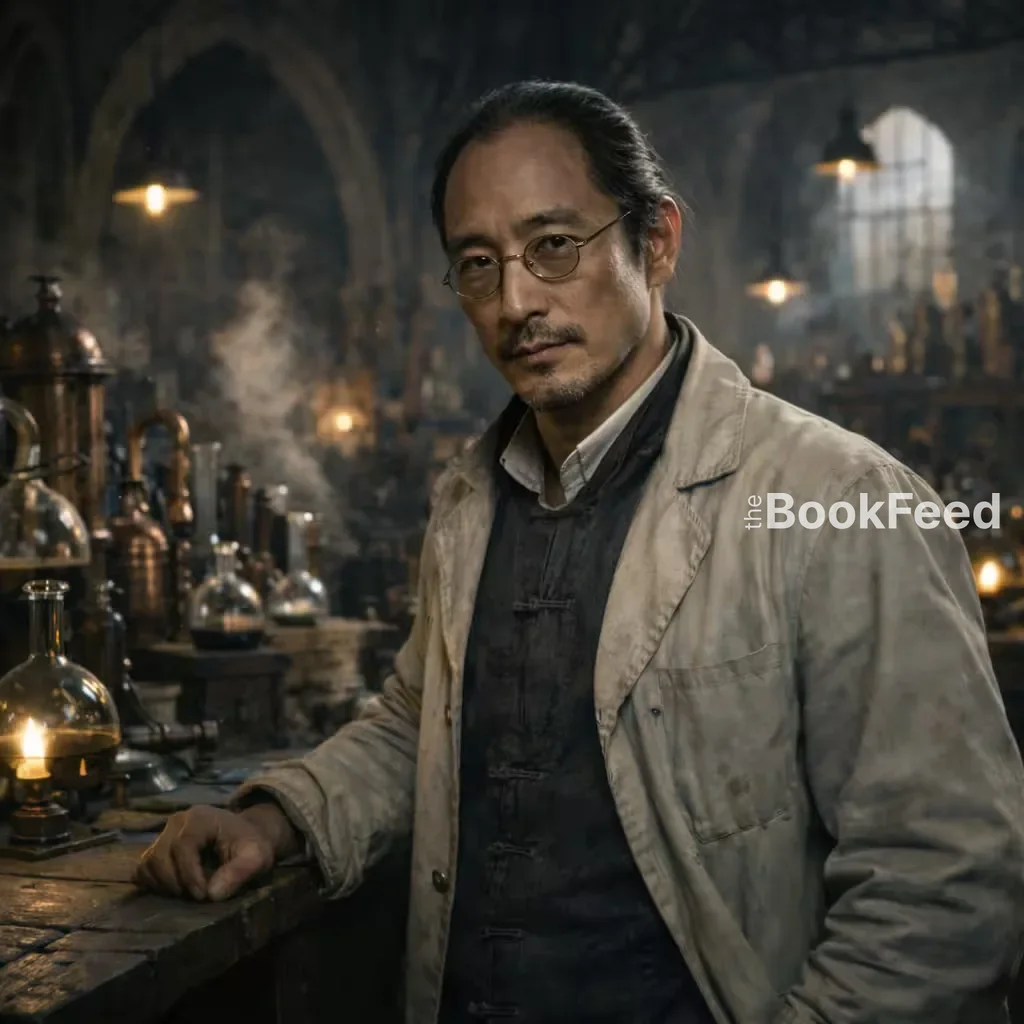 | Shiseo | Unknown | Small, balding man with a round face and dark hair and eyes. | Metallurgist from the Far East. |
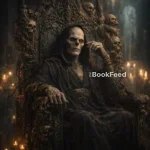
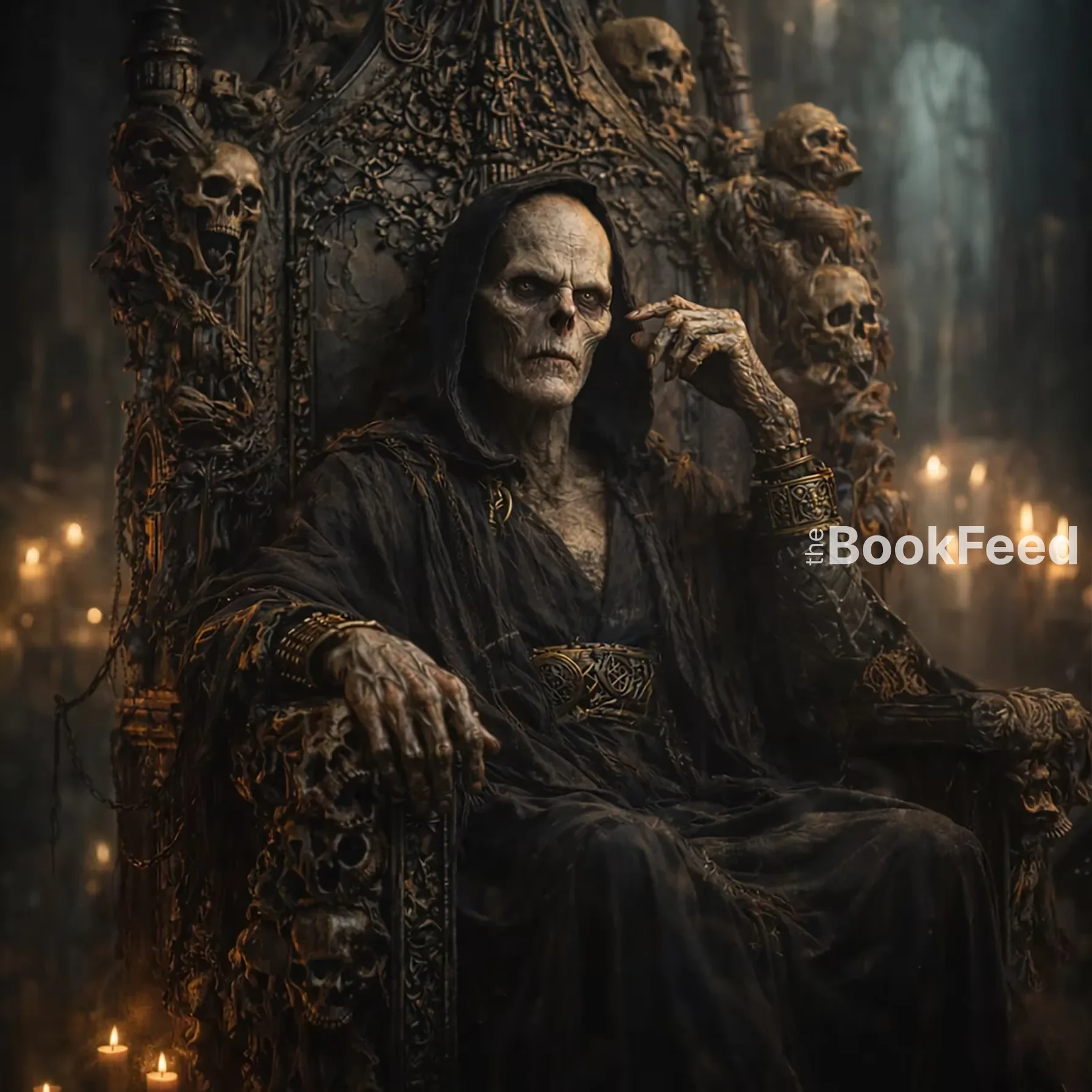 | Morrough | Unknown | Massive, mutated body; skull-like face; eyes burned away into black hollows | The High Necromancer and leader of the Undying. |
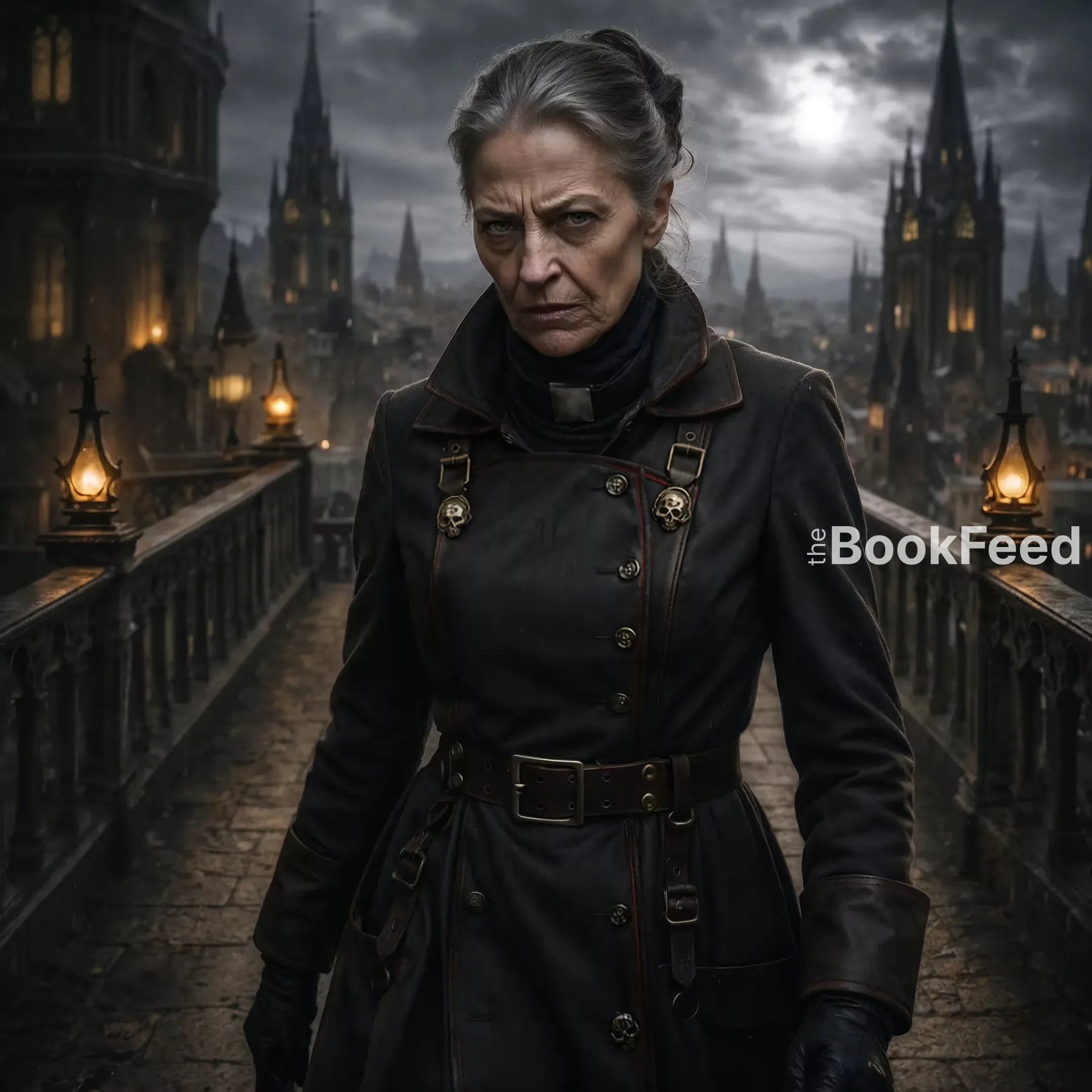 | Irmgard Stroud | Unknown | Squarish face, tense lines, blue eyes with deep creases | Vivimancer who inherits Bennet’s research and continues experimentation on Helena. |
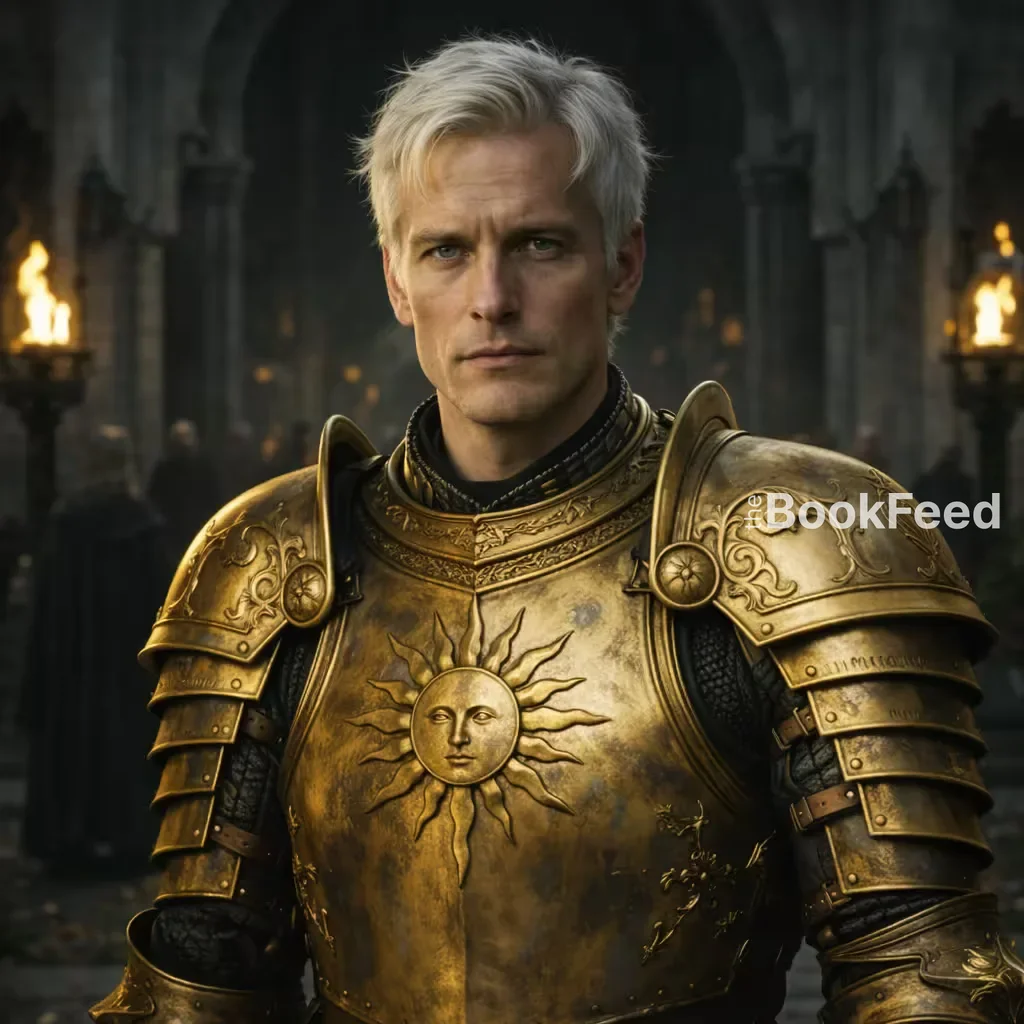 | Sebastian Bayard | Unknown | Tall, agile build; pale skin and hair; soft searching blue eyes | Former paladin primary to Principate Apollo Holdfast. Uncle to Lila and Soren Bayard. |
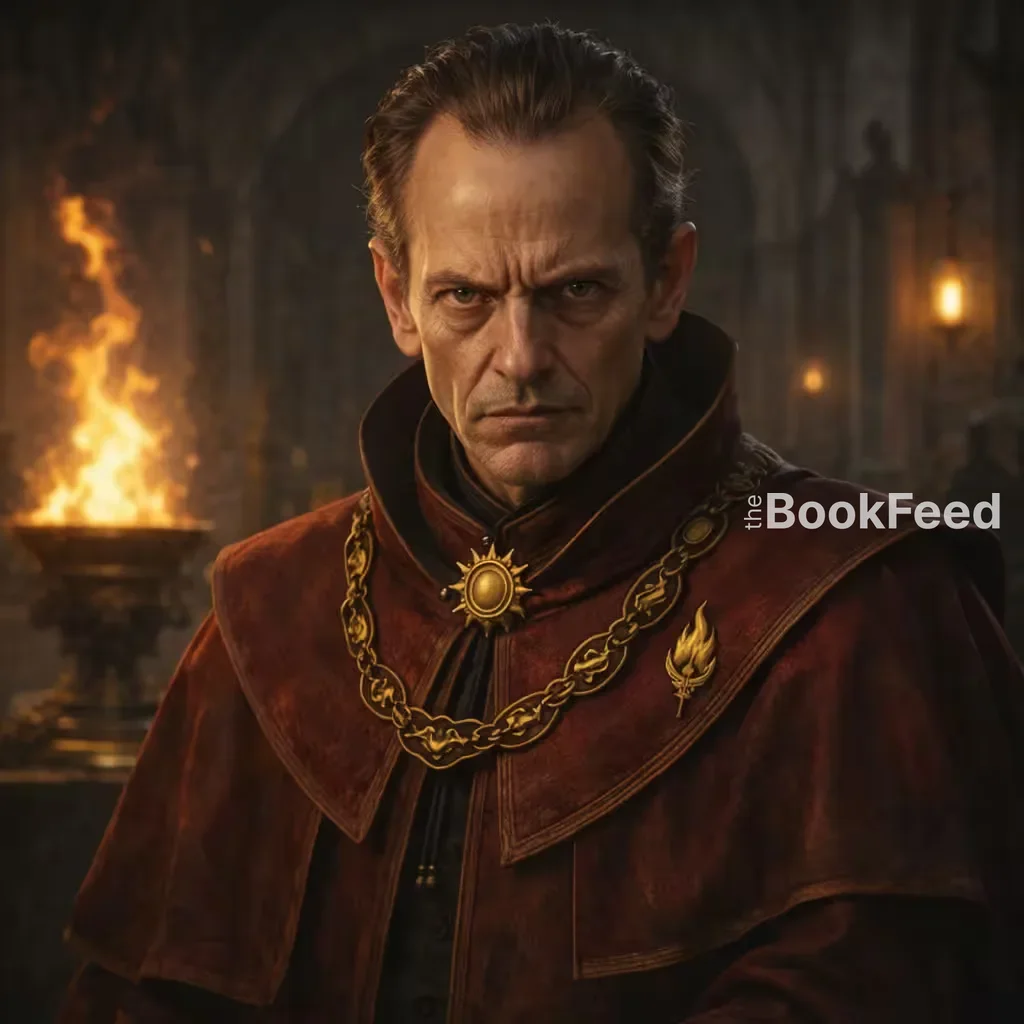 | Falcon Matias | Unknown | Small, bony man with an aggressive bearing | Spiritual counsellor of the Eternal Flame’s council and Helena’s direct superior. |
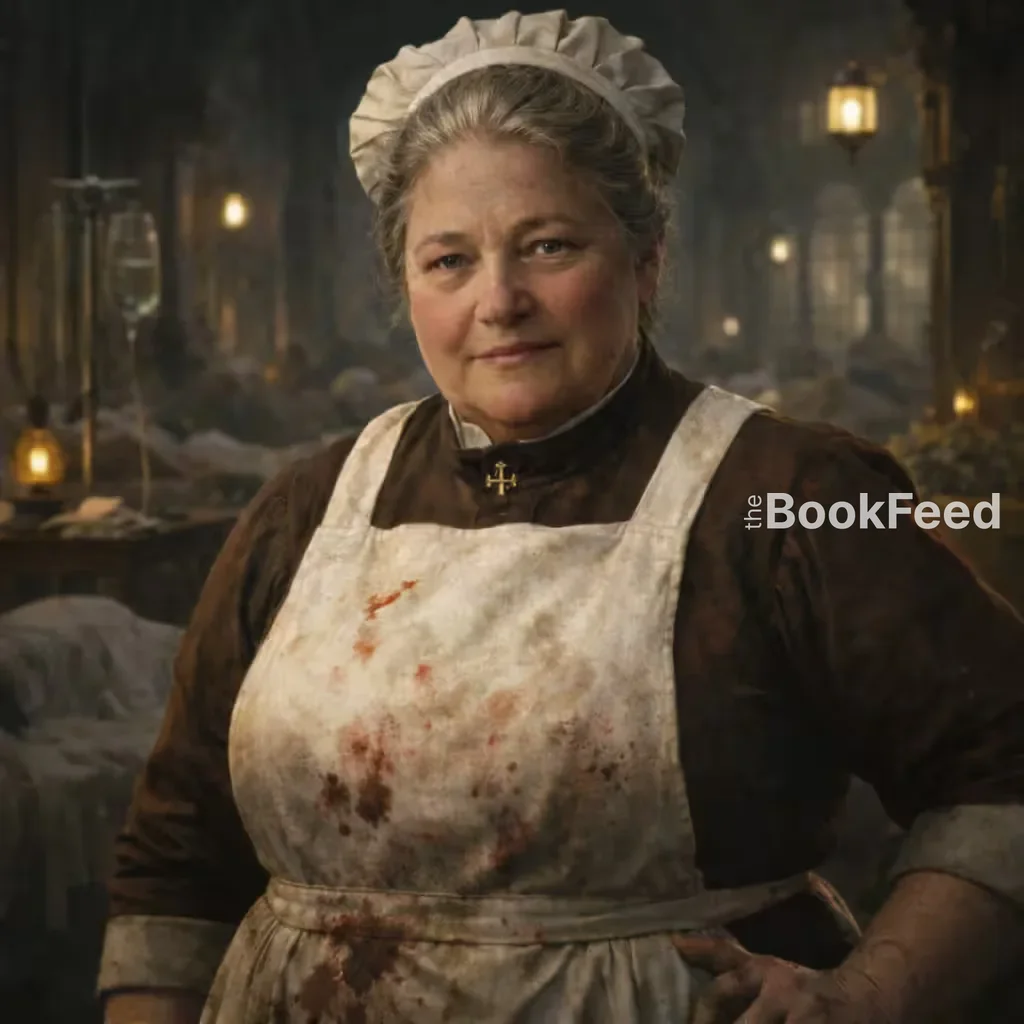 | Matron Pace | Unknown | Greying hair, flushed and swollen face | Veteran medical worker at Paladian Central Hospital. |
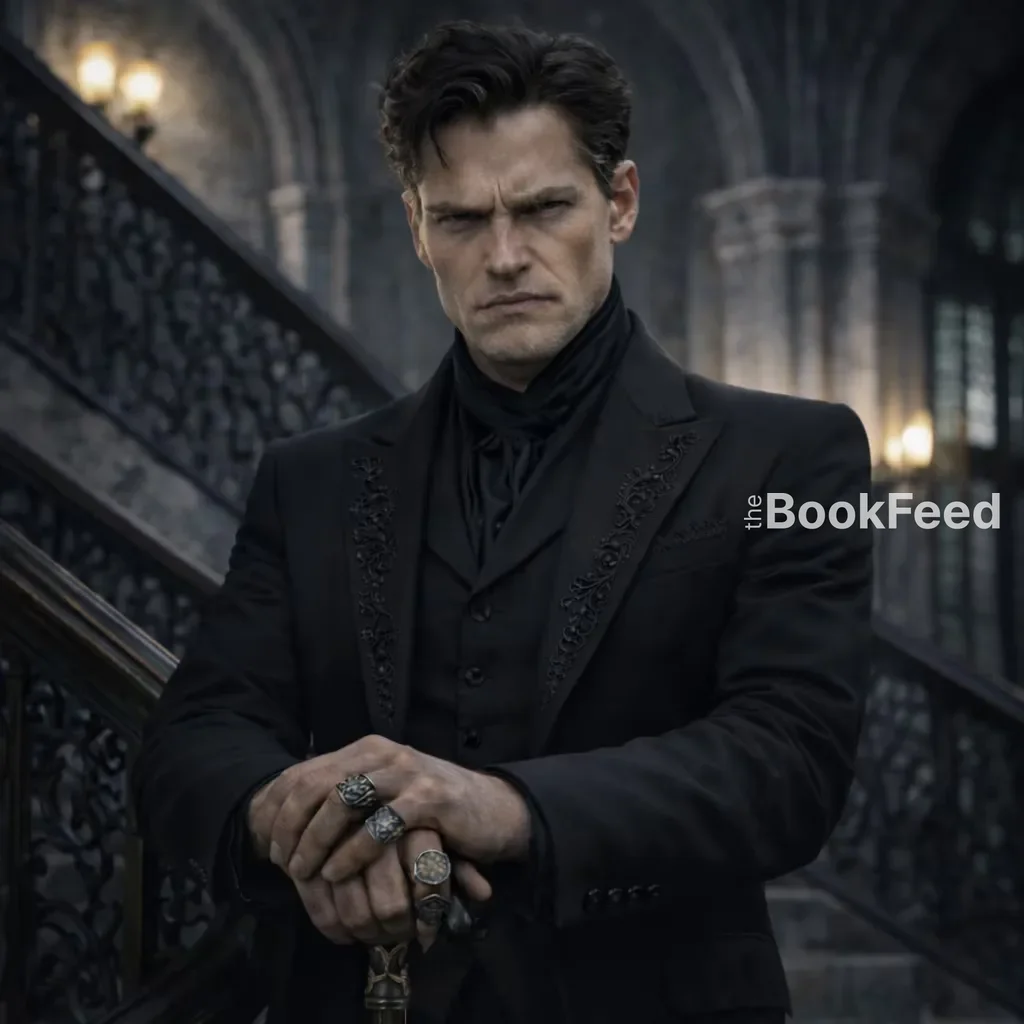 | Atreus Ferron | Unknown | Large man with hawkish features, pale-blue eyes, broad shoulders. | Former master of the Ferron Guild and Kaine Ferron’s father. |
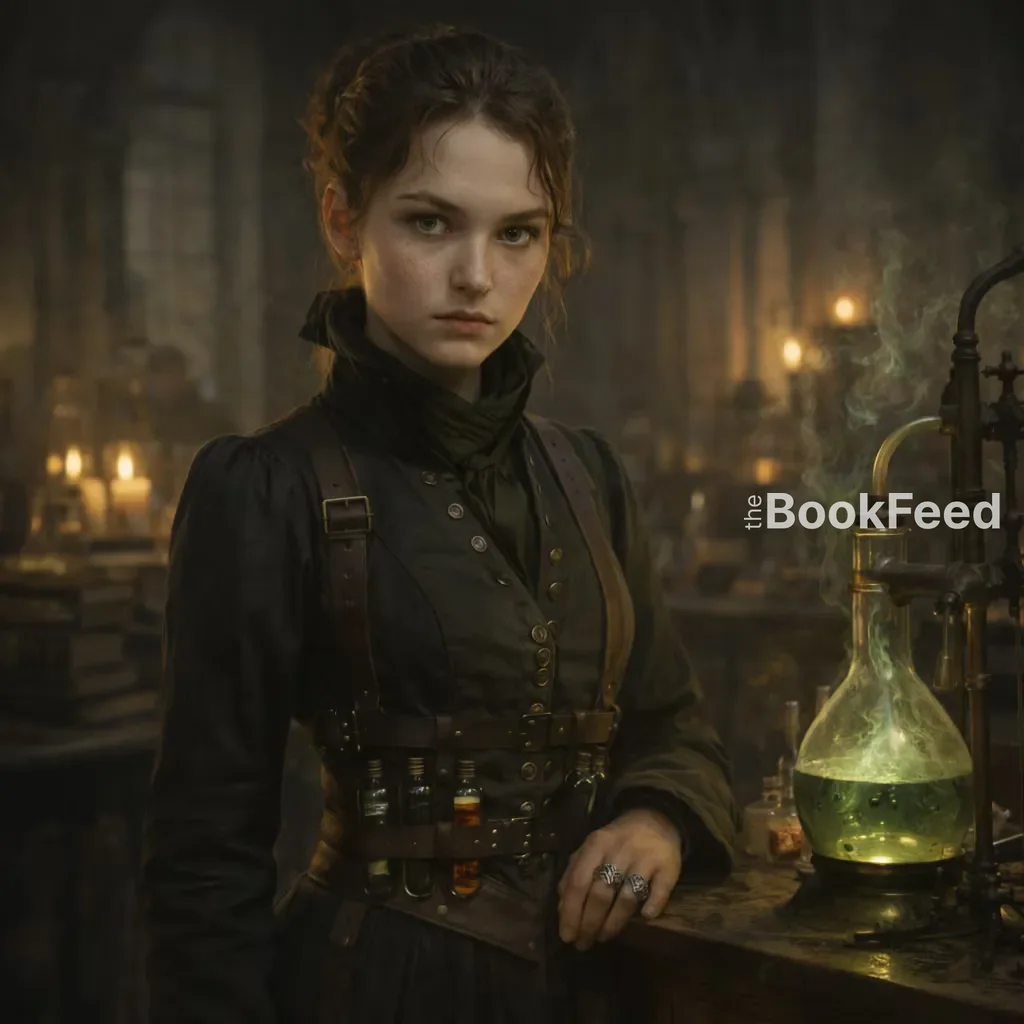 | Ivy Purnell | Unknown | Very young in appearance; sharp, foxlike eyes; moves cautiously | Exceptionally young vivimancer within the Eternal Flame, working closely with Crowther. |
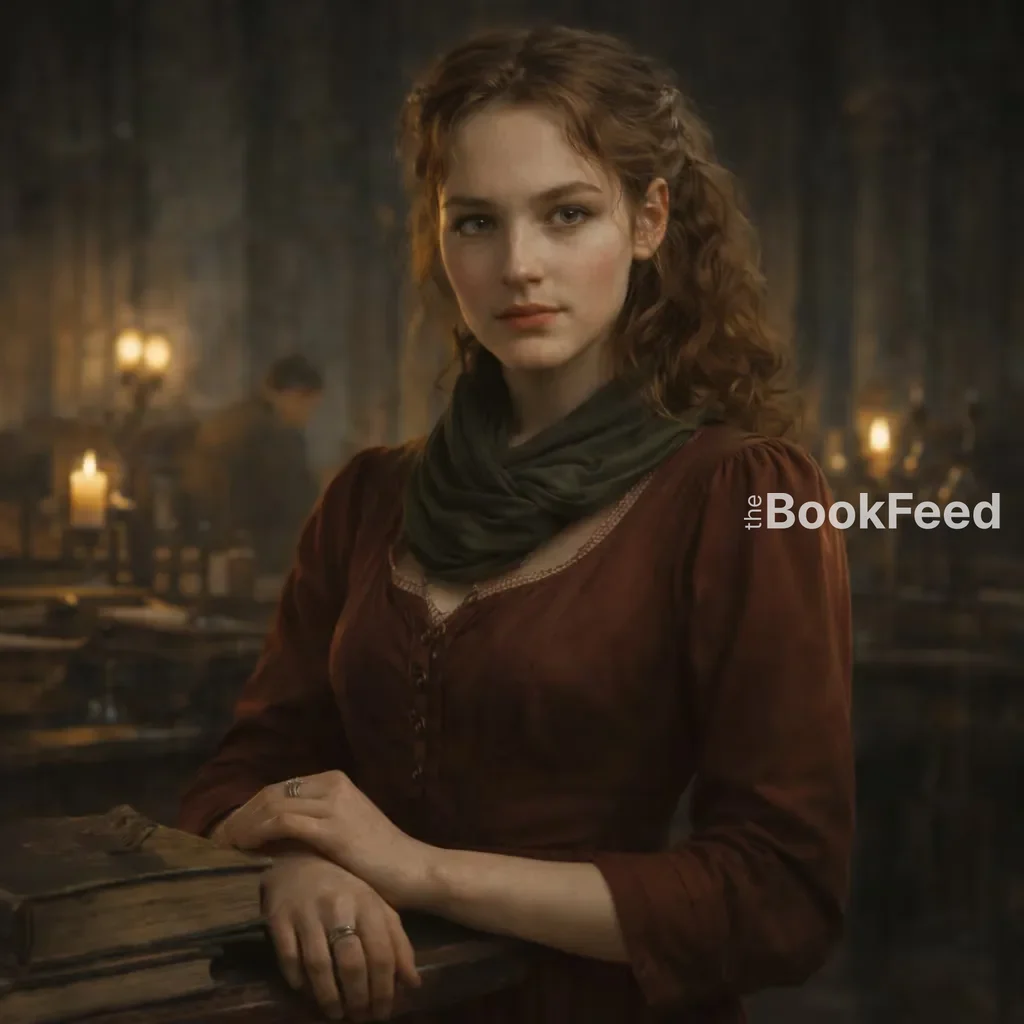 | Sofia Purnell | Unknown | Soft-featured; with a clear familial resemblance to Ivy | Ivy Purnell’s older sister; assists in Luc Holdfast’s rescue. |
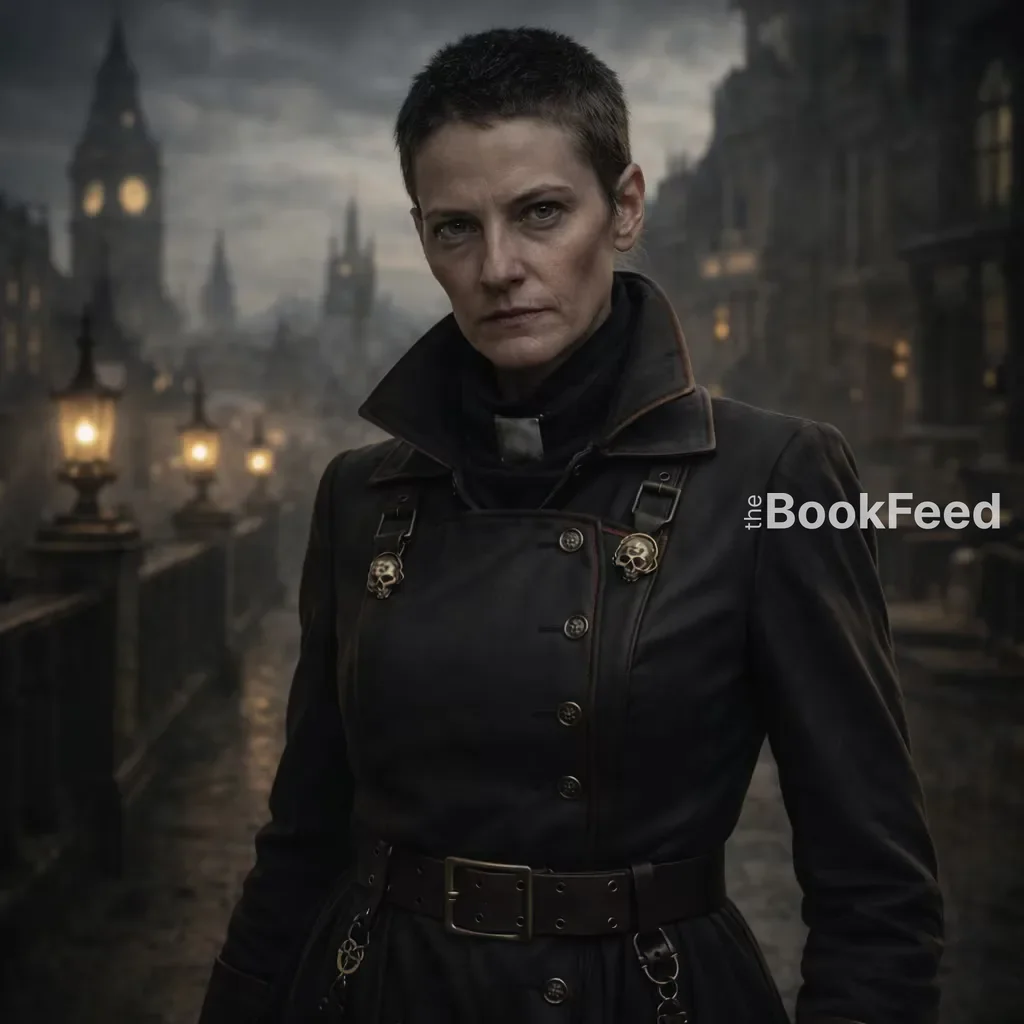 | Mandel | Unknown | Thin-faced woman with cropped hair and pale-blue eyes | Warden overseeing prisoners, including Helena. |
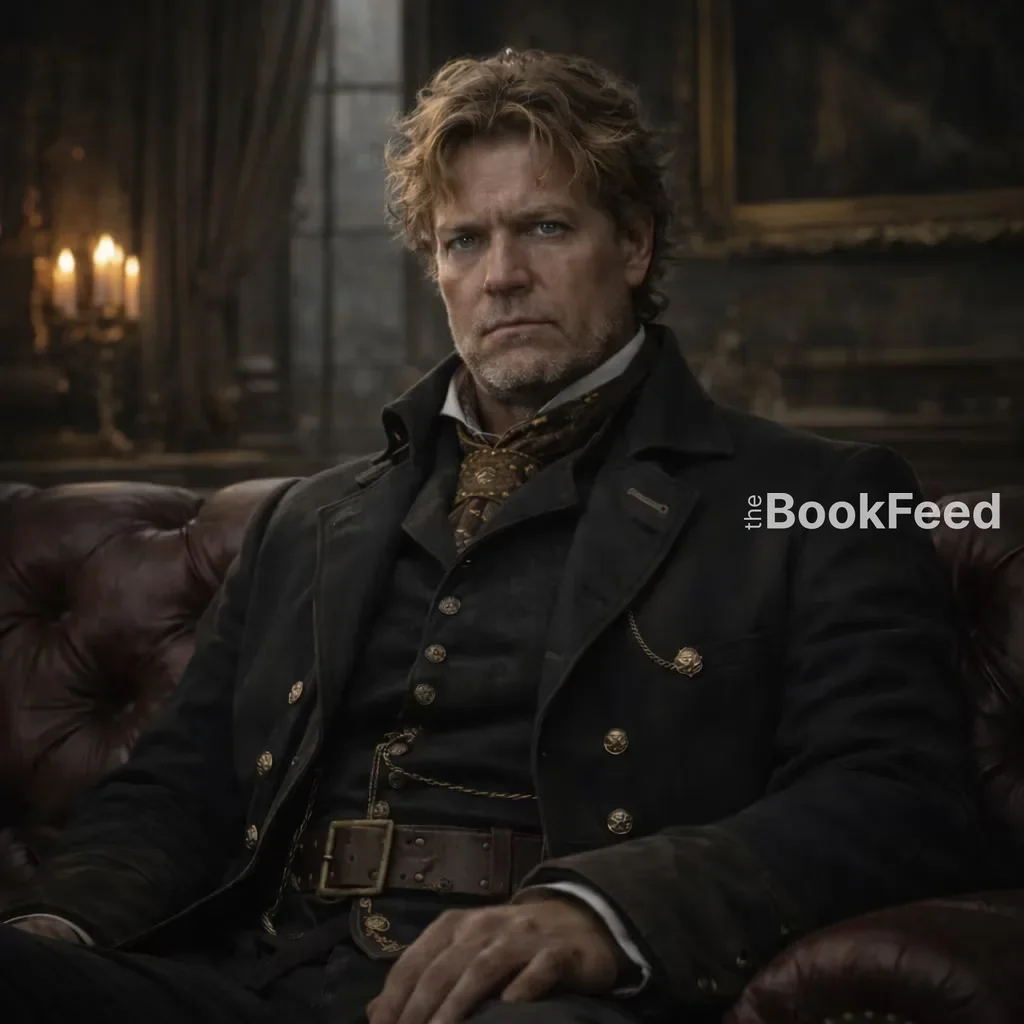 | Titus Bayard | Unknown | Broad-shouldered, tall, with a wide furrowed forehead | Former general of the Eternal Flame’s military forces. Father of Lila and Soren; husband to Rhea. |
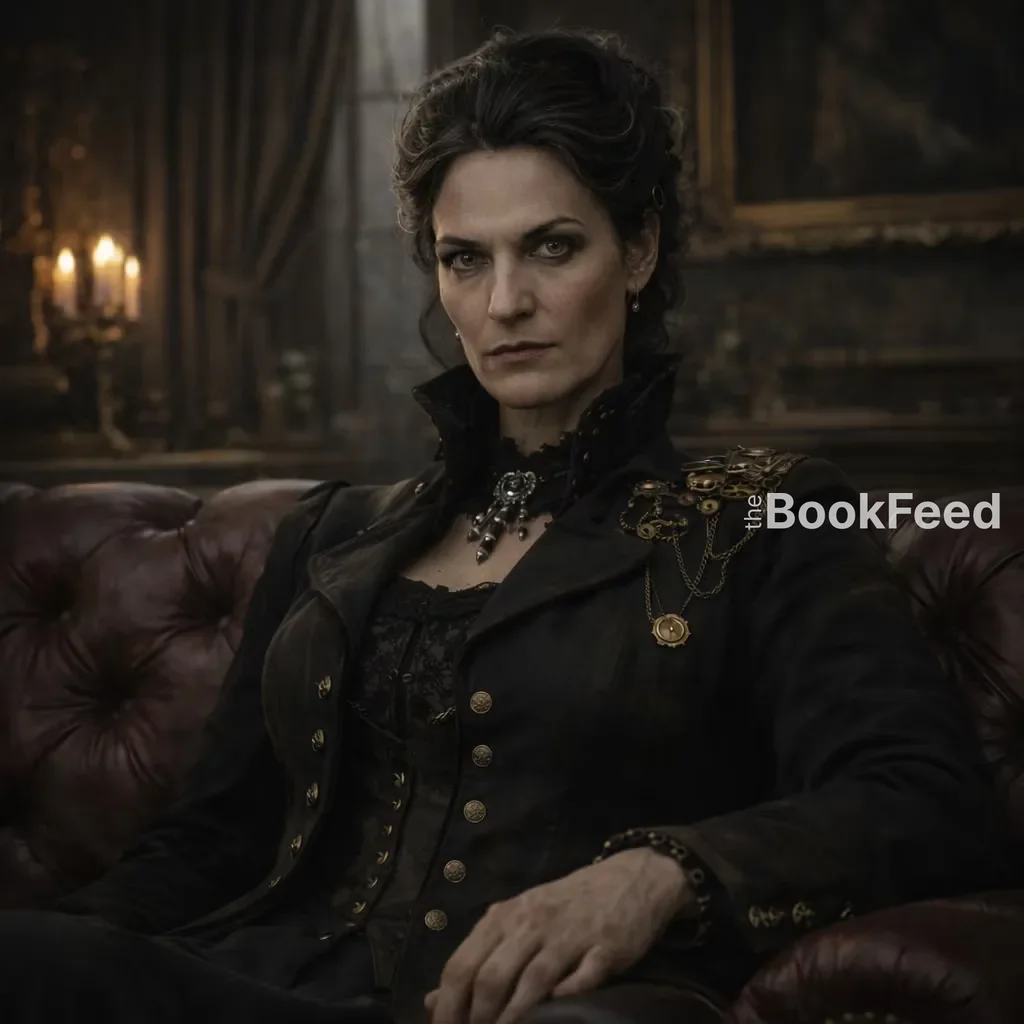 | Rhea Bayard | Unknown | Tall with sharp, raven-like features and deep-set green eyes | Wife of Titus Bayard and mother to Lila and Soren Bayard. |
 | Erik Lancaster | Unknown | Young man with wheat-coloured hair and a square face | Aspirant alchemist under Morrough. Lover of Aurelia Ferron. |
 | Enid Ferron | 18 | Very curly dark brown hair; hazel-grey eyes. | Kaine Ferron’s and Helena Marino’s daugther; named after Kaine Ferron’s mother |
The World of Alchemised
Alchemised is set on a fractured Northern continent where alchemy, religion, and industrial power determine the balance of authority. At the heart of the story is Paladia, a wealthy and technologically advanced city-state built on lumithium, resonance, and strict religious rule. For centuries, Paladia was governed by the Holdfast Principate and the Order of the Eternal Flame, whose authority rested on the belief that resonance was a divine gift to be controlled, not expanded.
That order collapses when political pressure from the alchemical guilds erupts into rebellion. As the Principate weakens, a new force rises from within Paladia itself: the High Necromancer and his Undying, who reject divine law in favor of necromantic science and immortality. The war that follows fractures the city-state internally and destabilizes the surrounding region, drawing the attention of neighboring powers with their own interests in Paladia’s fate.
Amid this conflict stands the Alchemy Institute, Paladia’s premier center of alchemical education and innovation. Once a symbol of progress tightly bound by religious oversight, it becomes both a strategic stronghold and a battleground, shaping the future of Paladia and the course of the war.
| Image | Location | Description |
|---|---|---|
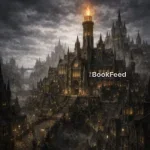
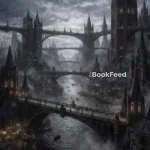
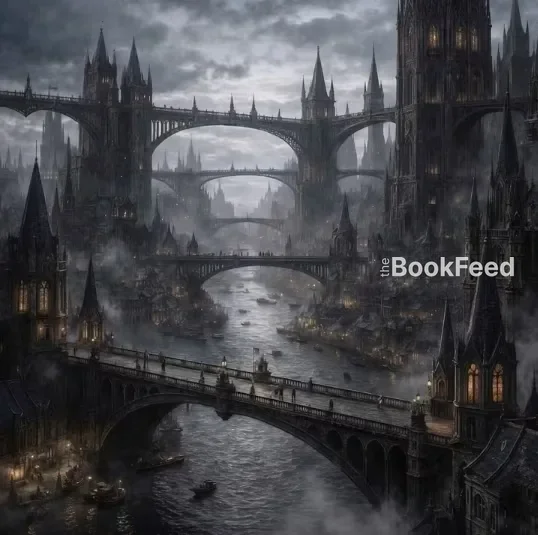 | Paladia | The world of Alchemised centers on Paladia, a vertical city-state built across two islands and the surrounding mainland at the base of the Novis Mountains. Its skyline climbs through towers and skybridges, while its lower levels fester in darkness and disease. Paladia’s power is sustained by lumithium mining, industrial alchemy, and the Institute, making it the economic and scientific heart of the continent. |
 | Novis | Novis lies east of Paladia across the river valley. A hereditary monarchy with longstanding ties to the Holdfasts, Novis maintains an agrarian economy and traditional religious observances. Though historically aligned with Paladia, its support wanes as the war escalates. |
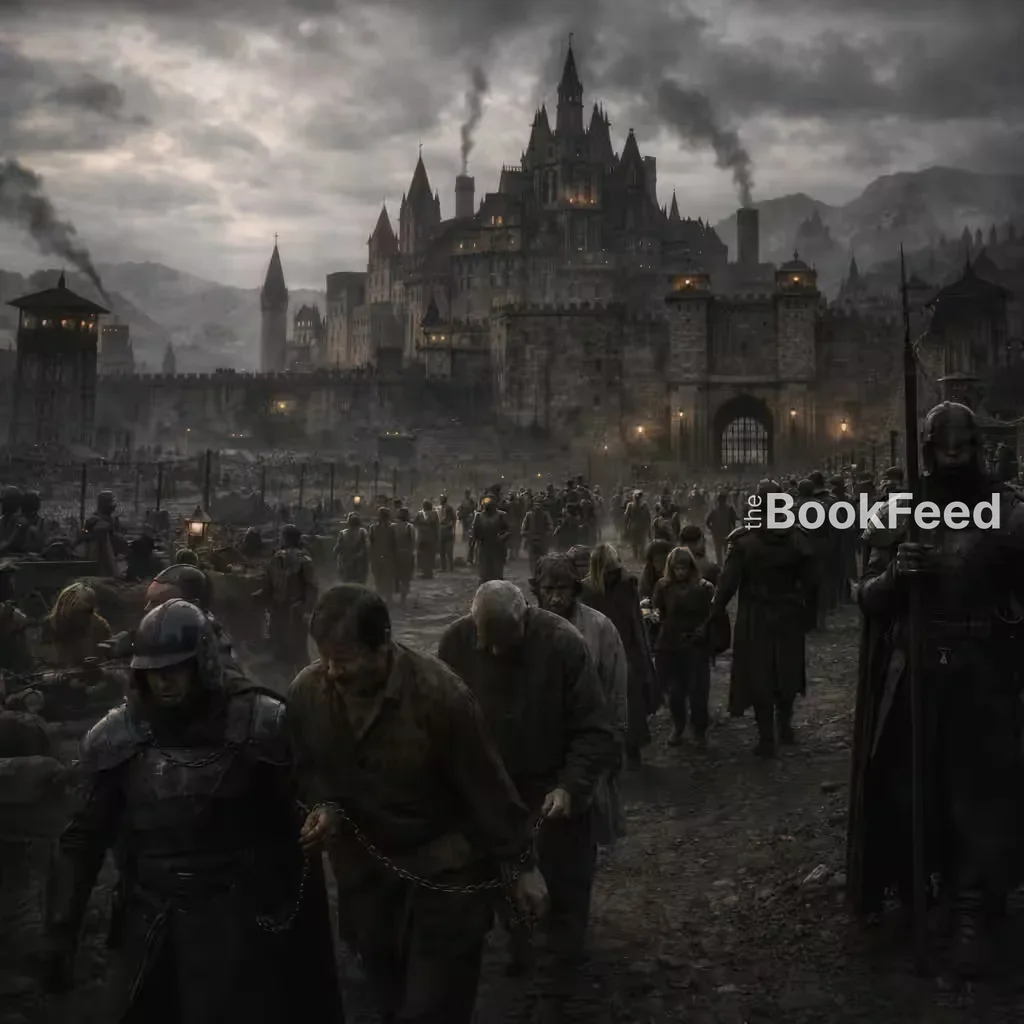 | Hevgoss | To the west of Paladia is Hevgoss, a heavily militarized state known for its vast prison system and expansionist interventions. Its economy and military rely on generational incarceration and forced labor, making it a destabilizing presence in the region. |
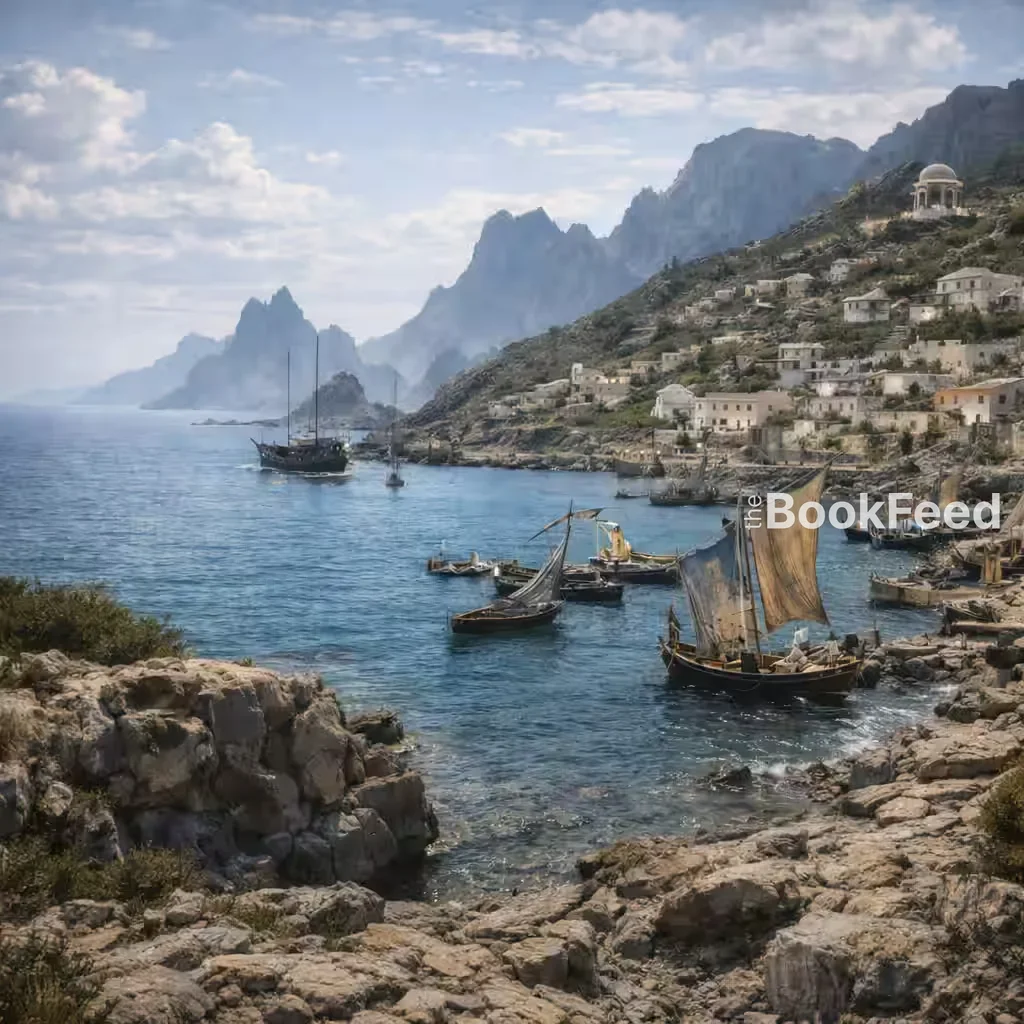 | Etras | Etras is a southern island culture with little natural metal and rare resonance. Its society is shaped by the sea and a mythology that diverges sharply from Paladian doctrine, particularly in its reverence for Luna over Lumithia. |
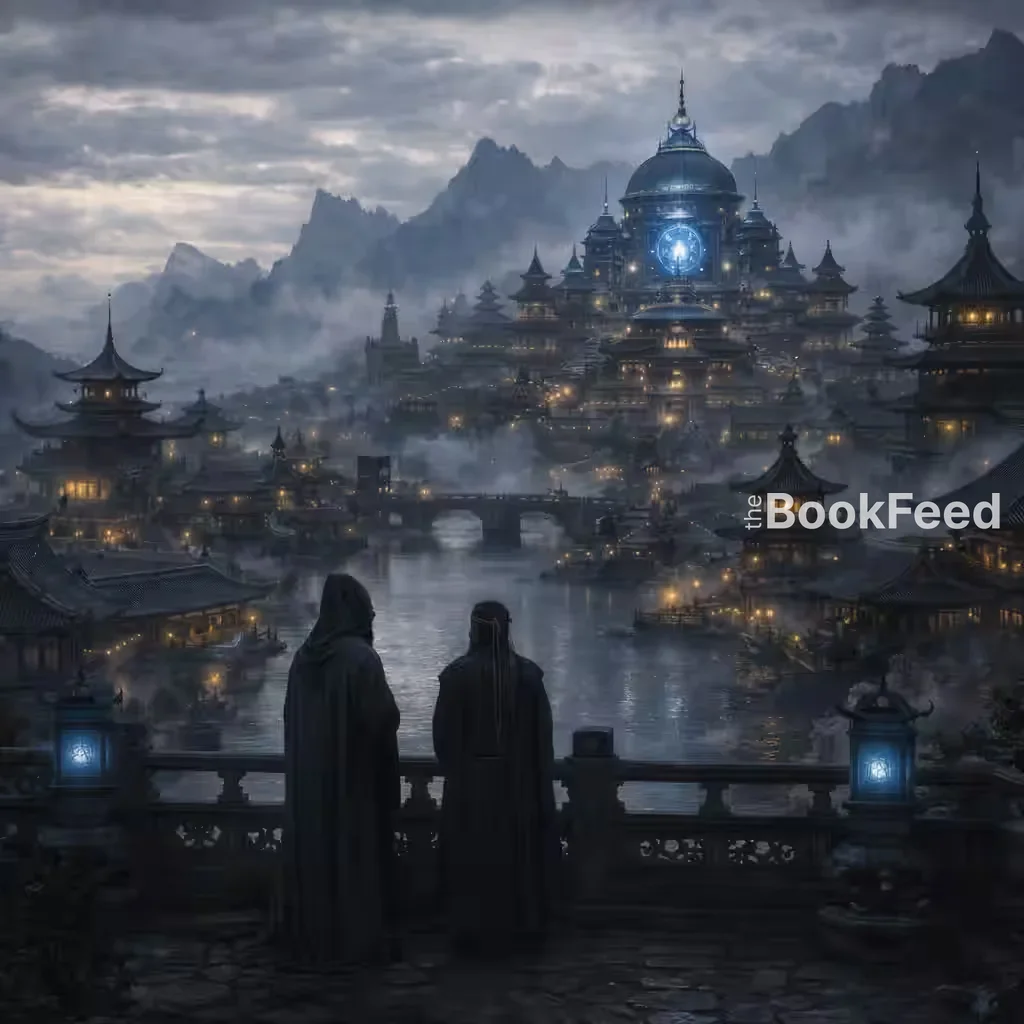 | The Eastern Empire | The Eastern Empire is an isolated power that closely guards its alchemical knowledge. For centuries, it barred Paladian entry, only reopening limited contact in the aftermath of the war. |
Magic in Alchemised
Magic in Alchemised is not a spell-based system but a material science governed by rules, limits, and cost. All alchemy is powered by resonance, a natural energy that exists within people and matter. Some individuals are born able to sense and manipulate it, while others are not.
Resonance is closely tied to lumithium, a rare metal that binds the classical elements and generates alchemical energy. Regions rich in lumithium produce more alchemists, shaping Paladia’s industry, class structure, and politics. However, resonance is finite, uneven, and constrained by an individual’s repertoire—the specific materials and transformations their power responds to naturally.
Alchemy is broadly divided into inorganic alchemy, vivimancy, necromancy, and animancy. The further magic moves from metal to flesh to mind, the higher the cost becomes. Healing consumes life energy. Necromancy animates bodies without restoring life. Animancy risks the self itself.
Magic in Alchemised is powerful, regulated, and never free—every use leaves something behind.
Guilds, Industry, and Power in Alchemised
The guilds transformed alchemy into an economy, economy into power, and power into governance. Their conflict with the Eternal Flame was inevitable in a world where magic obeyed material rules and progress punished stagnation. Morrough did not create the fracture — he exploited it.
While resonance and alchemy define what is possible in Paladia, it is the guild system that determines who is allowed to wield power. The guilds are not merely professional associations; they are economic dynasties whose control over alchemy reshaped Paladia’s class structure, governance, and ultimately ignited the war.
Understanding the guilds is essential to understanding why divine authority failed — and why necromancy was able to rise.
The Guild System: Alchemy as a Controlled Profession
Guilds exist to regulate alchemy as labor, not as gift or calling. Their power rests on three interlocking controls:
- Access to lumithium processing
- Control over certification
- Hereditary succession
Alchemy in Paladia cannot be practiced professionally without certification from the Alchemy Institute, an institution that has operated at maximum capacity for decades. This bottleneck is not accidental. Limiting the number of certified alchemists:
- increases the economic value of guild credentials
- ensures a permanent class of uncertified laborers
- prevents upward mobility based on raw aptitude
Those without certification may still possess resonance, but they are barred from independent practice and must work under credentialed supervisors, often for low wages in dangerous factory conditions. The result is a rigid hierarchy where resonance alone is never enough.
Inheritance Over Merit
Guild families treat resonance as both inheritance and entitlement. While repertoire can vary and resonance may appear unpredictably, guilds expect their heirs to enter the Institute regardless of comparative ability. This contradiction — claiming alchemy is a natural gift while enforcing artificial scarcity — fuels constant resentment:
- among uncertified alchemists
- among laborers working with dangerous materials
- among non-guild families whose children show exceptional aptitude
Every attempt to reform the system collapses under competing interests. Even decades of effort by Principate Helios ended in riots and labor strikes, revealing that the system benefited too many people at the top to change peacefully.
The Ferron Guild: From Base Metal to Industrial Power
The rise of the Ferron Guild is the clearest example of how alchemy destabilized traditional hierarchies. Iron, the Ferrons’ specialty, was long regarded as a lowly and ignoble metal:
- highly prone to corrosion
- symbolically inferior to silver, gold, and lumithium
- associated with common labor rather than divine or military prestige
For generations, Ferron alchemists were blacksmiths and toolmakers, producing ploughs and farm equipment while other guilds forged sacred weapons for the Eternal Flame. That changed when the Ferrons developed efficient alchemical steel manufacturing. Through extraordinary precision in iron resonance, they achieved:
- consistent quality at an industrial scale
- mass production unmatched by other guilds
- transformation of iron from base material into the backbone of modern infrastructure
Factories, railway lines, motorcars, and even Paladia’s vertical architecture were built on Ferron steel. The modern world rose not on divine fire or holy gold, but on iron. In doing so, the Ferrons created a new class of wealth — not aristocratic, not divine, but industrial.
Alchemised — Timeline Events
Part I: After the War (The Present)
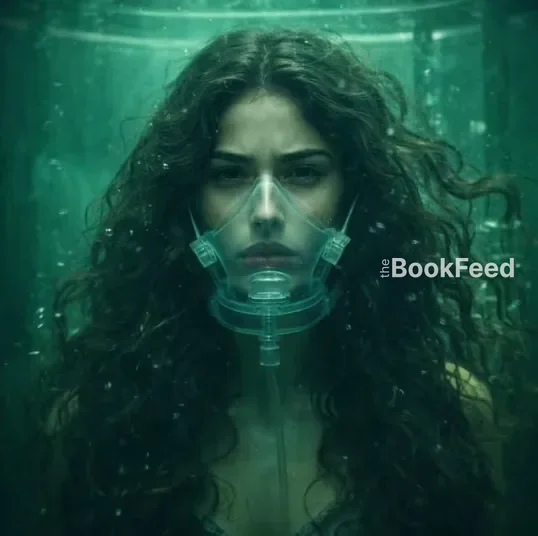
Awakening in Captivity
Following the war’s end, Helena Marino awakens in captivity with no memory of the final year of the conflict. She is classified as a war criminal, her resonance suppressed, and her identity partially erased from official records.

Transfer to the High Reeve
Helena is removed from stasis and delivered to the household of the High Reeve of the Undying. She discovers that the High Reeve is Kaine Ferron, whom she knew before and during the war.
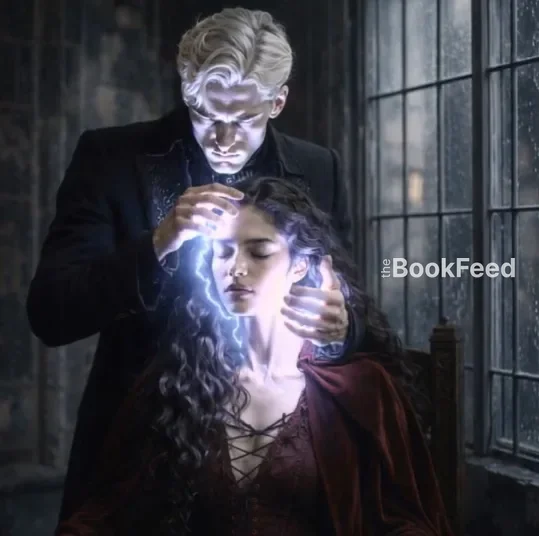
The Breeding Program
Helena is selected as part of Morrough’s post-war program to forcibly produce new alchemists. Surviving female captives with resonance are designated for reproduction to increase the Undying’s power.

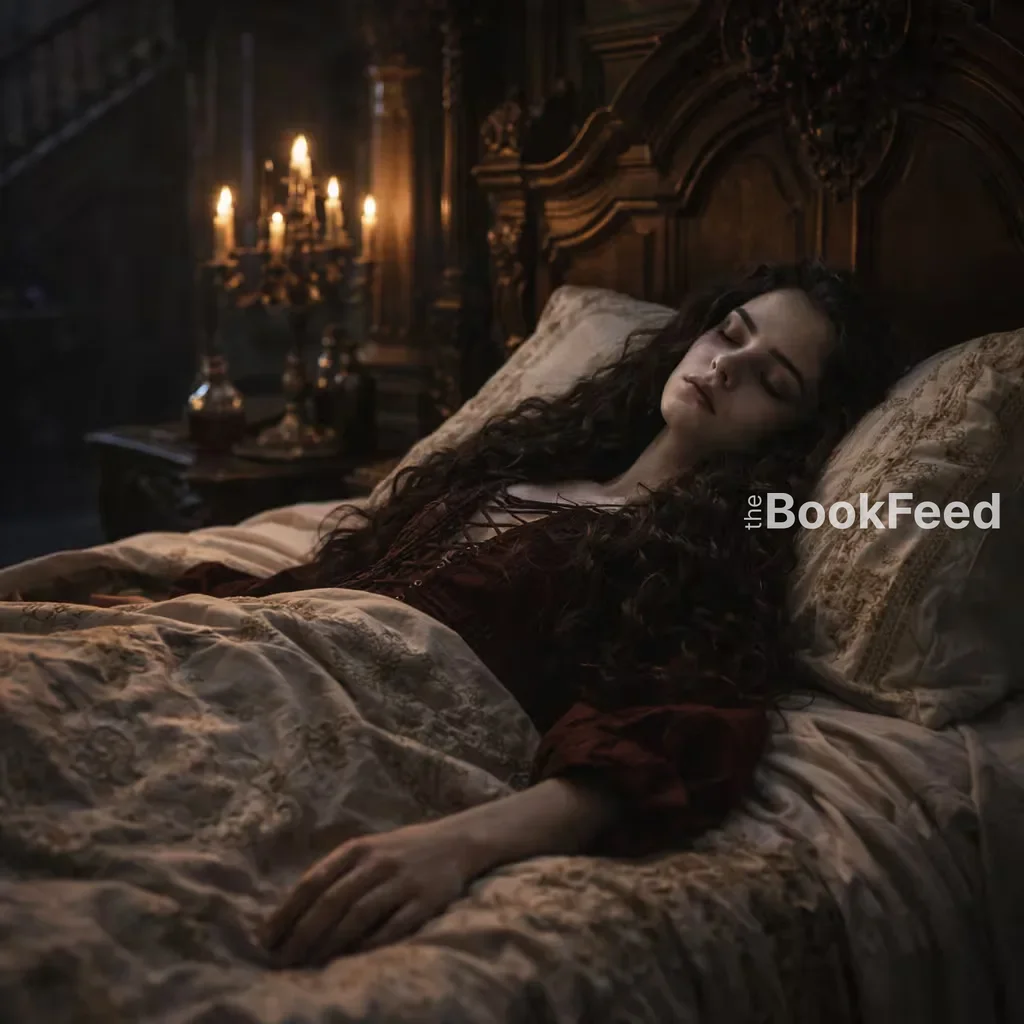
Pregnancy
As a result of the breeding program, Helena becomes pregnant. The pregnancy alters the effects of the memory suppression placed on her, accelerating the return of her erased memories and destabilizing Morrough’s control over the situation.
Part II: The War (Recovered Memories)
Principate Rule and the Rise of the Undying
Prior to the war’s end, Paladia is ruled by the Holdfast Principate and the Order of the Eternal Flame, while the Undying rise under the High Necromancer through necromantic science and promises of immortality.
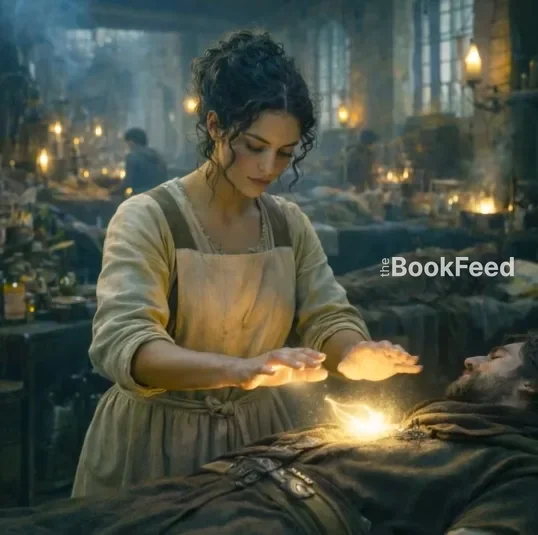
Helena’s Role in the War
Helena serves as a vivimancer assigned to protect Luc Holdfast, whose survival is considered essential to the war effort.
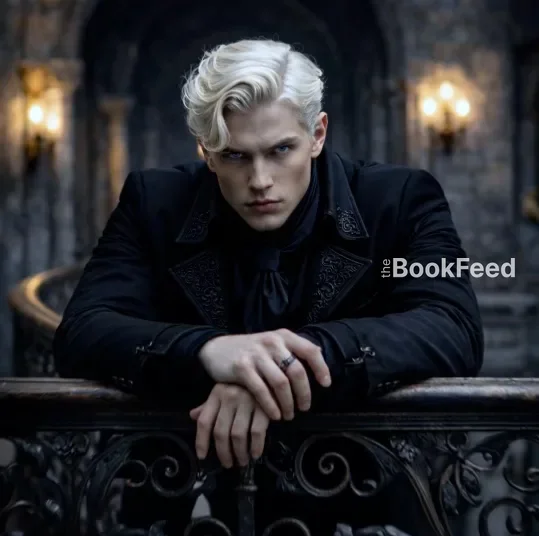
Kaine Ferron’s Defection
Kaine Ferron, heir to the Ferron iron guild, secretly defects from the Undying and becomes a spy for the Eternal Flame, using Helena as his assigned liaison.
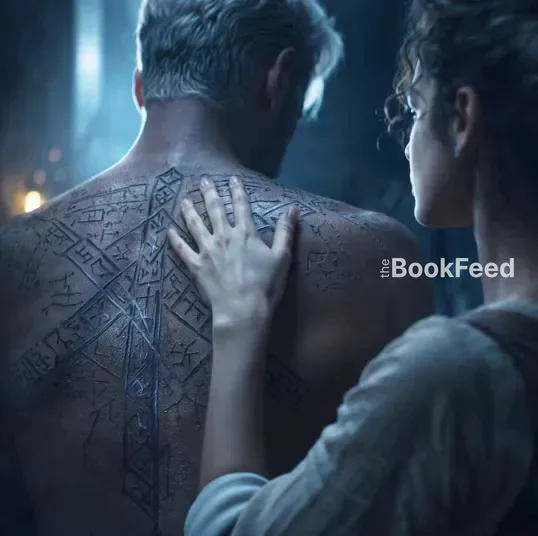
Intelligence, Missions, and Alliance
Over the course of the war, Helena and Kaine exchange intelligence, survive repeated missions, and develop a personal relationship while navigating suspicion from both sides.
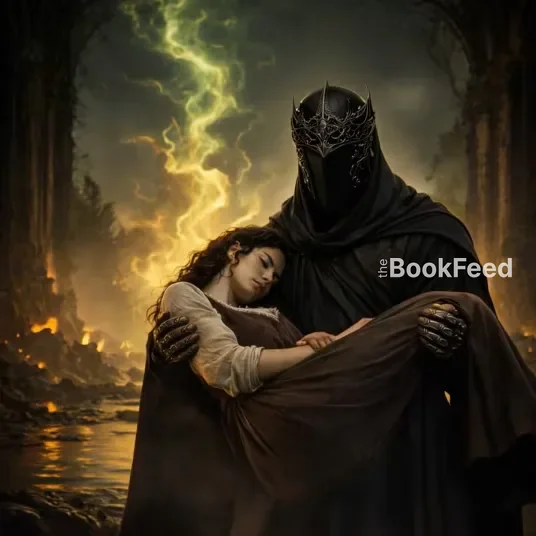
Exposure and Capture
As the war nears its conclusion, Kaine’s cover is exposed during a rescue operation, and Helena is captured while attempting to protect him and conceal his betrayal.
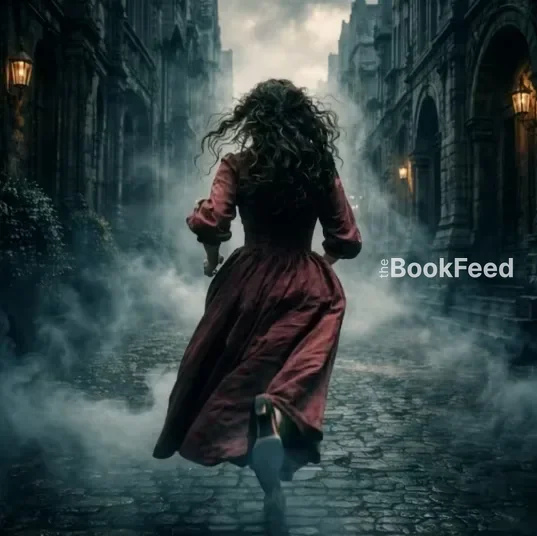
Memory Erasure
Helena deliberately alters her own memories to erase Kaine’s identity, ensuring he cannot be discovered under interrogation.
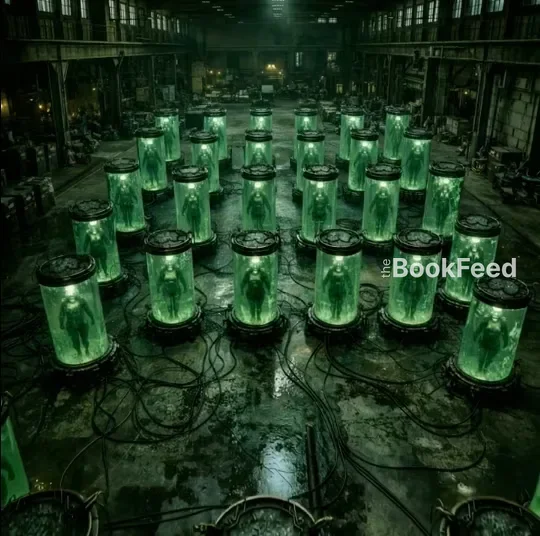
Stasis and Disappearance
She is placed in stasis, unrecorded, and effectively lost after the war’s end.
Part III: Return to the Present
Memories Restored
Helena’s pregnancy heals her memories, meaning, their time is up. Kaine has no choice but to get her to a safe location. Kaine makes plans for Helena’s departure, but because he still has a piece of Morrough’s bone in his arm, he won’t be able to leave with her. Morrough will look for him, and since he’s tied to Morrough, he can always be found.
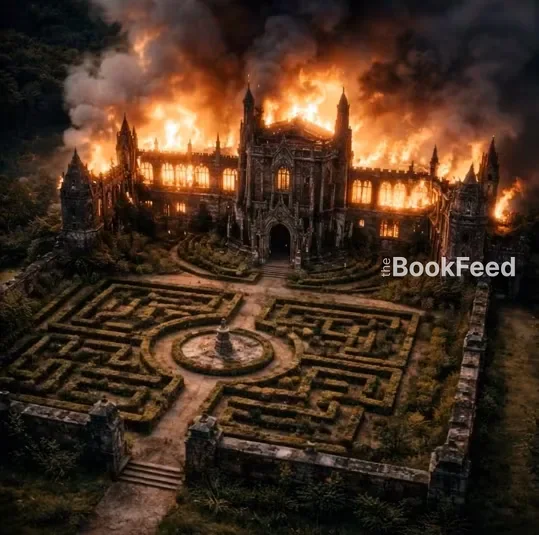
Breaking the Bond
Helena finds a way to split Kaine from Morrough, but it will take the sacrifice of a willing soul. Kaine has given up hope that he and Helena will have a life together after the war, but Helena is able to convince Kaine’s father, Atreus Ferron, to sacrifice his soul for his son. Morrough is weakened to the point of no return and eventually killed.

Escape and Survival
Kaine and Helena escape, reuniting with Lila and her son, Apollo. Helena forgives Kaine for the things he did during the war, but Kaine has a hard time accepting that she can still love him after everything. Their road to recovery is never-ending. They forgive and accept one another, but their bodies and minds are forever altered by the sacrifices they made to win the war.
Life in Hiding
Kaine and Helena are forced to raise their daughter, Enid, in isolation. They both did terrible things during the war, and if they were ever found out, they would be hunted down and killed.
Legacy
When Enid is grown, she is accepted to the Institute, the same school her parents went to. She goes, but the success is bittersweet, because she knows about the heavy sacrifices that were made so she’d have the right to learn, and she’s devastated that no one else does.
The Conflict and the Fall of Paladia
The war in Alchemised did not begin as a religious crusade or a foreign invasion, but as a political and ideological fracture within Paladia itself. For centuries, the Holdfast Principate and the Order of the Eternal Flame justified their rule through divine authority: holy fire, gold alchemy, and the belief that resonance was a sacred gift meant to be restrained. Once, those miracles had been enough to secure Paladia’s dominance.
But the world changed. Industrial alchemy spread, guild wealth exploded, and technological innovation began to outpace religious authority. The Ferron guild transformed iron—long considered a base metal—into the backbone of modern infrastructure, while other nations closed the gap Paladia had once monopolized. The guilds increasingly viewed the Principate as obsolete: rich in symbolism, poor in adaptability.
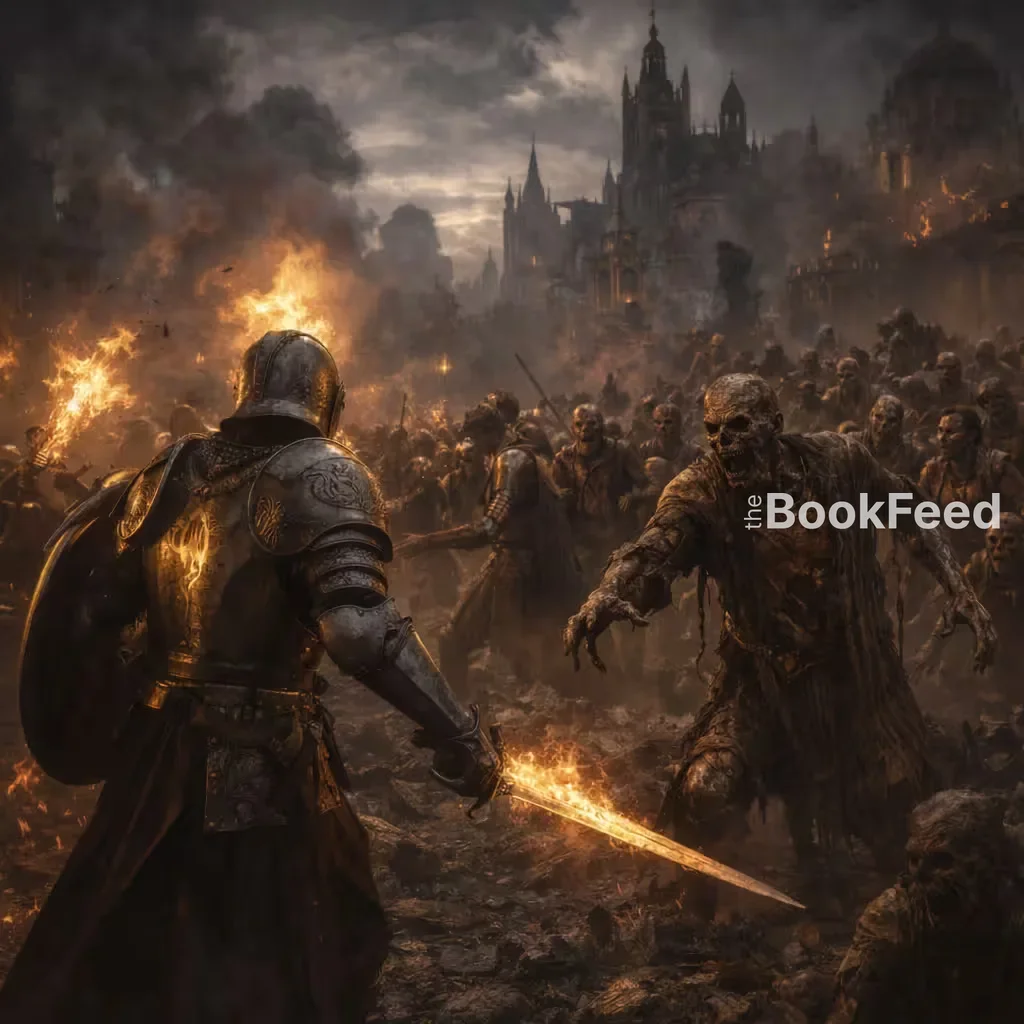
Tensions came to a head when the guilds formally proposed stripping the Principate of political power, leaving it in control of religious affairs only. When Principate Apollo Holdfast was murdered, the guilds treated his death not as a tragedy but as an opportunity. Citing Luc Holdfast’s youth, they declared a reformation and established the Guild Assembly, arguing that Paladia should be governed by industry and expertise rather than faith and lineage.
This attempted coup might have been crushed by the Order of the Eternal Flame—if not for Morrough. Appearing amid the unrest, Morrough offered the guilds something neither faith nor industry could rival: true immortality, achieved through necromantic science rather than divine blessing. When the Eternal Flame moved to restore order, Morrough revealed the full extent of his power. The Undying did not rely on recruitment alone; they killed Paladian soldiers and reanimated them, turning the Eternal Flame’s dead into weapons against their former allies.
Luc Holdfast believed the citizens of Paladia would recoil once they realized necromancy lay at the heart of the rebellion. Necromancy had been a mortal crime across the continent for centuries. Even the guilds, he believed, would not cross that line. He was wrong. Faced with the promise of power, longevity, and survival, Paladia chose progress over taboo—and the civil conflict became a war that reshaped the city-state forever.
Religion and the Sacred Faith in Alchemised
The Sacred Faith is Paladia’s dominant religion and the ideological authority that governed how resonance and alchemy were understood before the war. It taught that resonance was Sol’s will, not a sign of moral superiority, and that all humans—resonant or not—were inherently flawed and required purification.
According to the Faith, resonance was a divine gift meant to elevate humanity only when used in accordance with Sol’s natural laws. Transmutation of metals and limited healing were permitted, while vivimancy beyond healing and all necromancy were condemned as corruptions of resonance caused by rebellious or “defective” souls.
Central to the Faith’s doctrine was the belief that body and soul remained tethered after death until cremation. Sacred fire was required to release the soul and allow it to ascend. Reanimation was therefore considered a fate worse than death, trapping the soul and risking eternal corruption unless freed by fire. This belief underpinned the Faith’s absolute horror at necromancy and the Undying.
Healing occupied a contradictory position. To heal mortal wounds required vitality, known as the Toll—a literal expenditure of life. The Faith permitted healing because it consumed the healer, framing slow self-destruction in service of others as a purifying act.
As alchemical science advanced, the Faith resisted discoveries that challenged doctrine, insisting on fixed celestial hierarchies and suppressing knowledge that contradicted belief. Its refusal to adapt left it increasingly irrelevant in a world governed by material truth, paving the way for both the guild uprising and the rise of necromancy.
