








| Type | Estate |
|---|---|
| Head | Atreus Ferron |
Contents
Location
Spirefell is located within Paladia, set apart from the dense urban core. Unlike most later construction in the city, the estate exists as a single, freestanding structure rather than part of a vertical complex.
Description
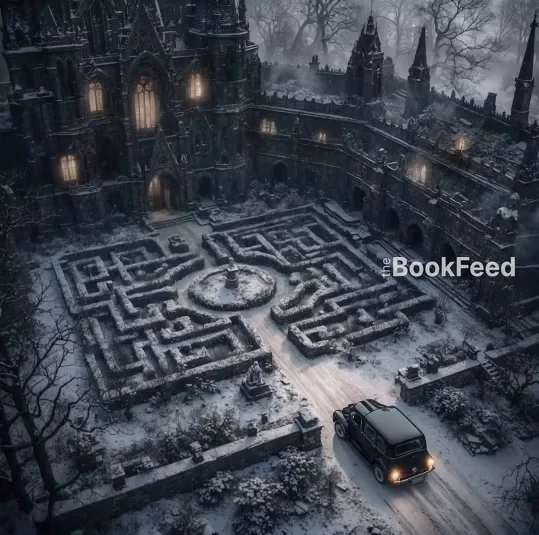
Spirefell was built of iron by Urius Ferron as a deliberate celebration of the family’s resonance, wealth, and status. The estate is vast and cavernous, marked by shadowed halls, ornate stairways, filigreed metalwork, and weak electric lighting that barely penetrates the interior gloom. Its size suggests old power and inherited prestige, but its atmosphere is cold, stale, and oppressive.
The interior is dominated by iron, stone, and carefully controlled light. A distorted black mosaic is set into the marble floor of the foyer, while high windows appear positioned to illuminate specific parts of the house and leave others in darkness. Despite its grandeur, Spirefell feels deteriorated and untended, as if the estate itself has become a relic of the Ferron family’s violent legacy.
Spirefell also appears to have unusual alchemical properties. Its wrought-iron features can shift and move, making the house feel almost sentient. Rather than serving only as a residence, the estate functions as a place of confinement, interrogation, and hidden alchemical work.
The estate includes extensive grounds, including formal gardens and a large hedge maze visible from the upper rooms.
Due to its iron construction and unique alchemical properties, Spirefell functions as a secure holding site for dangerous prisoners.
Notable Areas Within Spirefell
Spirefell contains several important rooms and spaces that reveal both the Ferron family’s power and the darker purpose of the estate. Its layout is grand and imposing, but many of its most significant areas feel more like containment spaces than ordinary rooms.
The Foyer
The foyer is one of the first major areas Helena sees inside Spirefell. It is vast, shadowed, and dominated by ornate stairways, multiple landings, dark corridors, and metal filigree. Weak electric sconces barely cut through the gloom, giving the entrance hall an oppressive, almost deadened atmosphere.
At the centre of the foyer stands a table surrounded by a distorted black mosaic set into the marble floor. The high windows appear designed to direct light toward this central space, making the room feel deliberately staged rather than welcoming.
Helena’s Room
Helena is kept in a large but controlled room inside Spirefell. The room contains a canopied bed, long windows, a wing-backed chair, an ornate table, a wardrobe, and a heavy rug. It is clean and freshly aired, but its comfort is deceptive.
The windows are locked and latticed with wrought iron, while the room itself can be accessed through a concealed iron mechanism in the floor. Although Helena’s room appears more livable than other parts of the estate, it still functions as a prison. Its design prevents escape and reinforces how completely Spirefell controls the people inside it.
The Drawing Room
The drawing room is one of Spirefell’s most disturbing spaces. Its windows are boarded over, the air carries traces of dust, metal, and organic decay, and the room feels heavier than the rest of the house. Helena recognises the metallic ozone scent as the residue of intense alchemical use.
Inside the room is a narrow iron cage welded into the floor. It is too small for comfort and appears designed to hold a prisoner in a cramped position. Unlike much of Spirefell’s ironwork, the cage seems to have been made manually rather than through alchemy, making it inert and resistant to ordinary transmutation.
The Alchemical Array
The drawing room also contains the largest alchemical array Helena has ever seen. The array is carved into the floor and differs from the traditional celestial eight-point and elemental five-point structures. Instead, it contains nine smaller arrays that form a nine-point design, all channelling toward concentric circles at the centre.
The array is not suited to ordinary ironwork, and its symbols do not match the patterns Helena associates with forge arrays. Its complexity suggests that Spirefell was used for highly specialised and dangerous alchemical work, tying the estate directly to the Ferron family’s hidden practices.
The Grounds
Spirefell is surrounded by extensive grounds, including formal gardens and a large hedge maze visible from the upper rooms. These outdoor spaces add to the estate’s old-world grandeur, but they also reinforce its isolation. Spirefell is not simply a family mansion; it is a self-contained seat of power, separated from the city around it.
Relevance
Spirefell stands as a symbol of the Ferron family’s long-standing influence, inherited pride, and dangerous relationship with alchemy. Built to display wealth and power, the estate’s grandeur is undercut by decay, darkness, and menace.
After the war, Helena Marino is brought to Spirefell to be interrogated by Kaine Ferron, who at the time serves as High Reeve. The estate becomes the setting for Helena’s captivity and for the early conflict between Helena and Kaine, establishing their mistrust and unequal power dynamic.
Spirefell also reveals that the Ferron family’s legacy is more complicated than status alone. The hidden rooms, iron cage, shifting architecture, and enormous alchemical array suggest that the estate was used for secretive and potentially brutal alchemical work. Its living, hostile quality reflects the corruption and violence woven into the Ferron family’s history.
