

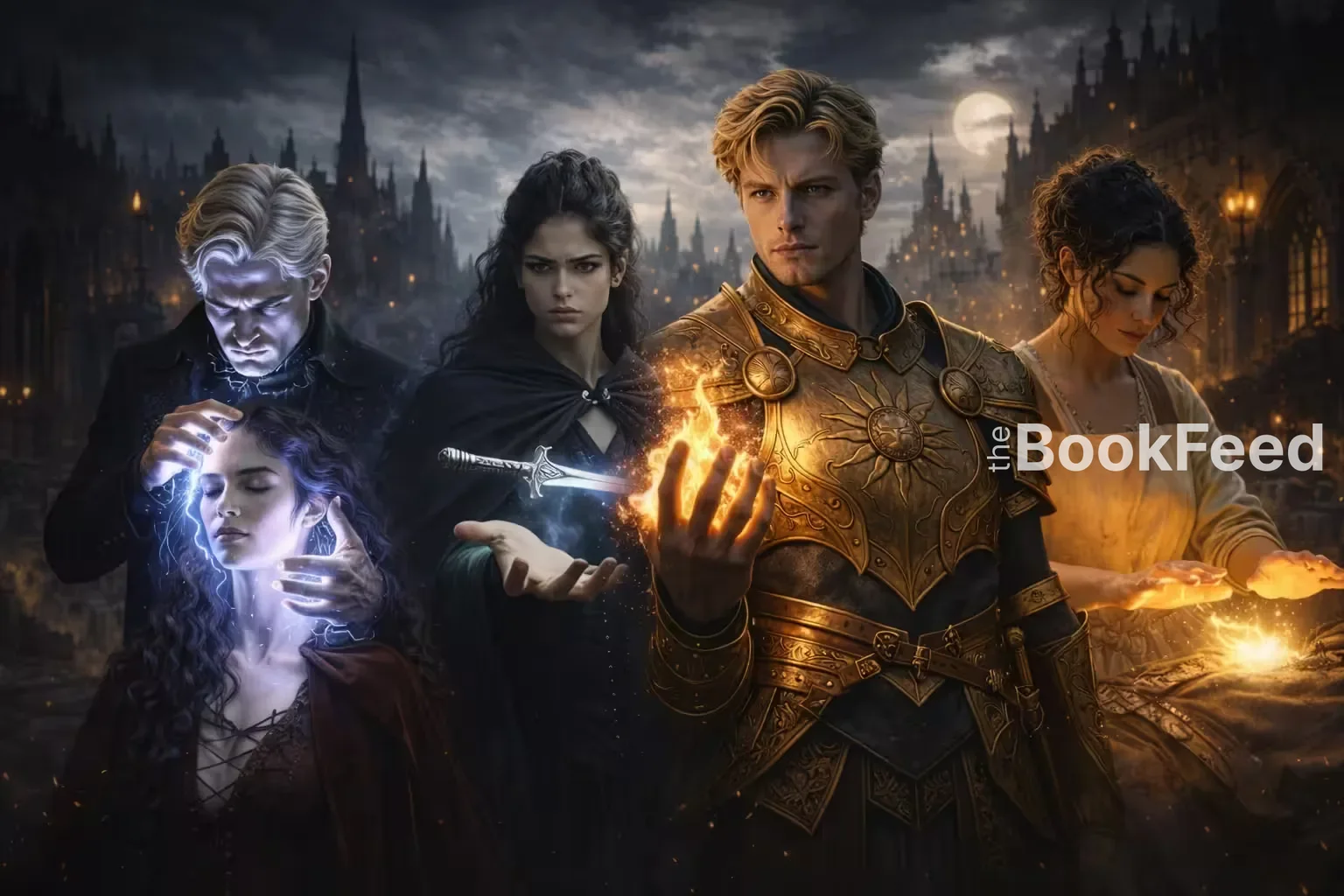
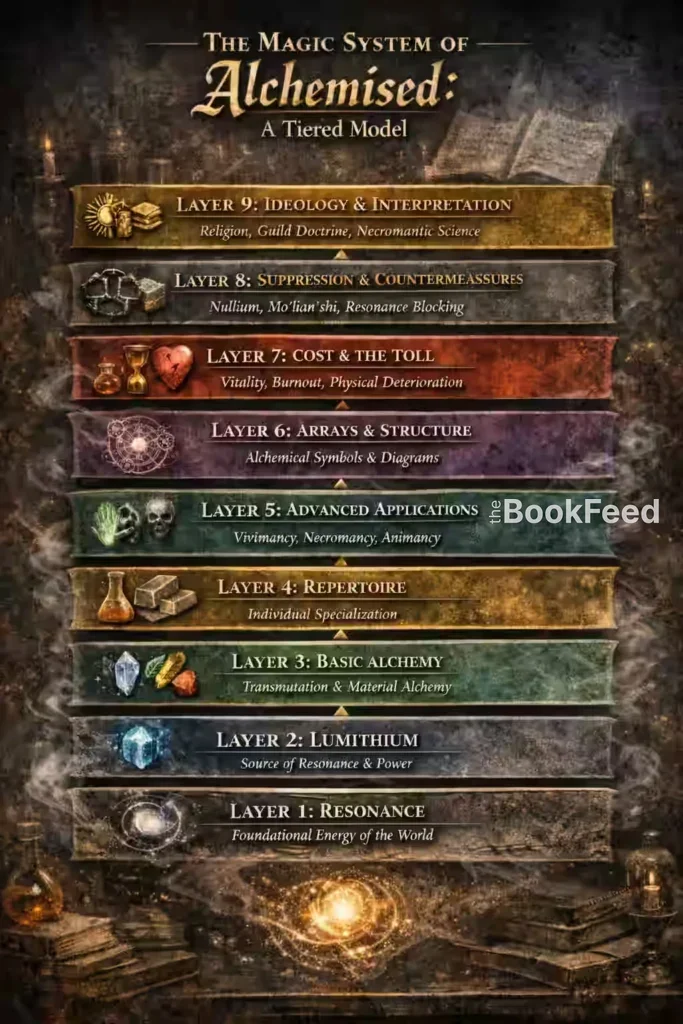
The Magic System in Alchemised is a closed, coherent system governed by energy, material, and cost. Resonance enables alchemy. Lumithium explains its existence. Repertoire limits its expression. The further alchemy moves from metal to flesh to mind, the higher the price becomes.
Contents
The magic system in Alchemised is deliberately complex, grounded, and morally fraught. Rather than treating magic as an abstract force or a collection of spells, the novel presents it as a natural phenomenon governed by material rules, physical limits, and devastating consequences. Much of the confusion readers experience comes from the fact that the same underlying force—resonance—is interpreted differently by religion, industry, and science, and applied to radically different ends.
- Magic is powered by resonance, a measurable energy
- Lumithium enables resonance
- Every alchemist has a natural repertoire that limits which forms of alchemy they can perform
- Religious, industrial, and necromantic factions interpret the same magic in radically different ways
What is Resonance?
At the core of all magic in Alchemised is resonance, a naturally occurring energy that exists within people, materials, and the world itself. Resonance is not inherently mystical or moral; it is a property of reality, much like heat or electricity. Some individuals are born with the ability to sense and manipulate resonance directly, while others are not. Resonance is:
- measurable
- finite within individuals
- unevenly distributed across the population
- influenced by both heredity and environment
In Paladia, resonance is common enough to shape society. Before the war, nearly a fifth of the population possessed measurable resonance, a figure far higher than in most other regions. This uneven distribution is not random. Areas rich in lumithium deposits consistently produce higher numbers of resonant individuals, linking magic directly to geography, labor, and class.
Importantly, possessing resonance does not mean limitless power. Resonance is potential, not ability. What an individual can do with it depends on training, control, and something known as their repertoire.
What is Lumithium?
Lumithium is the most important material in the world of Alchemised. It is not simply a powerful metal; it is the physical mechanism through which resonance is generated.
By its nature, lumithium binds the four classical elements—air, water, earth, and fire—together. In that binding, resonance is created. This is why:
- resonance clusters around lumithium-rich regions
- exposure to lumithium can increase resonance
- inert materials exposed to lumithium can become alchemically responsive
Lumithium is both a catalyst and a danger. For individuals without resonance, prolonged exposure causes wasting sickness. For those with resonance, direct contact can trigger intense, raw pain within the nervous system, as if the body is being overloaded by the energy it already carries. This paradox shapes Paladian society. Lumithium must be mined by those without resonance, yet their children are often born resonant and therefore unable to continue the work. The result is constant population movement, imported labor, and extreme urban density. Magic is not just power in Alchemised, it is infrastructure.
What is the Resonance Repertoire?
Every resonant individual possesses a repertoire: the specific range of materials, transformations, and interactions their resonance responds to most naturally. Repertoire is inherent, comparable to physical traits such as eye color, though it can be refined through education and practice.
Repertoire does not determine how much resonance a person has, but what that resonance can meaningfully affect. While all alchemy draws on the same underlying energy, resonance does not express itself uniformly. Some individuals resonate most strongly with metals, others with heat or energy transfer, and others with living tissue or the mind.
Because of this, terms like metallurgist, pyromancer, or healer do not describe separate magical systems. They represent professional roles shaped by repertoire and training. A metallurgist is an alchemist whose resonance naturally aligns with metals; a pyromancer’s resonance expresses through heat and combustion; a vivimancer’s resonance couples most effectively to living tissue.
Magic of the Alchemised Characters
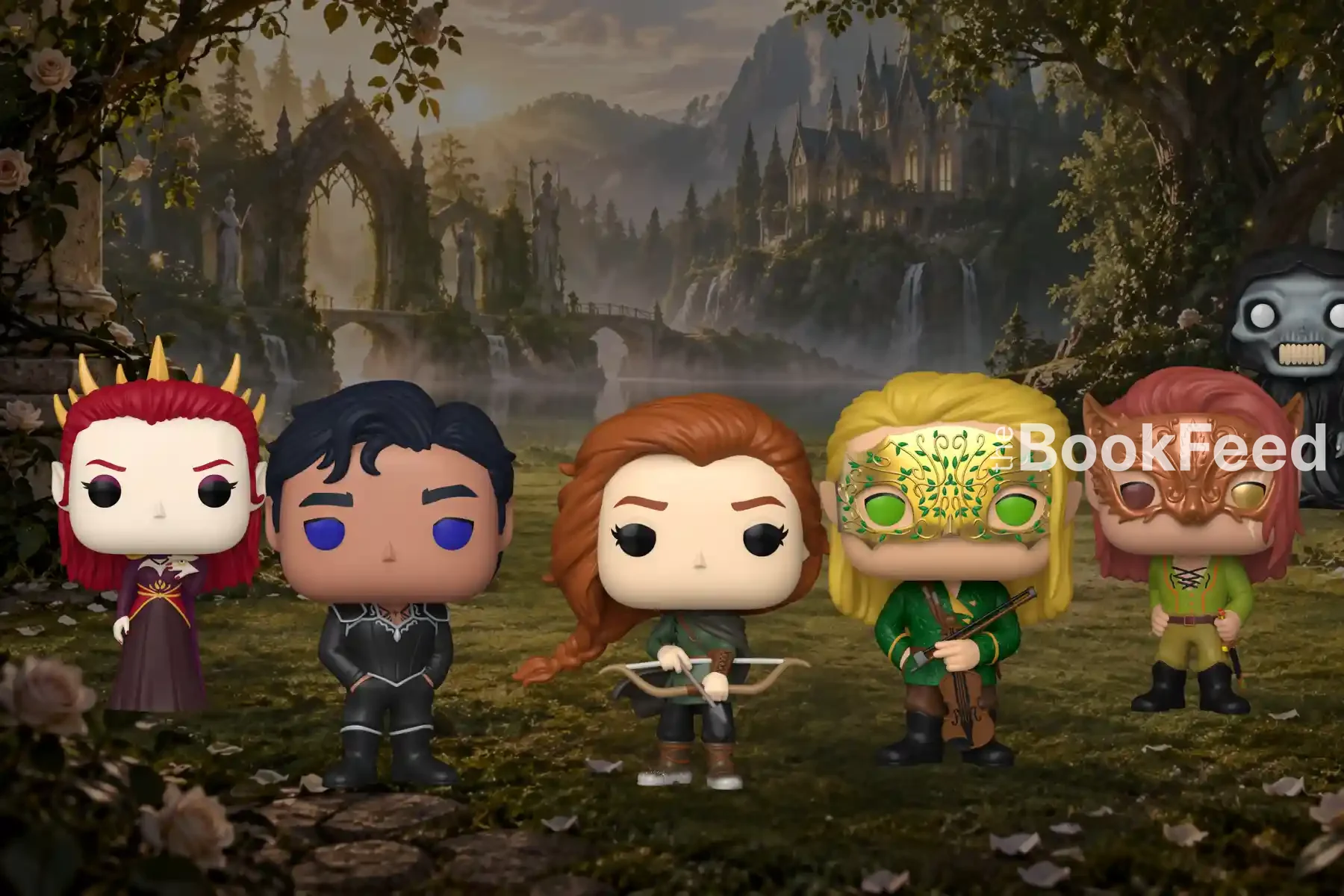
What Is Helena Marino’s Magic?
Helena Marino’s magic centers on vivimancy, a repertoire aligned with organic systems. Her resonance couples most naturally to living tissue, allowing her to heal injuries, stabilize failing bodies, and preserve life at the cost of her own vitality. In addition, she possesses limited animancy restricted to medical use, enabling her to stabilize consciousness and suppress traumatic memory formation in controlled circumstances. This animantic ability remains narrow, unstable, and dangerous, and it does not grant her broad authority over the mind.
What Is Kaine Ferron’s Magic?
Kaine Ferron’s magic combines inorganic alchemy and high-level animancy. His natural resonance aligns strongly with iron and structural manipulation, allowing him to reinforce, reshape, and weaponize metal with exceptional precision in both industrial and military contexts. In addition, Kaine is a powerful animancer, capable of exerting deliberate control over memory, consciousness, and mental resistance. Necromantic augmentation forcibly binds him to the Undying network, enhancing his endurance and resilience while compromising his autonomy and long-term physical integrity.
What Is Luc Holdfast’s Magic?
Luc Holdfast practices pyromancy, using resonance to ignite and control fire with precision rather than large-scale destructive force. In addition, he possesses latent animantic resonance that subtly influences emotional perception and group focus. This animancy remains untrained and largely unrecognized during his lifetime, as social stigma and misattribution obscure its nature.
What Is Lila Bayard’s Magic?
Lila Bayard practices combat alchemy, a repertoire optimized for frontline warfare rather than versatility. Her resonance amplifies kinetic force, weapons, and armor systems, allowing her to sustain close-quarters combat against necromantic and enhanced opponents. Unknown to most, she also possesses limited vivimantic ability, which she uses illegally and exclusively on herself to suppress injuries and conceal her pregnancy.
What Is Jan Crowther’s Magic?
Jan Crowther is a red-flame pyromancer, wielding resonance through controlled fire aligned with the Eternal Flame’s doctrine.
What Is Shiseo’s Magic?
Shiseo practices metallurgical alchemy, with training in chymiatria and laboratory-based material manipulation. His aptitude allows him to adapt quickly to Paladian techniques, making him a valuable assistant in experimental and applied healing contexts.
What Is Aurelia Ferron’s Magic?
Aurelia Ferron possesses rare iron transmutation, allowing her to manipulate iron structures directly. Within the Ferron house—constructed of pure iron—she can alter, move, and repurpose the building itself for defensive and offensive use. Her use of alchemical rings and a short staff indicates formal training in controlled transmutation.
1. What is Inorganic Alchemy?
The most socially accepted use of resonance is inorganic alchemy, often called transmutation or alchemisation. This involves manipulating metals, compounds, and non-living materials.
Examples include:
- reshaping iron and steel
- creating specialized alloys
- constructing infrastructure
- powering industrial processes
This form of alchemy is regulated, certified, and economically essential. It is the foundation of guild power and the reason alchemy is treated as a profession rather than heresy. Crucially, inorganic alchemy does not directly consume the alchemist’s life force, making it relatively sustainable.
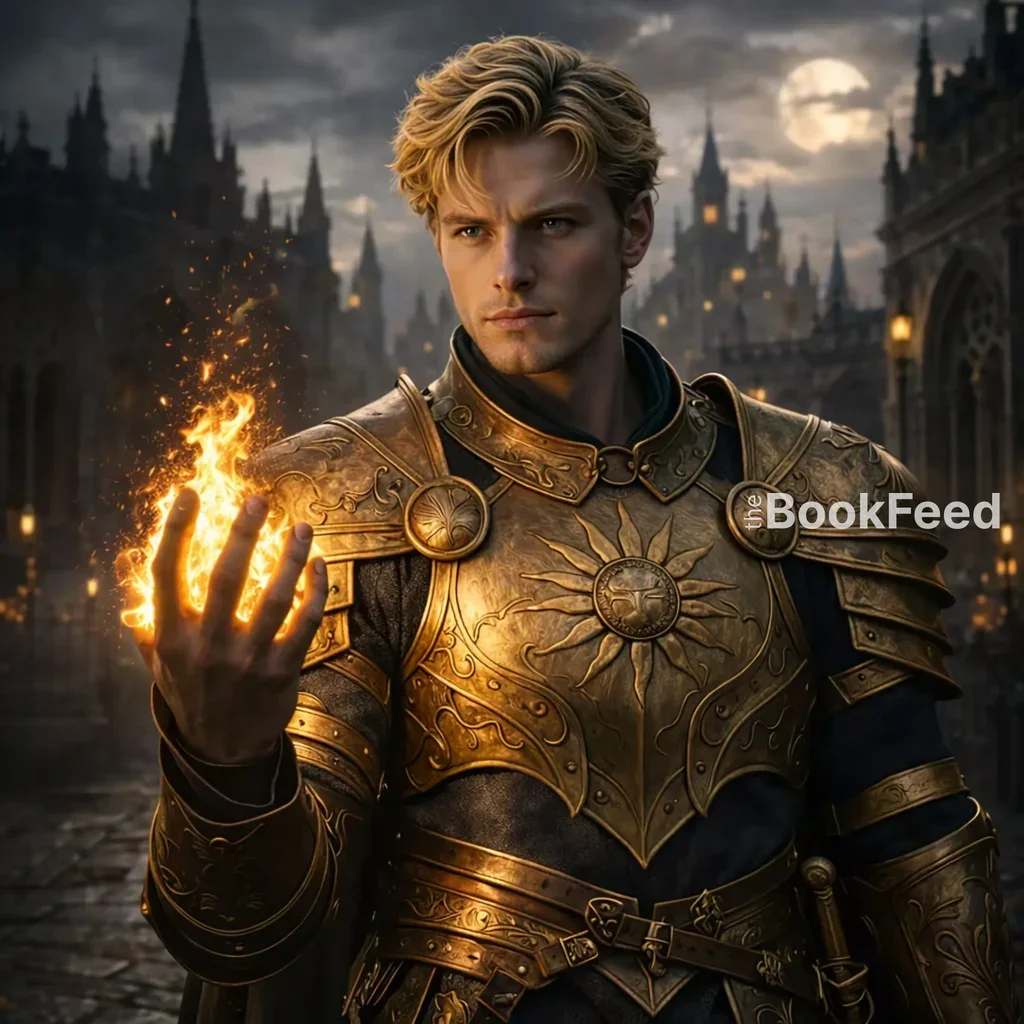
Pyromancy falls under inorganic alchemy, expressing resonance through heat and combustion rather than through living tissue.
2. What is Vivimancy?
Vivimancy is the application of resonance to living tissue. Healers diagnose and repair the body by pushing resonance directly into organic systems, accelerating recovery and restoring function. While most trained healers can practise vivimancy for decades without consequence, the discipline carries a fundamental limitation: it does not create life. It redistributes and expends it.
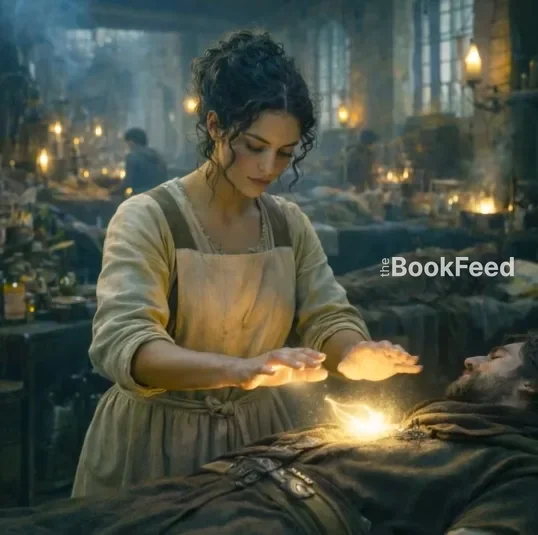
To heal injuries that should result in death, vivimancy exacts a price known as the Toll. Healing a mortal wound—or attempting reanimation—requires vitality: a condensed drop of life itself, drawn either from the practitioner or through external means. The greater the injury, the greater the cost. Repeated high-level use leads to physical degradation, exhaustion, and irreversible loss. Vivimancy does not grant life; it spends it.
This mechanical cost is why vivimancy is viewed with suspicion by the Sacred Faith. The same techniques that heal can also prolong suffering, reshape bodies unnaturally, or cross the boundary into necromancy. Healing carries the highest cost of all, which is why the Faith frames it as a purifying act and permits its use, while forbidding all other applications of vivimancy. The danger is not moral alone; it is systemic.
3. What is Necromancy: Undying, Liches, and Necrothralls
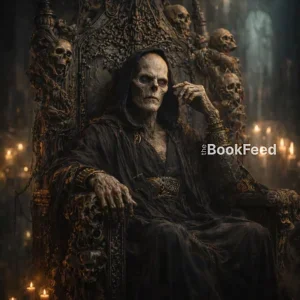
Necromancy applies resonance to dead organic matter, producing necrothralls and the Undying themselves. These beings do not return from death in the traditional sense; instead, alchemical seals, sustained vitality expenditure, and ongoing maintenance actively animate and preserve their bodies.
Necromancy exploits the same principles as vivimancy but pushes them beyond death. The result is movement without life, obedience without will. This is why necrothralls are used for labor, punishment, and warfare: they are resources, not citizens. The Undying represent necromancy taken to its logical extreme—immortality achieved by refusing to accept the toll that living bodies impose.
What are Necrothralls?
Necrothralls are reanimated corpses bound entirely by necromantic control. They retain no identity, memory, or autonomy. Resonance and sealed commands animate their bodies, which respond only to the will of the necromancer who controls them.
Necrothralls are commonly used for:
- manual and industrial labor
- public punishment and intimidation
- battlefield reinforcements
They require continuous maintenance and will eventually degrade, making them disposable by design.
What are Liches?
A lich is a step beyond a necrothrall: a necromancer who transfers their consciousness into a dead body. Unlike necrothralls, liches retain intellect, memory, and intent, but their bodies are no longer living. This results in the characteristic signs of decay, discoloration, and visible necromantic corruption. Liches are inherently unstable. Their bodies deteriorate over time, requiring constant intervention to prevent collapse. They are sustained, but never restored.
What are the Undying?
- the Undying do not rot
- their bodies regenerate rather than degrade
- their immortality is designed to be permanent
The Undying represent necromancy taken to its logical extreme. Rather than inhabiting decaying corpses, the Undying achieve immortality by circumventing the natural limits of living bodies altogether. Advanced necromantic alchemy transforms their bodies into stable vessels capable of sustaining consciousness indefinitely without aging or physical decay.
Unlike liches, they are not resurrected or animated; they deliberately transform themselves, abandoning death and divinity for engineered survival.
| Term | Distinctions |
|---|---|
| Necrothrall | animated corpse; no will, no identity |
| Lich | consciousness bound to a dead body; intelligent but decaying |
| Undying | immortal beings sustained by perfected necromantic alchemy |
4. What is Animancy?
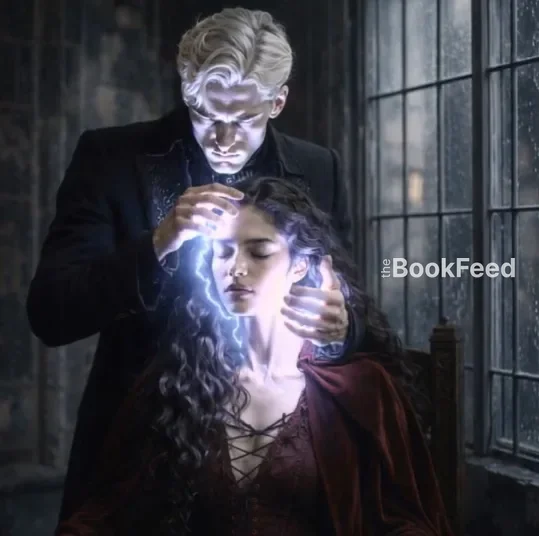
Animancy is the rarest and most feared application of resonance because it targets the mind itself. Memory, consciousness, identity, and awareness all fall under its scope.
Animancy enables:
- mental interrogation
- memory suppression or alteration
- resistance against mental intrusion
- transference of consciousness between vessels
Because the mind is both fragile and self-defining, animancy carries the highest risk. Damage is often invisible until it is catastrophic. Where vivimancy erodes the body, animancy threatens the self.
What Repertoire Allows — and Forbids
In theory, a resonant individual could study multiple applications of alchemy. In practice, repertoire acts as a hard limiter. An alchemist whose resonance does not respond precisely to metals cannot perform metallurgical alchemy at an industrial or professional level, regardless of training. Similarly, a metallurgist cannot simply choose to become a vivimancer. Resonance can be refined, but it cannot be safely redirected.
Helena Marino illustrates this limitation clearly. Although she possesses resonance and minimal sensitivity to certain metals, her repertoire is overwhelmingly aligned with organic systems. Her resonance responds most naturally to living tissue, allowing her to heal through vivimancy at the cost of her own vitality. This specialization makes her a powerful healer but prevents her from functioning as a metallurgist or industrial alchemist in any meaningful sense.
The Ferron guild represents the opposite end of this spectrum. Iron is traditionally classified as a base and inferior metal in religious cosmology, yet Ferron iron resonance allows for unprecedented precision in steel production. Their mastery of industrial alchemy reshaped Paladia itself, railways, factories, and architecture, demonstrating that symbolic hierarchy does not determine practical power.
Repertoire ensures that resonance is not interchangeable. Two alchemists may possess equal amounts of resonance and yet be incapable of performing the same work. Power in Alchemised is not universal or flexible; it is specific, constrained, and unevenly distributed.
What are Arrays?
Some alchemical effects cannot be sustained through raw resonance alone. Arrays, symbolic diagrams, and patterned constructions exist to give resonance direction and stability.
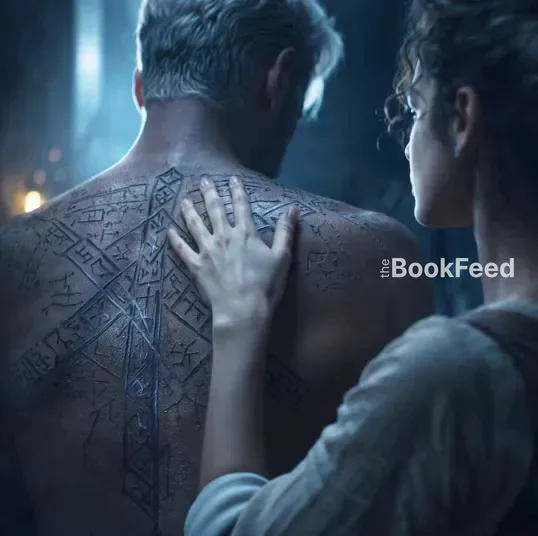
Arrays function like engineering schematics:
- They channel energy precisely
- They prevent collapse or runaway reactions
- They enable large-scale or long-term effects
Transference, immortality, and suppression all rely on arrays. Without them, resonance is too volatile for such feats.
Vitality, Burnout, and the Toll
The defining limitation of the magic system is the toll. Vitality is finite. Every act of organic alchemy consumes it. Over time, alchemists experience:
- burnout (temporary depletion)
- chronic deterioration
- eventual collapse if limits are ignored
This is why immortality requires cheating the system. It is not that death is inevitable—it is that the cost must be paid by something.
Suppression and Anti-Magic Materials
Resonance is not abstract. It can be dampened, blocked, and interrupted. Unlike lunar Abeyance, artificial suppression forcibly blocks resonance rather than allowing it to wane naturally.
- Mo’lian’shi suppresses resonance
- Nullium, an alloy of lumithium and Mo’lian’shi, blocks it almost entirely
These materials are used in restraints and weapons, proving that resonance obeys physical rules. Magic in Alchemised is powerful but never untouchable.
Status of Metal in Alchemised
In Alchemised, metals carry both alchemical and social rank. Cultural doctrine defines silver as a noble metal associated with celestial purity and higher spiritual status, while it casts iron as a base metal tied to labor, industry, and earthly utility. Although iron can generate immense wealth, as seen with the Ferron guild, it remains theologically inferior. This hierarchy shapes social standing, marriage dynamics, and power relations: society views silver-resonant individuals as spiritually superior to iron-resonant ones, even when they possess fewer material resources. The incompatibility of silver and iron reflects this divide, reinforcing the novel’s central conflict between divine tradition and industrial progress.
Lumithia, Ascendance, and Abeyance
Lumithia’s orbit directly affects the expression of resonance. Unlike a typical lunar cycle, Lumithia waxes full only twice each year, in spring and autumn. These periods are known as Ascendance. During summer and winter, Lumithia enters Abeyance, when her influence weakens.
During Ascendance, resonance becomes easier to access but harder to control. Alchemists with weak resonance may only be capable of transmutation during these periods, while those with strong resonance often experience overload. This manifests as disorientation, impaired coordination, emotional instability, and loss of fine control, a condition commonly referred to as being moon-drunk.
Ascendance manifests most strongly in Paladia, where lumithium-rich geography creates a high density of resonance. The Sacred Faith interprets this heightened response as evidence of Paladia’s closeness to the gods. However, individual reactions vary. While Paladian alchemists often experience physical intoxication during Ascendance, non-Paladians may experience anxiety or distress instead, suggesting that lunar influence amplifies existing resonance rather than producing a uniform effect.
Abeyance does not remove resonance; it suppresses its expression. Resonance persists but resists access, reinforcing the broader principle that attempting to destroy it triggers catastrophic consequences. This cyclical fluctuation reinforces that alchemy in Alchemised is not a constant power, but a force shaped by material, bodily, and cosmic conditions.
Why the System Feels Contradictory (and Isn’t)
Much of the confusion surrounding the magic system comes from who is explaining it.
- The Sacred Faith frames resonance as divine and moral
- The guilds treat it as inheritance and capital
- The Undying view it as fuel and engineering
They are describing the same mechanics through incompatible ideologies. The magic itself is consistent; the interpretations are not.

No comments