

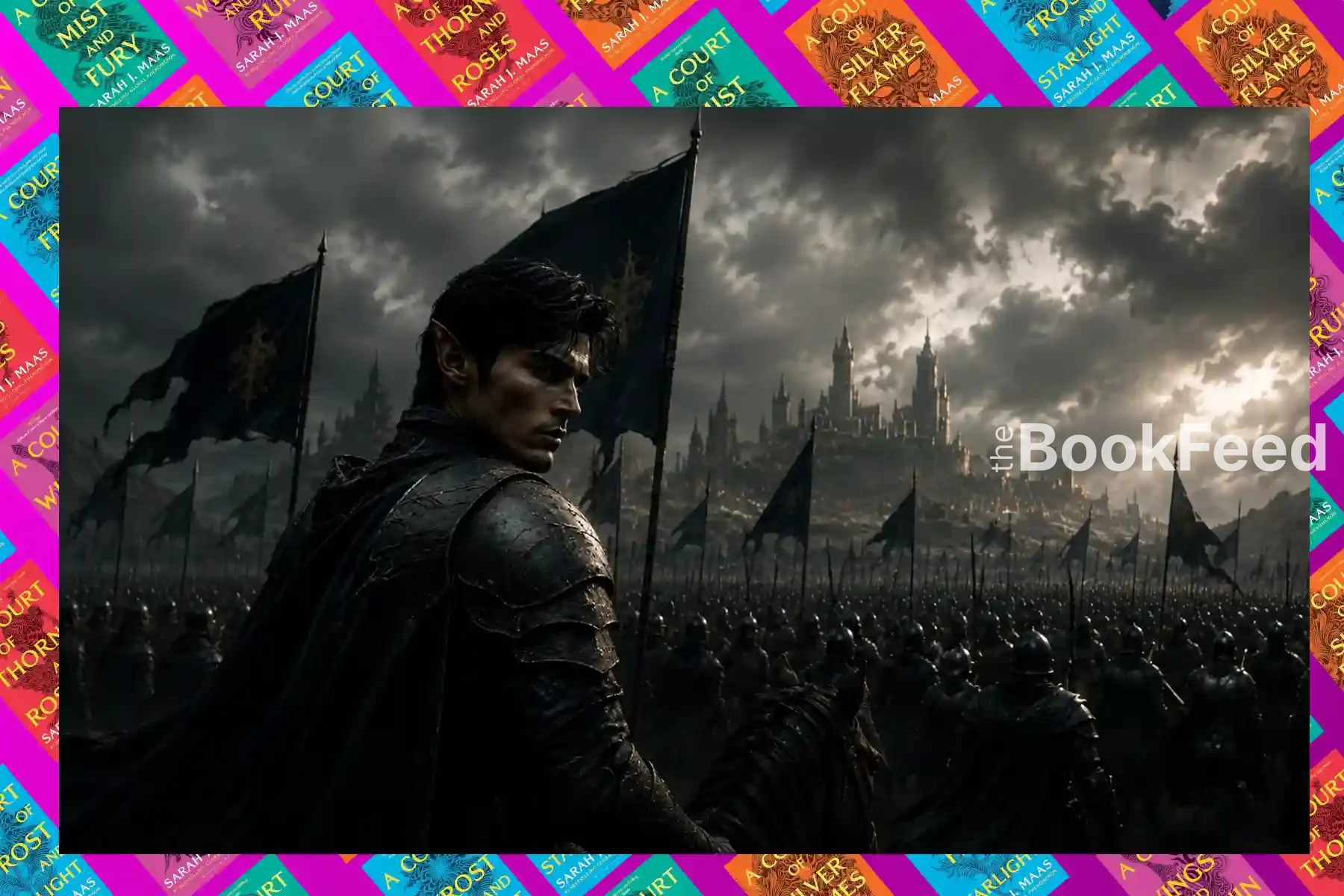
Five hundred years before A Court of Thorns and Roses, humans and Fae fought a war that ended centuries of human enslavement. The conflict reshaped Prythian and the human lands. Jurian, Amarantha, Cassian, Mor, Miryam and Drakon all played a role. With the Wall now gone and the human territories becoming important again, that history may matter more than ever before ACOTAR 6.
What Was the War Before ACOTAR?
Before the events of ACOTAR, humans and Fae lived across many of the same territories, but not as equals. Humans were enslaved in several Fae kingdoms. When they eventually rose against that system, the conflict spread across Prythian and the wider Continent.
The war did not simply divide humans and Fae. Some Fae rulers and armies fought alongside the humans, while others wanted to preserve the existing order. The Courts of Prythian were divided as well, and the Spring Court under Tamlin’s father supported Hybern.
Hybern became one of the strongest powers fighting to preserve human enslavement. Rather than free the humans he had enslaved, the King of Hybern killed them and sent two of his most dangerous commanders, Amarantha and her sister Clythia, into the war.
Miryam and Drakon Fought for the Human Cause
One of the most important figures on the human side was Miryam. A Fae queen in the Black Land, a realm on the southern Continent, had once enslaved Miryam and kept other humans in bondage.
Miryam later joined the resistance and helped free the enslaved humans there. Mor was also involved in the campaign. Miryam eventually became close to Prince Drakon, a High Fae ruler who supported the human cause and fought alongside her.
Their relationship would also become important to Jurian, who had previously been Miryam’s lover before she left him for Drakon.
Jurian Became One of the Most Important Human Generals
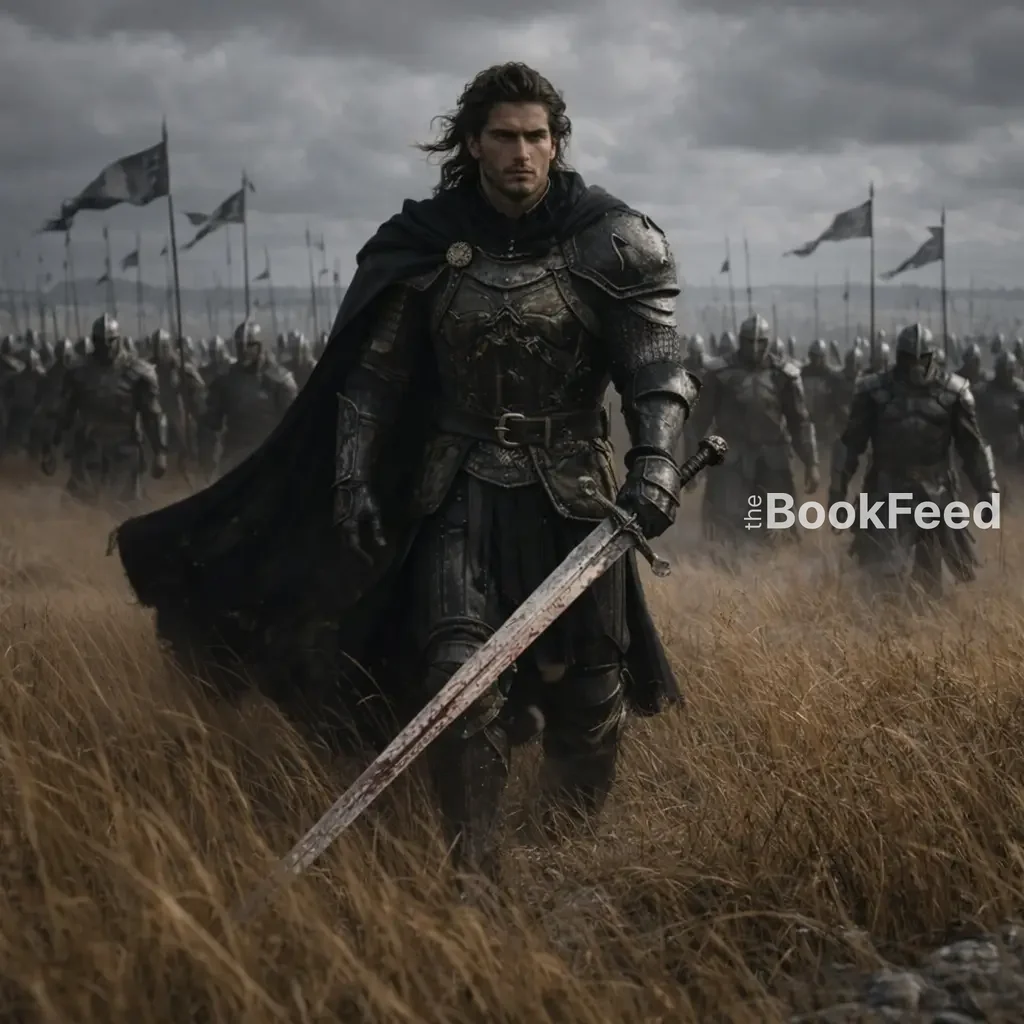
Jurian became one of the leading human commanders during the war. He was a skilled general, but his personal history with Miryam and Drakon also shaped the increasingly brutal way he fought against the Fae.
One of the most important episodes involved Clythia, Amarantha’s sister. Clythia became obsessed with Jurian, and he pretended to return her feelings while using the relationship to gain information from her.
Once he had what he needed, Jurian killed her in an especially brutal way. He crucified Clythia using ash wood, dismembered her and left her remains for Amarantha to find.
Whatever military advantage Jurian gained from the deception, the result was also deeply personal. From that point on, Amarantha was determined to make him pay for Clythia’s death.
Amarantha Took Revenge on Jurian
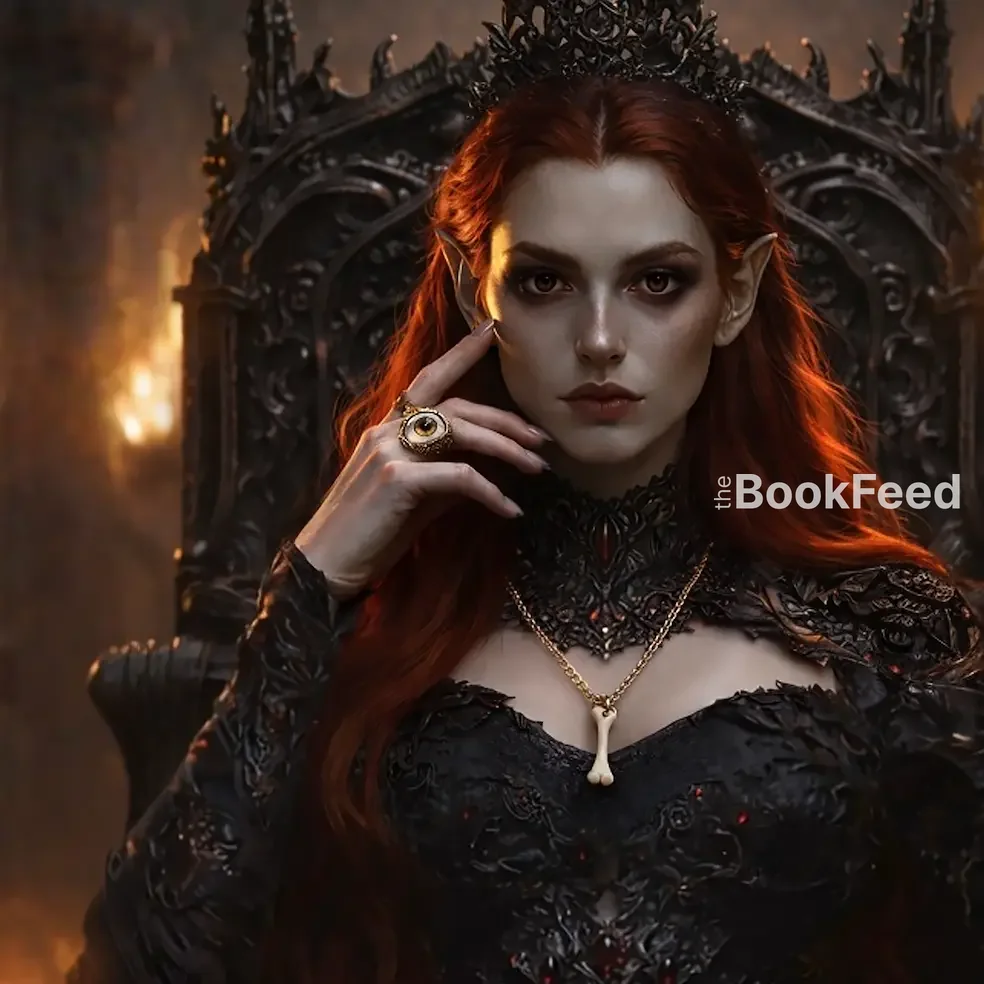
Amarantha served as one of Hybern’s commanders during the war and fought against the humans and the Fae who supported them. After Clythia’s death, Jurian became one of her most personal enemies. She eventually captured and tortured him before destroying his body. His eye was preserved in the ring she later wore, while his fingerbone became part of a necklace.
Amarantha trapped Jurian’s consciousness within what remained of his body, forcing him to stay aware of everything happening around her. Centuries later, when Feyre encounters her Under the Mountain, the eye in Amarantha’s ring is still Jurian’s.
Cassian Fought Alongside the Original Valkyries
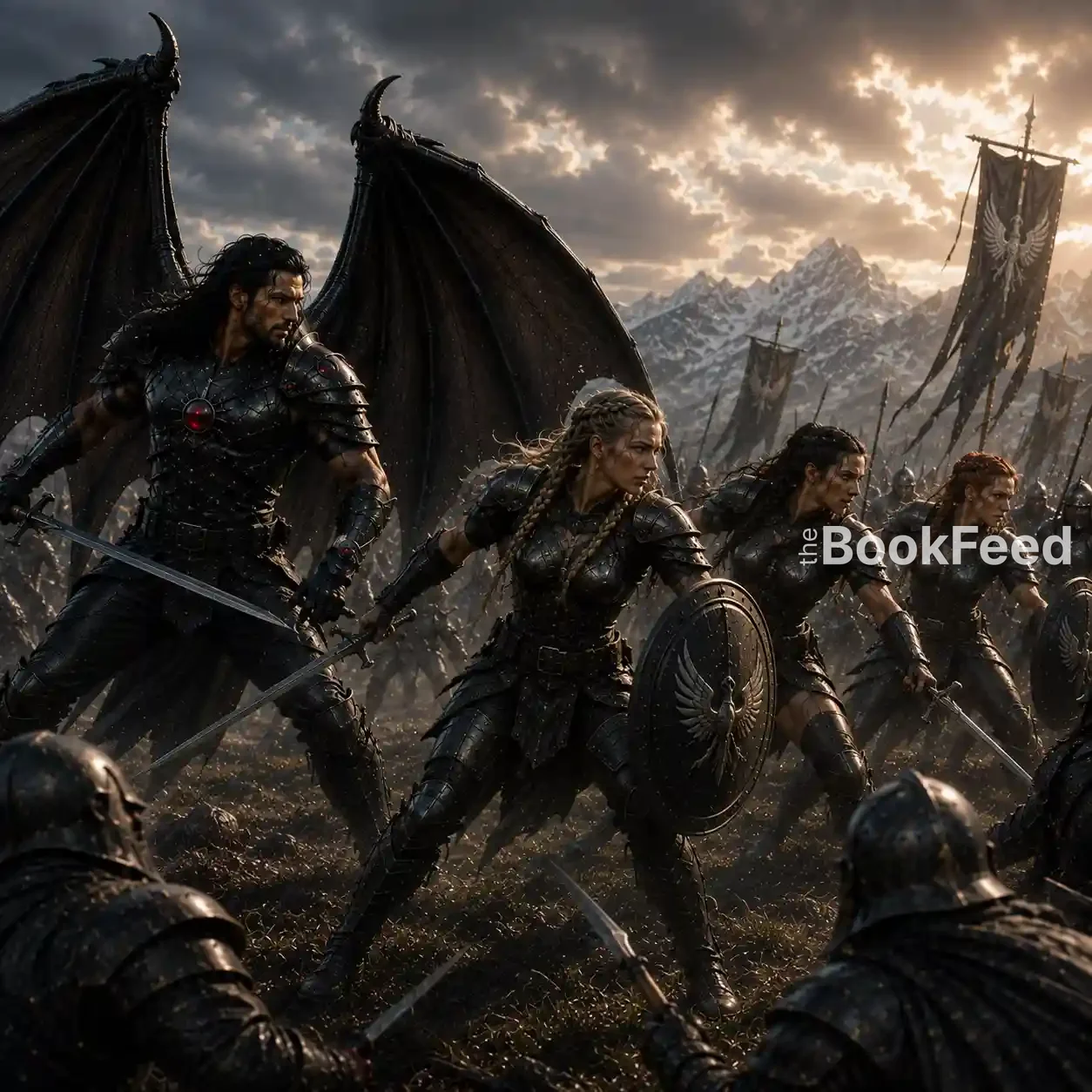
Cassian fought as an Illyrian soldier during the war and participated in several battles alongside the original Valkyries. He also had a relationship with a Valkyrie named Tanwyn.
Their story ended during the Battle of Meinir Pass. The Valkyries were preparing to defend the pass against a powerful enemy force, but the Illyrian commanders refused to send support because they considered the position too dangerous.
Cassian wanted to fight beside the Valkyries anyway, but his commanders stopped him by force. They knocked him unconscious and chained him to a supply wagon to prevent him from joining the battle.
By the time Cassian was able to return, the Valkyries had been destroyed. Their loss ended the original order, which would not return until Nesta, Gwyn and Emerie began rebuilding the Valkyries centuries later in A Court of Silver Flames.
Mor Worked With the Human Forces
Mor was closely involved with the human side of the conflict and acted as a liaison between Fae forces and human rulers. She knew Jurian and also played a role in the fighting on the Continent, including the liberation of enslaved humans in the Black Land.
During the war, Mor met the human queen Andromache and fell in love with her. Their relationship became one of the more personal examples of the divide between the human and Fae worlds.
When Mor later returned to Andromache, she found that the mortal queen had married and started a family. Because Andromache was human, Mor ultimately outlived her.
How the War Ended
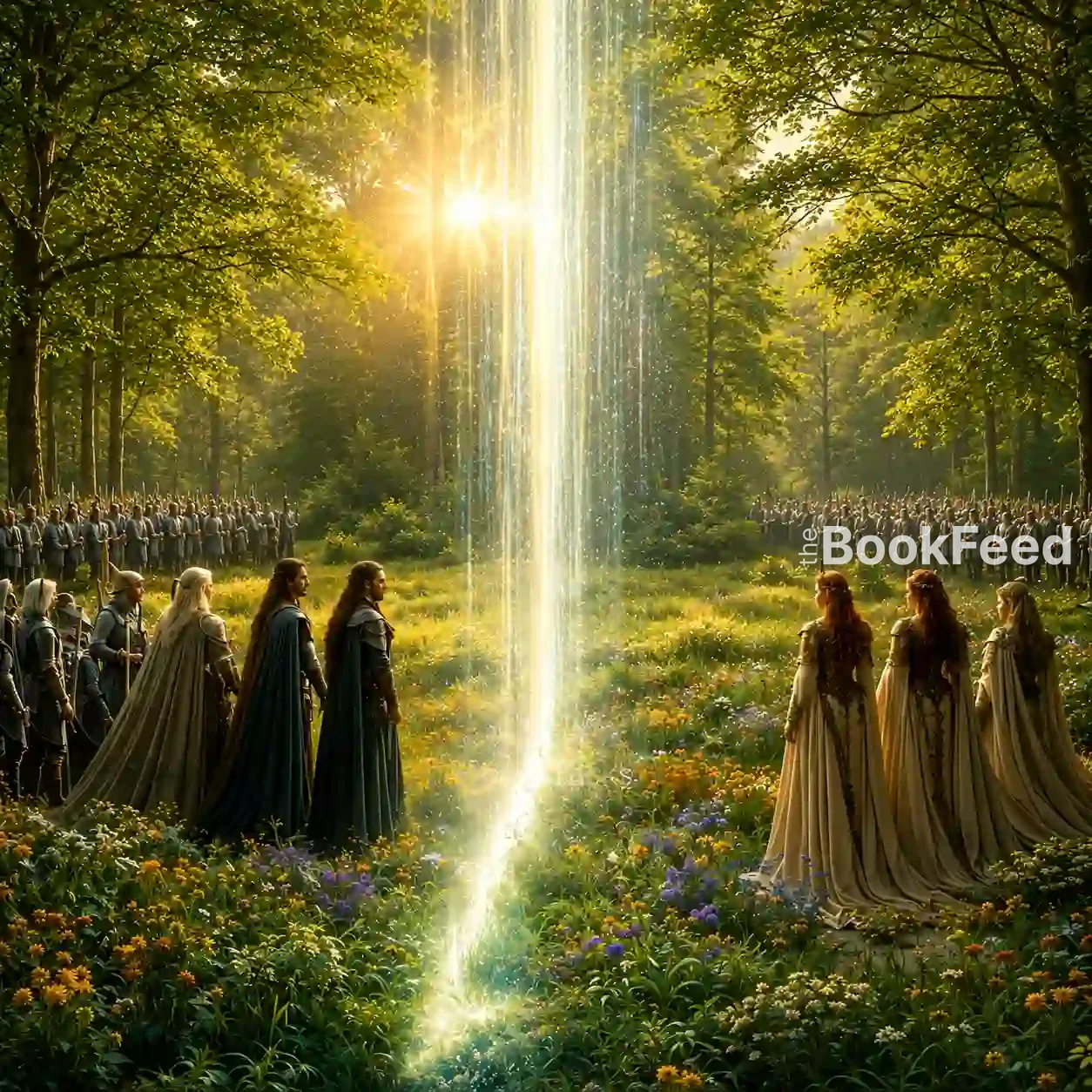
The forces fighting for human freedom eventually won, ending centuries of human enslavement. The surviving powers then negotiated the Treaty, which formally separated the human and Fae territories and established a new political order across Prythian and the Continent.
A magical Wall was created between Prythian and the human lands, with Fae territories to the north and mortal territories to the south. For the next five hundred years, that Wall became the clearest physical boundary between the two worlds.
The settlement also included protection against one of the greatest threats to that boundary: the Cauldron. Because the Book of Breathings contained the knowledge needed to counter its power, the book was divided in two. One half went to the Mortal Queens and the other to the Summer Court.
The Treaty ended the war, but it did not erase the history behind it. Humans had spent generations enslaved by Fae rulers, and the fear and resentment created by that system continued long after the fighting ended.
The War Changed How Humans Saw the Fae
By the beginning of A Court of Thorns and Roses, the War had been over for centuries, but its consequences were still visible in the human lands. Many humans continued to fear or hate the Fae, and those feelings shaped everyday life south of the Wall.
Humans sometimes hunted and killed Fae who crossed into their territories. They also carried iron weapons and wore iron jewelry because they believed the metal could protect them from Fae magic. The belief was false, but it had become deeply rooted in human culture.
Other humans also viewed Fae admirers with suspicion. They often mocked or attacked the Children of the Blessed, who worshiped the Fae and sometimes crossed the Wall hoping to enter Prythian.
The Treaty therefore created peace and independence, but it did not create trust. The relationship between humans and Fae remained shaped by the memory of slavery and war for the next five hundred years.
Hybern Destroyed the Wall
Five hundred years later, the King of Hybern attempted to undo the political order created by the Treaty. His plans once again centered on the human territories, and the Wall became one of the main obstacles standing between Hybern and the lands south of Prythian.
Using the Cauldron, Hybern eventually destroyed the Wall during the events of A Court of Wings and Ruin. Hybern was defeated, but the Wall was never restored.
That left the human territories without the physical boundary that had separated them from the Fae for centuries. The war had ended, but the destruction of the Wall permanently removed one of the most important protections created by the original Treaty.
In A Court of Silver Flames, Mor warns that Vallahan may not be interested in peace and describes the human lands as an easy target for expansion. She also suggests that Montesere and Rask could be thinking the same way. Several Fae powers are therefore already looking toward the human territories with territorial ambitions.
“Pushing into human lands is low-hanging fruit.”
Why the War Before ACOTAR Matters for ACOTAR 6
The newly released description for A Court of Splintered Harmony makes the original War relevant again in a much more direct way. Koschei is stirring on the Continent. The threat of his return is also attracting powerful Fae allies who want to reclaim the human lands.
That brings the series back to the political settlement created five hundred years ago. The War ended with humans winning their freedom and gaining territories of their own. The Treaty and the Wall then separated those lands from the Fae for centuries.
Now the Wall is gone, and those protections no longer exist in the same form. That could make control of the human lands an important issue again in ACOTAR 6.

No comments