

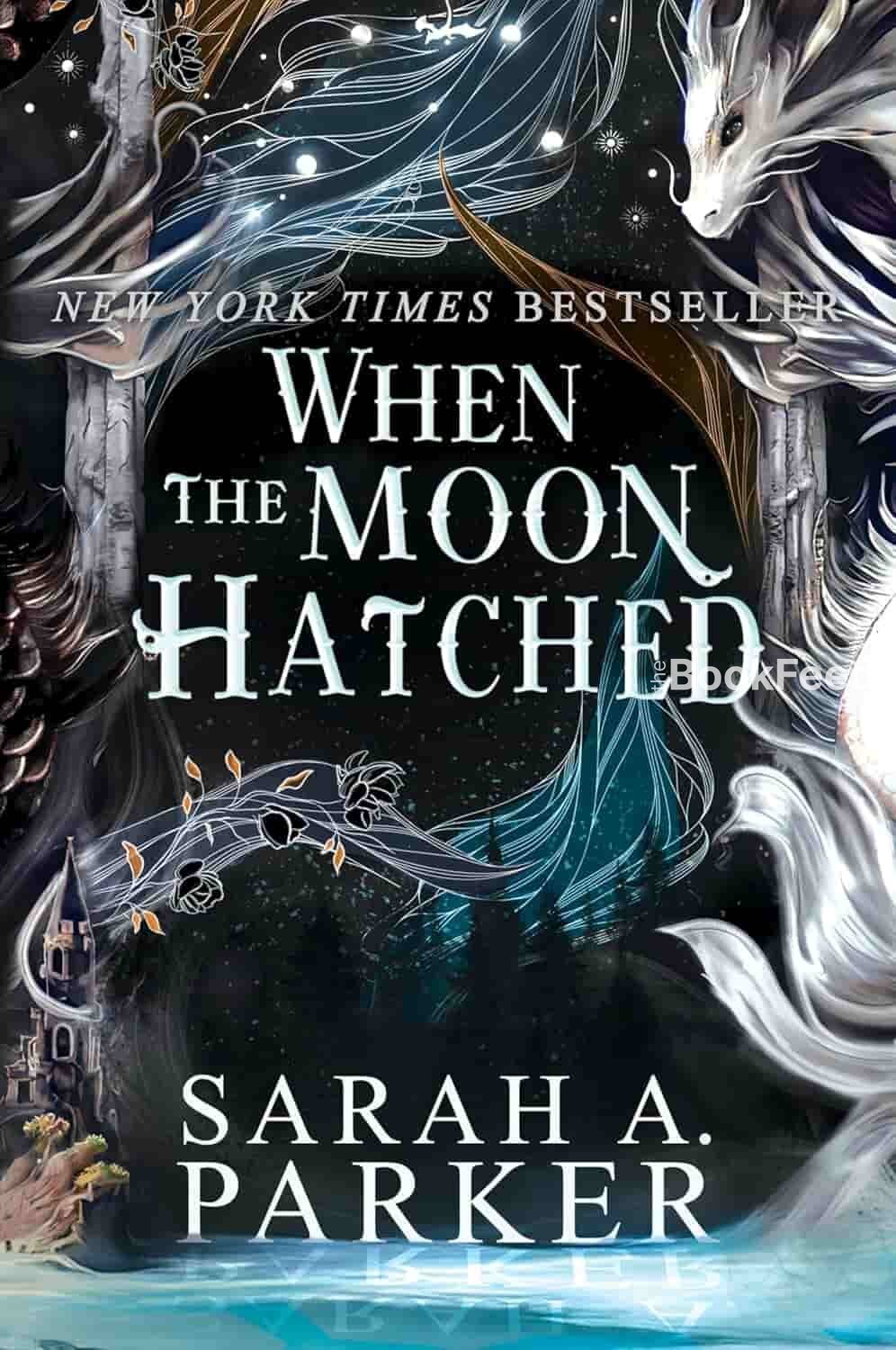
When the Moon Hatched by Sarah A. Parker follows Raeve, an assassin working for a rebellion, and Kaan Vaegor, a dragon rider and king haunted by the loss of the woman he loved. When Raeve is captured, their paths collide in a world where dead dragons become moons and ancient powers shape the fate of three rival realms.
The Burn, the Fade, and the Shade each have their own ruler, climate, and dragon species. People who hear the elemental songs can wield magic, while the Aether Stone and the falling moons connect the world’s history to the danger unfolding around Raeve.
This guide explains the story, characters, realms, dragons, elemental magic, and the major revelations at the end of When the Moon Hatched. Use the contents list to jump to a specific answer while reading or to refresh your memory before The Ballad of Falling Dragons.
Spoiler warning: Character and plot spoilers appear throughout. The full ending is discussed in the final sections.
Contents
What Is When the Moon Hatched About?
Raeve kills for the rebellion and tries to keep her past buried. A rival bounty hunter upends her life, and she is taken prisoner by the powerful Guild of Nobles. Kaan Vaegor, a king searching for a clue connected to his lost love, finds her in the prison. Their encounter opens questions about Raeve’s identity, Kaan’s history, and the magic holding their world together.
The novel gradually connects their personal story to the three realms, the dragons in their skies, and a much older mystery surrounding the Aether Stone. The sections below explain those connections before the ending recap.
Read the Moonfall Books
Explore Sarah A. Parker’s fantasy series from the beginning or continue with book two.
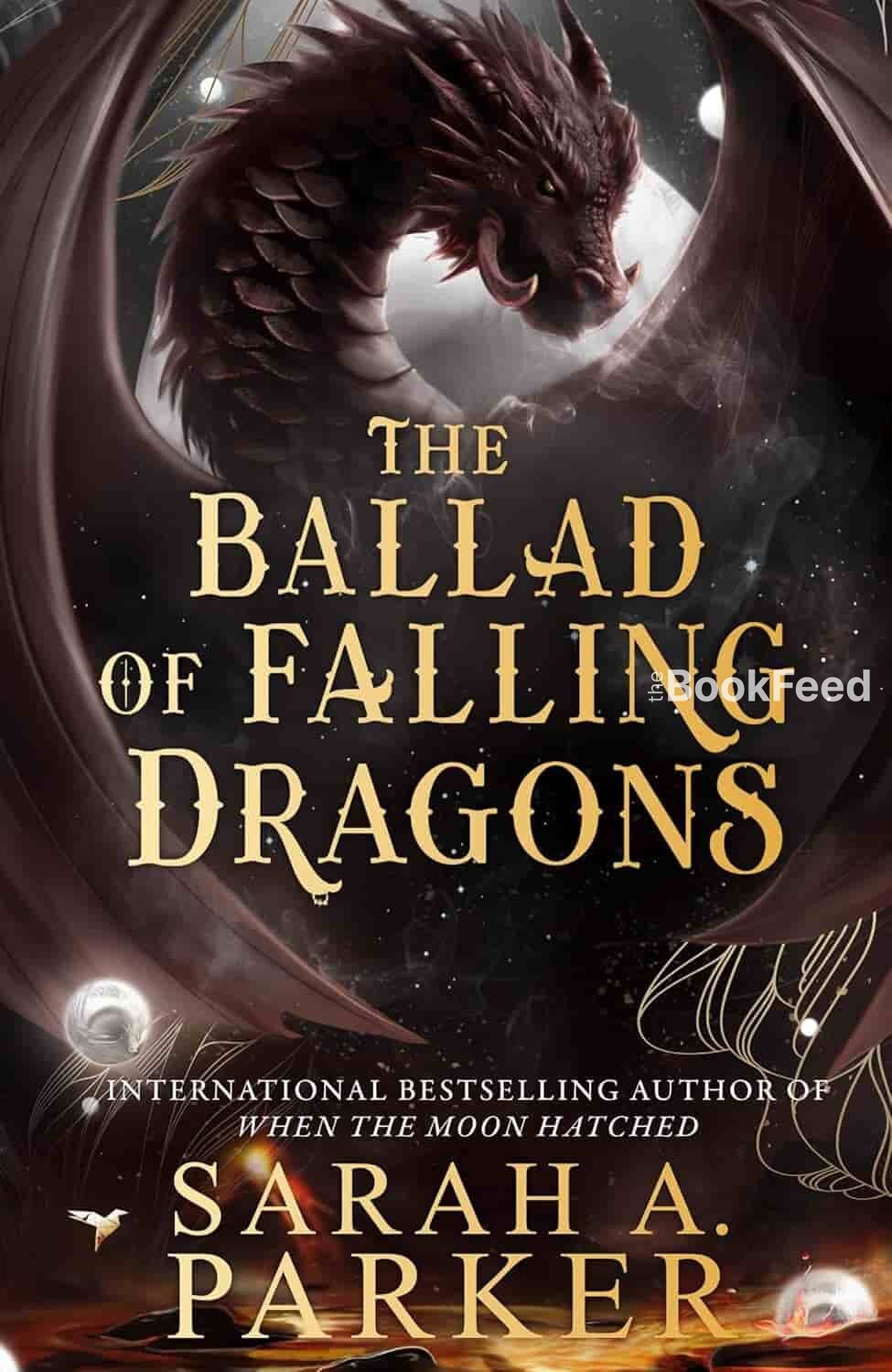
The Ballad of Falling Dragons
Continue the Moonfall story in the second novel.
View on AmazonAs an Amazon Associate, theBookFeed earns from qualifying purchases.
When the Moon Hatched Characters
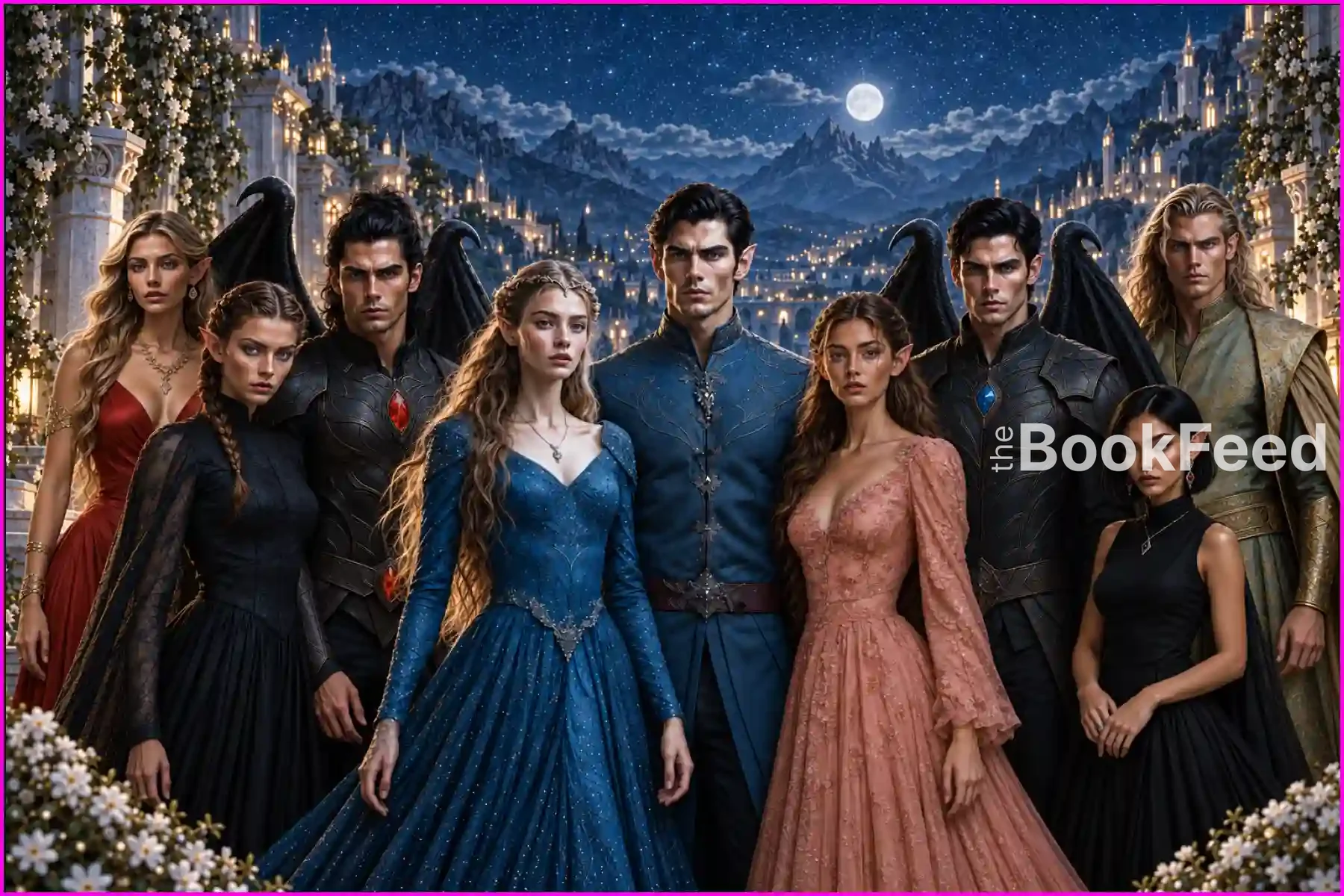
When the Moon Hatched features a large cast spread across the Burn, the Fade, the Shade, and the hidden spaces between them. Many characters are tied not only to political factions but also to elemental songs, dragon bonds, bloodlines, and forgotten histories.
At the center of the story is Raeve, an assassin of Fíur Du Ath whose identity is one of the book’s biggest mysteries. Around her are kings, warriors, healers, inventors, dragons, and ancient powers that slowly reveal how deeply the past still controls the present.
The table covers the main cast and supporting figures. Major identity and relationship reveals appear in the final column.
| Image | Character | Appearance | Elemental Song | Background |
|---|---|---|---|---|
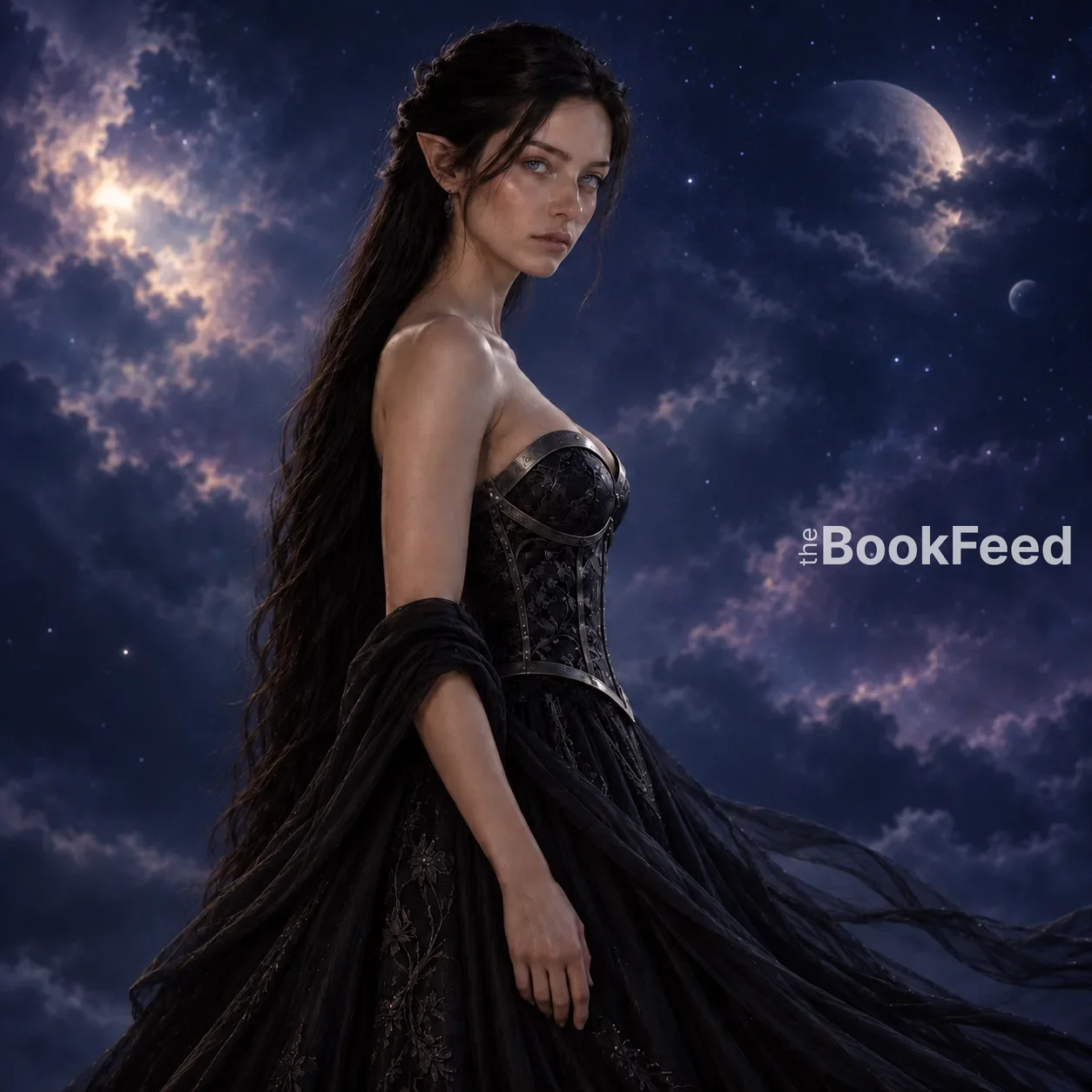 | Raeve | Dark hair, powder-blue eyes, lean build | Clode (Air), Bulder (Ground), Rayne (Water), Ignos (Fire) | Assassin of Fíur Du Ath whose forgotten past is the central identity reveal: she is Elluin. |
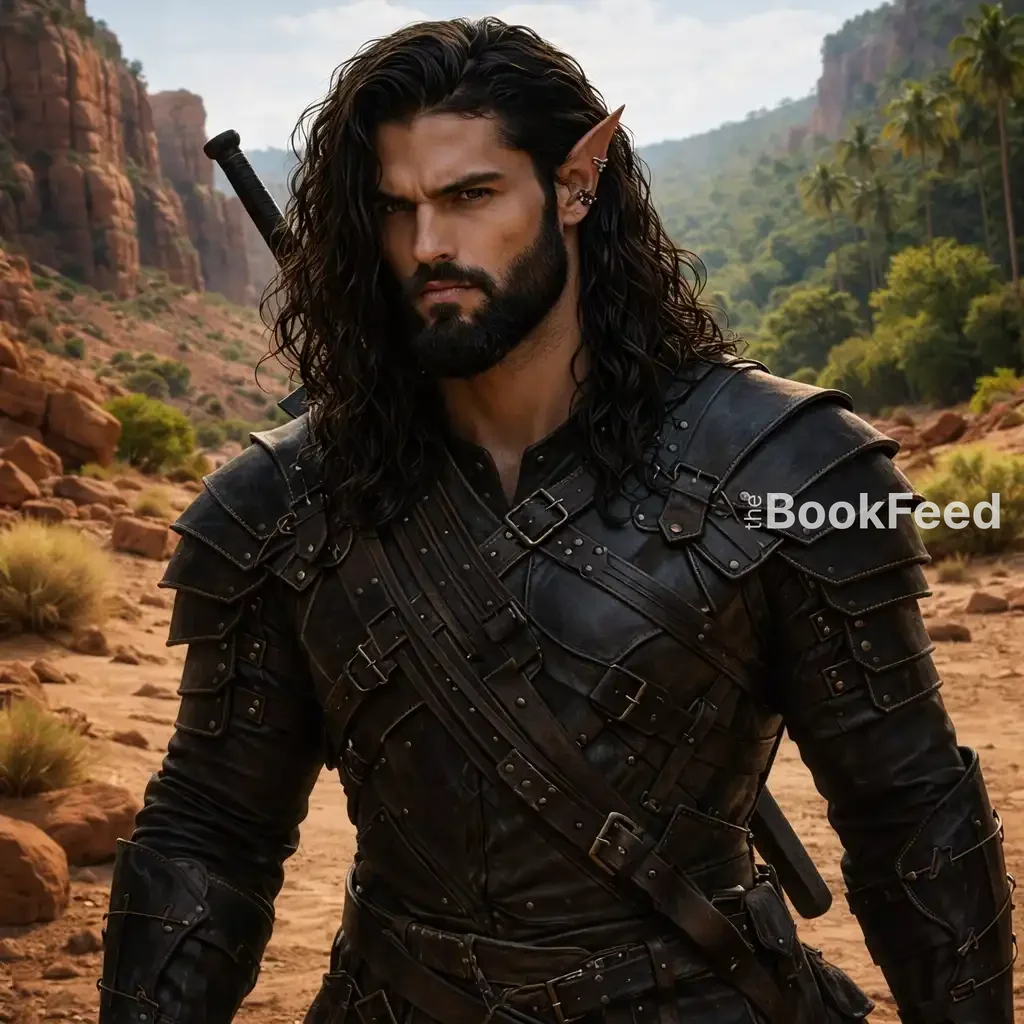 | Kaan Vaegor | Dark hair, tall build, eyes like molten firewood | Ignos (Fire), Bulder (Ground) | King of the Burn and commander of the Sabersythe dragon Rygun. |
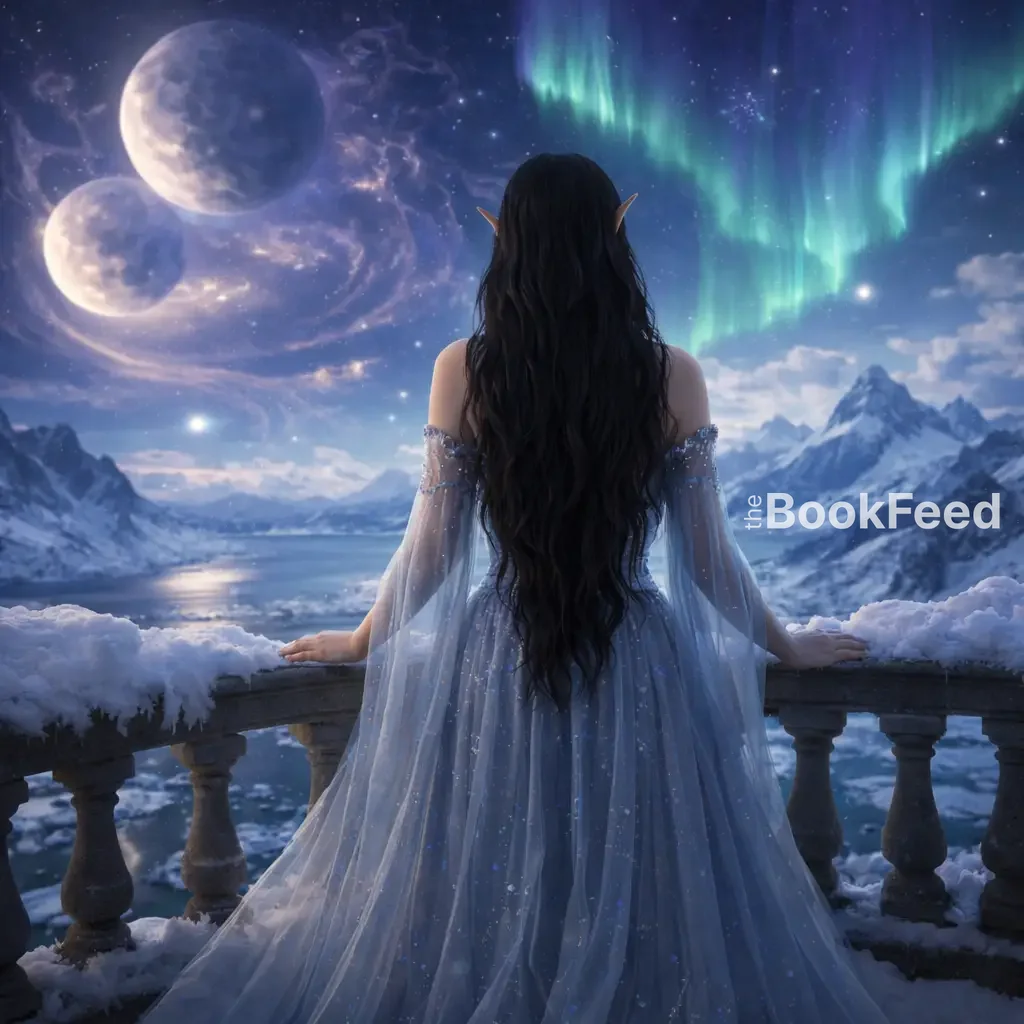 | Elluin | Pale skin, dark hair, delicate features | — | Princess of the past whose diary reveals her love for Kaan; she and Raeve are the same person. |
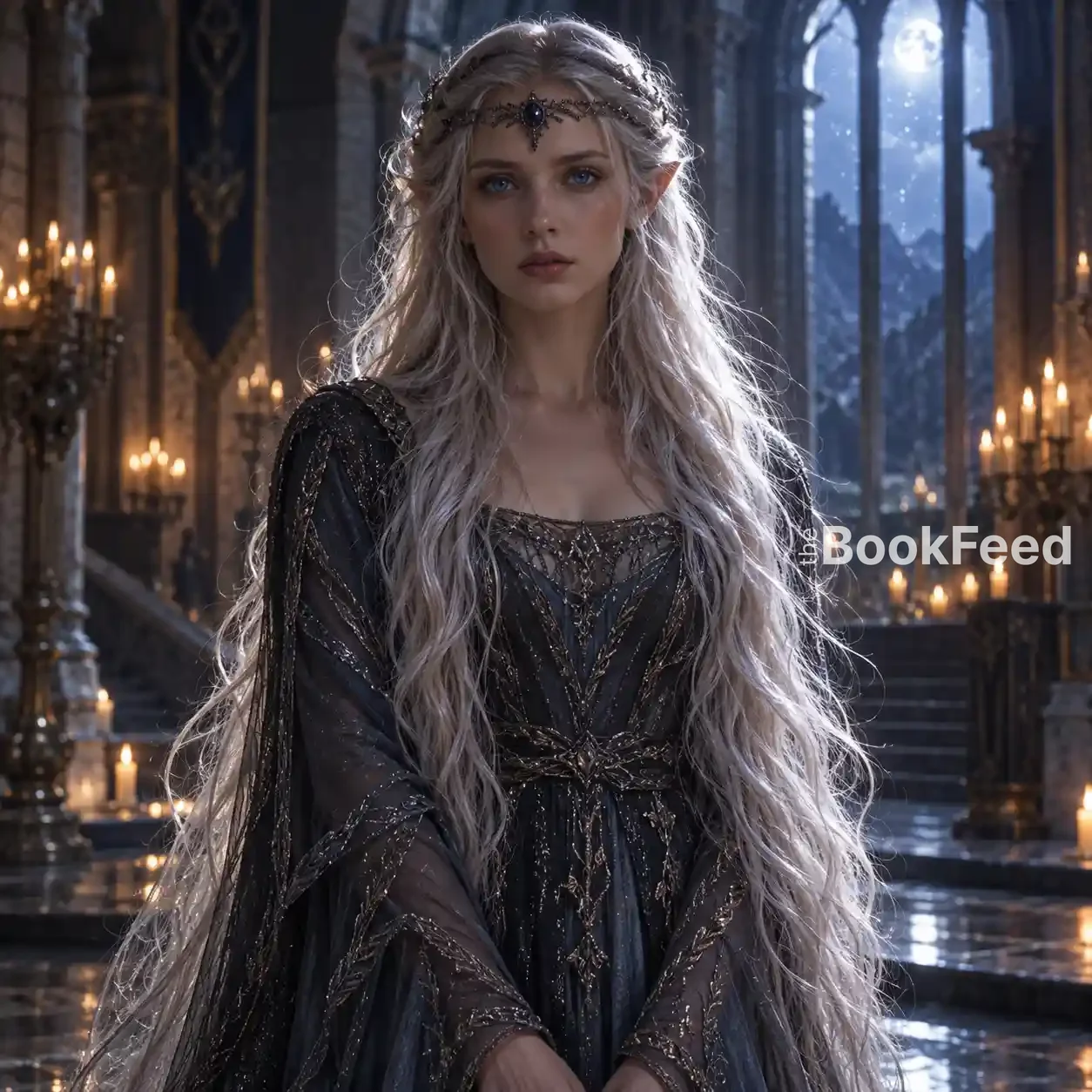 | Kyzari Vaegor | White hair past waist, azure eyes, pale skin, black Aether Stone diadem | — | Princess of the Shade and bearer of the Aether Stone; Elluin and Kaan’s daughter, a truth hidden for much of the book. |
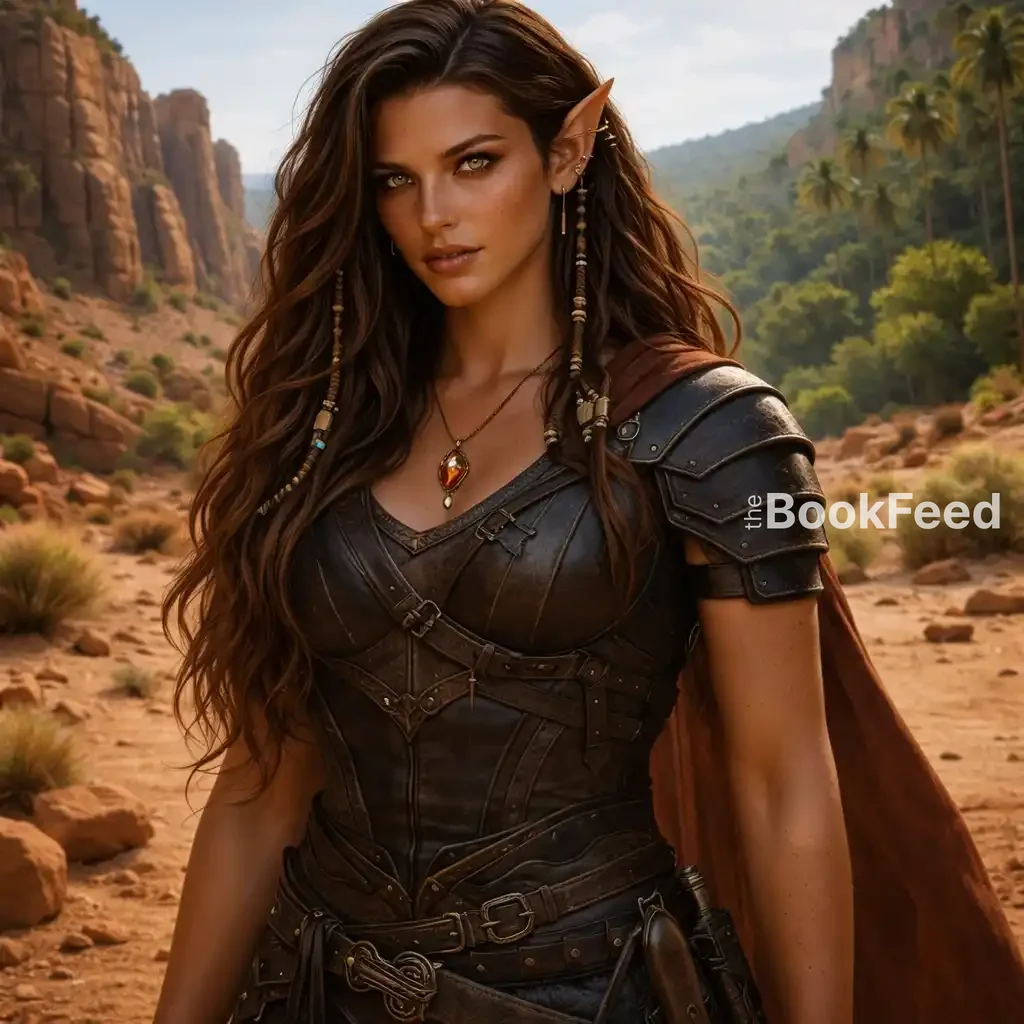 | Veya Vaegor | Sun-kissed skin, long warm-brown hair with beads, ember eyes, freckles | Bulder (Ground) | Kaan’s sister and a fierce warrior. |
| Essi | Long deep-red hair, tawny eyes with metallic flecks, null clip on left ear | — | Inventor and Raeve’s closest friend whose death drives Raeve’s actions. | |
| Sereme | White coiffed hair, silver eyes, flawless pale skin, purple coat | — | Leader within Fíur Du Ath who controls Raeve through a blood bond. | |
| Ruse | Bright orange curls, sunburst eyes, wide smile | — | Owner of the Curly Quill and supplier of weapons and tools. | |
| Uno | Small fox-like creature | — | Ruse’s miskunn with unusual awareness and possible foresight. | |
| Rekk Zharos | Long pale hair, cerulean eyes, red and brown beads | Ignos (Fire), Bulder (Ground) | Bounty hunter sent by the Crown and responsible for Essi’s death. | |
| The Other | Shadowy shifting presence | Clode (Air), Bulder (Ground), Rayne (Water), Ignos (Fire) | A hidden entity within Raeve that can take control and unleash immense power. | |
| Cadok Vaegor | Dark hair, pale eyes, sharp features | Multiple | King of the Fade and one of the Vaegor brothers. | |
| Tyroth Vaegor | Dark hair, tall build, stern expression | Clode (Air), Bulder (Ground), Ignos (Fire) | King of the Shade and a powerful tri-blood ruler. | |
| The Scavenger King | Gaunt face, dark hair, intense eyes | Ignos (Fire) | Arkyn, a Vaegor half-brother who captures Kyzari in the epilogue. | |
| Grimh | Snow-toned hair, icy eyes, square jaw, large build | — | Kaan’s second-in-command and a loyal warrior in the Burn. | |
| Pyrok | Emerald eyes, lean build | Ignos (Fire) | Member of Kaan’s court in the Burn. | |
| Saiza | Dark hair, tribal markings | — | Member of the Johkull Clan who helps Raeve. | |
| Sól | White eyes, pale skin | — | Johkull seer who recognizes Raeve as Kholu. | |
| Oah Knok | Large build, weathered face | — | King of the Johkull Clan. | |
| Oah-ee | Very pale skin, long pale hair, bright green eyes | — | Queen of the Johkull Clan. | |
| Agni | Dark skin, long brown curly hair | — | Fleshthread healer with dragonsight. | |
| Vruhn | Milky eyes, thin build | Rayne (Water) | Runi and mindweft in Dhomm. | |
| Dothea Vaegor | Dark hair, regal posture | Clode (Air) | Queen of the Fade. | |
| Wrook | Small rodent-like creature | — | Prisoner held near Raeve. |
Raeve
Raeve is an assassin for Fíur Du Ath. She is skilled, guarded, and driven by loyalty to the few people she trusts. Her missing memories and the power she cannot fully control make her identity one of the book’s central mysteries. The book reveals that Raeve is Elluin Neván, though she has lived without those memories.
Kaan Vaegor
Kaan rules the Burn and rides the Sabersythe Rygun. He is still grieving Elluin when a clue brings him to Raeve. His choices are shaped by what happened to Elluin and by the truth he believes Raeve has forgotten.
Elluin and Kyzari
Elluin’s diary entries tell Raeve’s forgotten past: Elluin and Raeve are the same person. Kyzari carries the Aether Stone diadem and hears the god imprisoned within it. The final diary entry reveals that Kyzari is Elluin and Kaan’s daughter, rather than Tyroth’s.
The World of When the Moon Hatched
The known world of When the Moon Hatched is divided into three primary regions: the Burn, the Fade, and the Shade. Each territory has its own climate, ruler, culture, and dragon species.
These realms form the political and environmental backbone of the story. The Burn is shaped by heat and sunlight, the Fade by cold and stone, and the Shade by darkness, snow, and moons. Together, they explain much of the world’s conflict, power structure, and dragon lore.
The Burn
The Burn forms the northernmost portion of the world and is known for its extreme heat and relentless sunlight. Life in this region is shaped by a harsh climate where the sun burns intensely and temperatures remain high throughout most of the year.
Despite the oppressive heat, the Burn is not a barren wasteland. Its landscapes range from dense rainforests to vast desert plains and enormous bodies of water. This makes the realm feel rugged, dangerous, and surprisingly varied.
The capital of the Burn is Dhomm, and the realm is ruled by King Kaan Vaegor. The Burn is also the natural habitat of Sabersythe dragons, who thrive in intense heat and are known for their aggression, armored bodies, and dangerous nesting grounds.
The Fade
The Fade sits between the Burn and the Shade, acting as both a geographical and political bridge between the two extremes of the world.
Unlike the blazing temperatures of the Burn, the Fade is cold and often harsh. Snow and ice are common, while rainfall is rare. The land is more often shaped by freezing winds, sleet, icy terrain, and dangerous wilderness.
One of the Fade’s most striking features is the massive stone wall that protects many of its main population centers. The realm is ruled by King Cadok Vaegor, and its capital city is Gore.
The Fade is home to Moltenmaw dragons, feathered dragons with distinctive beaked faces. They nest in marshes and boglands, where fire-rich landscapes create the conditions needed for their eggs to hatch.
The Shade
The Shade lies at the southern edge of the world and is defined by darkness, snow, and extreme cold. It is the coldest of the three territories, with vast stretches of land permanently covered in ice.
Instead of sunlight, the Shade is illuminated mainly by auroras and moons overhead, giving the realm its haunting and otherworldly atmosphere. Its capital is Arithia, and the realm is ruled by King Tyroth Vaegor.
The Shade is home to Moonplume dragons. These dragons are uniquely adapted to darkness and cold, but they cannot tolerate direct sunlight, which burns their skin and leaves them blinded.
Dragons in When the Moon Hatched
Dragons are one of the most important worldbuilding elements in When the Moon Hatched. They are not just powerful creatures; they shape the ecosystems, politics, warfare, mythology, and even the skies of the world.
Each dragon species is tied directly to one of the three realms, and each species has adapted to its environment in a very different way.
| Image | Dragon Species | Realm | Appearance | Traits |
|---|---|---|---|---|
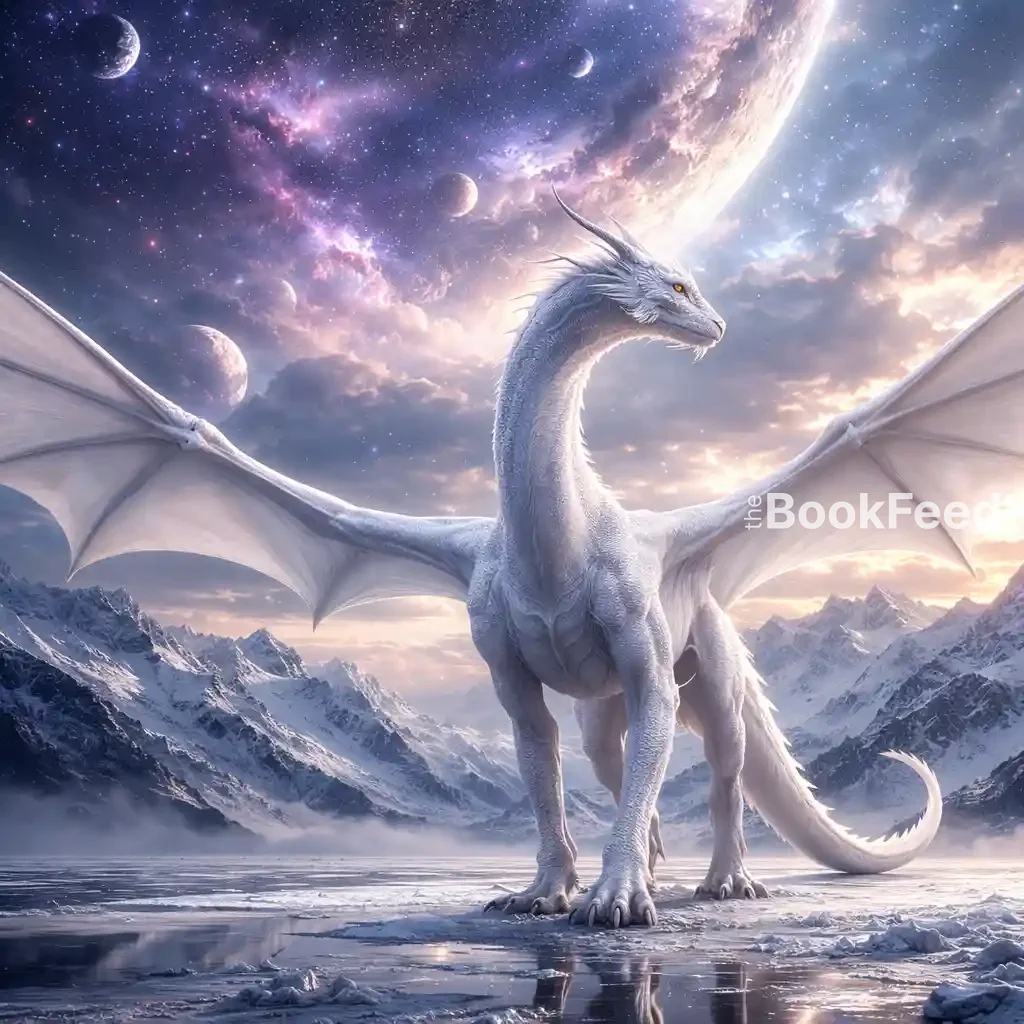 | Moonplumes | The Shade | Luminous leathery skin, pale or iridescent coloring, elegant shape | Highly intelligent and cunning; thrive in darkness and cold; cannot survive direct sunlight. |
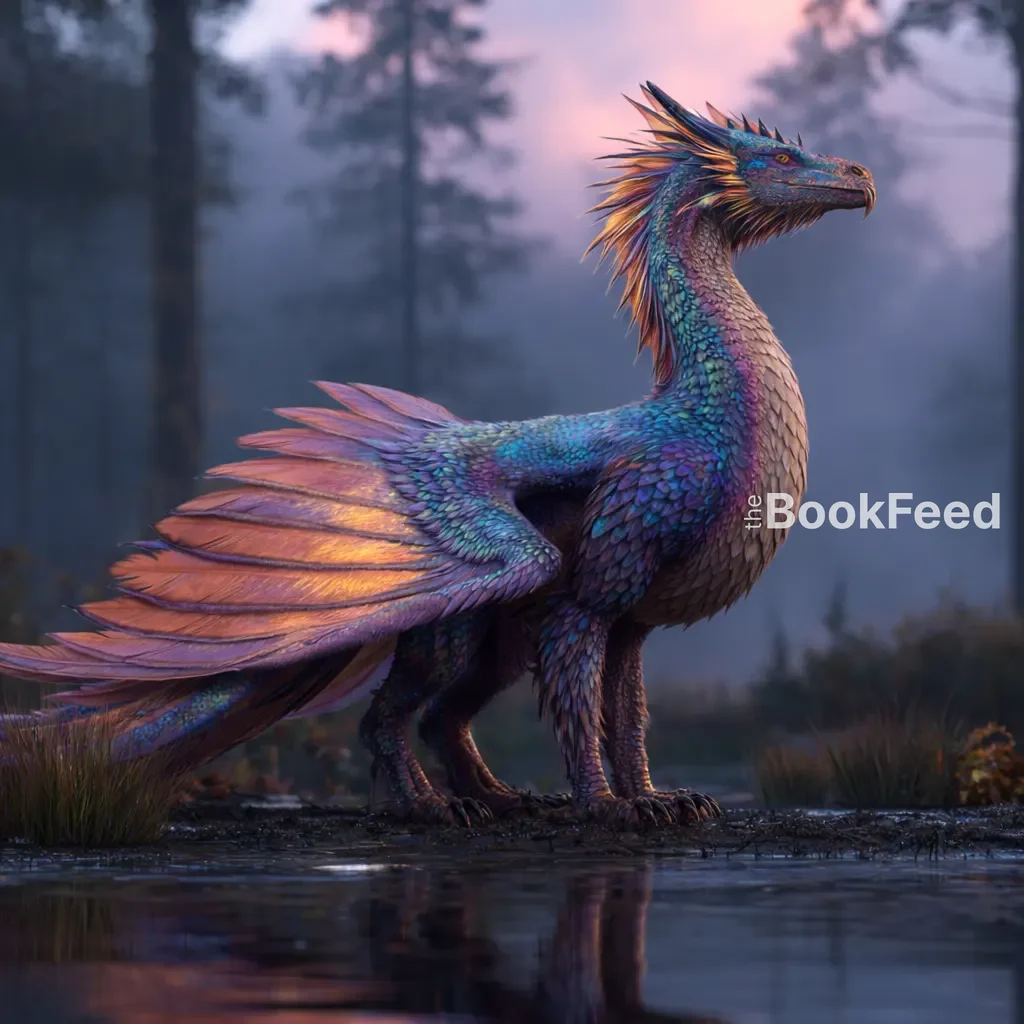 | Moltenmaws | The Fade | Feathered bodies, sharp beaks, varied colors | Adaptable dragon species that nest in marshes and boglands; generally easier to charm or bond with. |
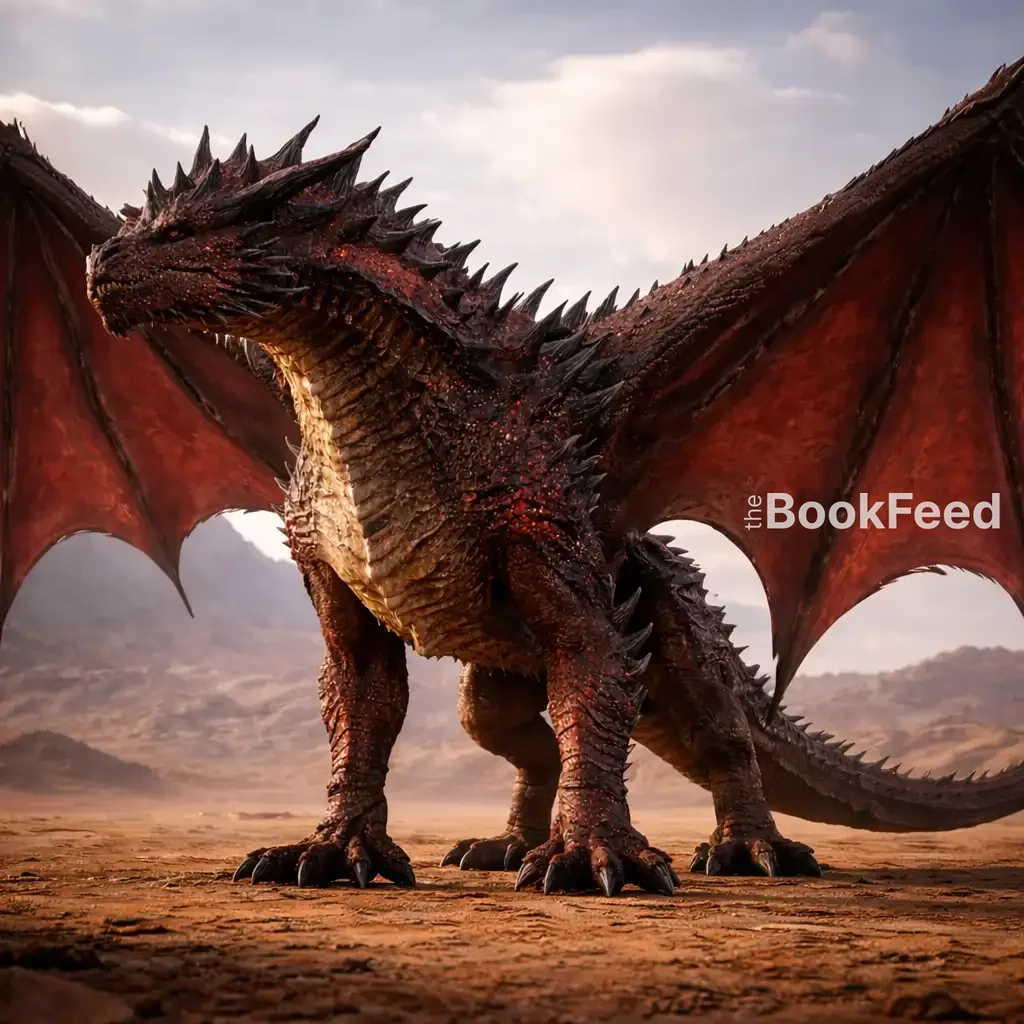 | Sabersythes | The Burn | Large, heavily scaled bodies with spikes; often red, brown, or black | Aggressive, heat-adapted dragons that thrive in the Burn and struggle in colder climates. |
Moltenmaws
Moltenmaws are native to the Fade. They are feathered dragons with sharp beaks and vibrant color patterns, making them visually distinct from the more traditionally scaled Sabersythes.
Their nesting grounds lie in marshy landscapes where their eggs are hatched through fire. Because Moltenmaws can adapt more easily than other dragon species, they are considered the most versatile dragons in the world.
Moonplumes
Moonplumes live exclusively in the Shade, where the environment is cold and dark. They are known for their luminous, leathery skin, long necks, elegant shapes, and pale coloring, including pearl, gray, white, and iridescent tones.
Moonplumes are widely considered the most intelligent and cunning dragon species. However, they are also extremely vulnerable to sunlight. Direct exposure burns their skin and leaves them blinded.
Sabersythes
Sabersythes dominate the Burn. These dragons are large, heavily scaled, and covered in spikes, with scales that often appear in darker shades such as red, brown, or black.
They are adapted to extreme heat and struggle to survive in colder climates. Sabersythes are also known to be highly aggressive, especially when their eggs are threatened.
Why Dragons Become Moons
In When the Moon Hatched, dragons do not simply die. When a dragon dies, its body petrifies and solidifies into a moon in the sky.
This is one of the central mysteries of the world. The moons are not just celestial objects; they are the remains of dragons. Over time, however, something catastrophic begins happening: moons start falling from the sky, threatening the world below.
Caelis and the Aether Stone
After repeated moonfalls, the other Creators blamed Caelis, the god of Aether, for the destruction. The prologue presents their judgment, but it does not settle every mystery about why the moons fall.
The gods imprisoned Caelis in an artifact known as the Aether Stone. The stone was placed in a diadem and entrusted to the Neván family, whose descendants are responsible for guarding it.
This burden is severe. Caelis’s endless singing gradually damages many female guardians of the line, driving them toward madness.
Elemental Magic and the Songs of the Creators
Magic in When the Moon Hatched is tied to Elemental Songs. Certain individuals can hear the songs of the gods, which allows them to wield elemental power.
Those with elemental magic often wear beads that publicly identify which song they can hear. Each song corresponds to one of the Creators and one natural force.
| Ignos | Fire — represented by red beads. |
|---|---|
| Rayne | Water — represented by blue beads. |
| Clode | Air — represented by clear beads. |
| Bulder | Ground / Earth — represented by brown beads. |
| Caelis | Aether — connected to the Aether Stone and the larger mythology of the falling moons. |
Nulls
Not everyone can hear elemental songs. People without elemental magic are called Nulls. In certain societies, Nulls are marked by a cut on the ear, symbolizing their lack of magical ability.
An iron pin can also suppress magical perception, preventing someone from hearing elemental songs and dulling their powers.
Other Magical Abilities
Beyond elemental magic, several rare supernatural abilities appear in the world. These powers are not the same as hearing the elemental songs, but they still shape healing, truth, memory, ancestry, and hidden knowledge.
| Dragonsight | The ability to see traces of ancient runes. These markings normally remain invisible unless illuminated by dragon flame. |
|---|---|
| Fleshthreads | Practitioners who use runic magic to heal wounds, repairing flesh and organs. |
| Mindweft | A rare power that allows someone to access or explore another person’s mind. |
| Truthtune | An ability that enables someone to sense when another person is lying. |
| Bloodlace | A magical affinity connected to blood that can reveal family ties or ancestral origins. |
Time and Age in When the Moon Hatched
The world of When the Moon Hatched uses its own timekeeping system. Instead of ordinary days and years, time is measured through aurora cycles, phases, and historical eras connected to the Aether Stone.
| Aurora Cycle | The equivalent of a day, based on the orbit of luminous ribbons of light around the planet. |
|---|---|
| Dae | The waking portion of an aurora cycle. |
| Slumber | The rest period within an aurora cycle. |
| Phase | A larger unit of time equal to 1,000 aurora cycles. Age is measured in phases. |
| BS | Before Stone — the era before the Aether Stone was entrusted to the Neván family. |
| AS | After Stone — the era after the Aether Stone was entrusted to the Neván family. |
Major ending spoilers begin below.
When the Moon Hatched Plot Recap and Ending
Raeve Hunts Tarik
The story begins with Raeve, an assassin for the rebel group Fíur Du Ath, hunting a slave trader named Tarik. Disguised as a bard, she performs in his lair, lures him into a dark alley, and kills him using her affinity with Clode, the Goddess of Air. During the mission, she also crosses paths with a mysterious hooded stranger who seems far too interested in who she really is.
Elluin’s Diary Begins
Alongside Raeve’s present-day story, diary entries from many phases earlier introduce Elluin, a young woman who longs for a dragon while her mother suffers under the burden of a diadem. At first, the entries seem separate from Raeve’s life, but their parallels become increasingly important as the story unfolds.
Essi’s Death Changes Everything
Raeve returns to find Essi fatally stabbed and can only hold her as she dies. Devastated, Raeve swears vengeance and follows the trail to Rekk Zharos in the Undercity, where her grief and rage unlock something much darker inside her.
The Other Takes Over
During Raeve’s confrontation with Rekk Zharos, another presence inside her takes control. The Other changes Raeve’s eyes, intensifies her magic, and turns her into something far more lethal. She defeats waves of soldiers and maims Zharos, but she is eventually overwhelmed and captured.
Kaan Saves Raeve from Execution
Before Raeve can be executed in the coliseum, Kaan ensures she is healed. His Sabersythe dragon, Rygun, interrupts the execution and appears to devour Raeve in front of everyone. In truth, Raeve is taken to Kaan, who brings her to his mother’s home and begins revealing pieces of his past with Elluin.
The Johkull Clan Believes Raeve Is the Kohlu
After fleeing Kaan, Raeve is found by the Fate Herder and led to the Johkull Clan. They believe she is the Kohlu, the one whose offspring will permanently tether the moons to the sky. When a warrior tries to claim the right to mate with her, Kaan arrives, fights for her, and wins according to Johkull tradition.
Raeve’s Past Starts Breaking Through
As Raeve spends more time with Kaan, the parallels between her and Elluin become harder to ignore. Raeve cannot tune out Rayne’s song and breaks down crying, just as Kaan remembers Elluin once did when it rained. Kaan even shows Raeve shards of Elluin’s Moonplume, Slátra, but Raeve refuses to accept what he is trying to tell her.
The Great Flurrt
Kaan invites Raeve to the Great Flurrt, a rare astral event that causes dragons to mate. They make a bargain: if Kaan wins their game, Raeve must answer three questions; if Raeve wins, they stay together at the house before her memories are wiped. Raeve wins, and the time they spend together brings buried memories and unresolved desire closer to the surface.
Elluin’s Final Secret Is Revealed
Veya infiltrates Tyroth’s palace and finds Elluin’s journal. The final entry reveals a major truth: Elluin’s child, Kyzari, is Kaan’s daughter, not Tyroth’s. This changes the meaning of Kaan’s past, Kyzari’s inheritance, and the burden of the Aether Stone.
The Scavenger King’s Identity
The book ends on a major cliffhanger. The epilogue identifies the Scavenger King as Arkyn, a Vaegor half-brother, and shows Kyzari in his custody. A parchment lark named Nee returns to Kyzari, linking her to Raeve’s lost past. Caelis remains imprisoned and the threat of another moonfall is unresolved.
When the Moon Hatched Ending Explained
The final chapters bring the separate threads around Raeve, Elluin, Kaan, and Kyzari together. Veya finds Elluin’s journal and learns why Elluin left Kaan: his father threatened those she loved and forced her toward Tyroth. The journal reveals that Kyzari is Kaan’s daughter, rather than Tyroth’s. Meanwhile, Raeve is Elluin without her memories; the diary and her growing recollections finally connect the two timelines.
In the epilogue, the Scavenger King Arkyn holds Kyzari and sends a parchment lark to Kaan. Another lark, Nee, returns to Kyzari. The novel closes with Kyzari in danger, Caelis still bound to the stone, and Raeve’s memories incomplete.
What Does the Ending Mean?
The ending turns the story’s personal mysteries into a larger family and political conflict. Raeve is Elluin, so Kaan’s lost love has returned without remembering their shared life. Kyzari is their daughter, which makes the conflict around the Aether Stone personal as well as political. At the same time, the threat surrounding Caelis and the falling moons remains active. Book one answers important questions about the past but leaves the fate of the characters and the realms open.

No comments