

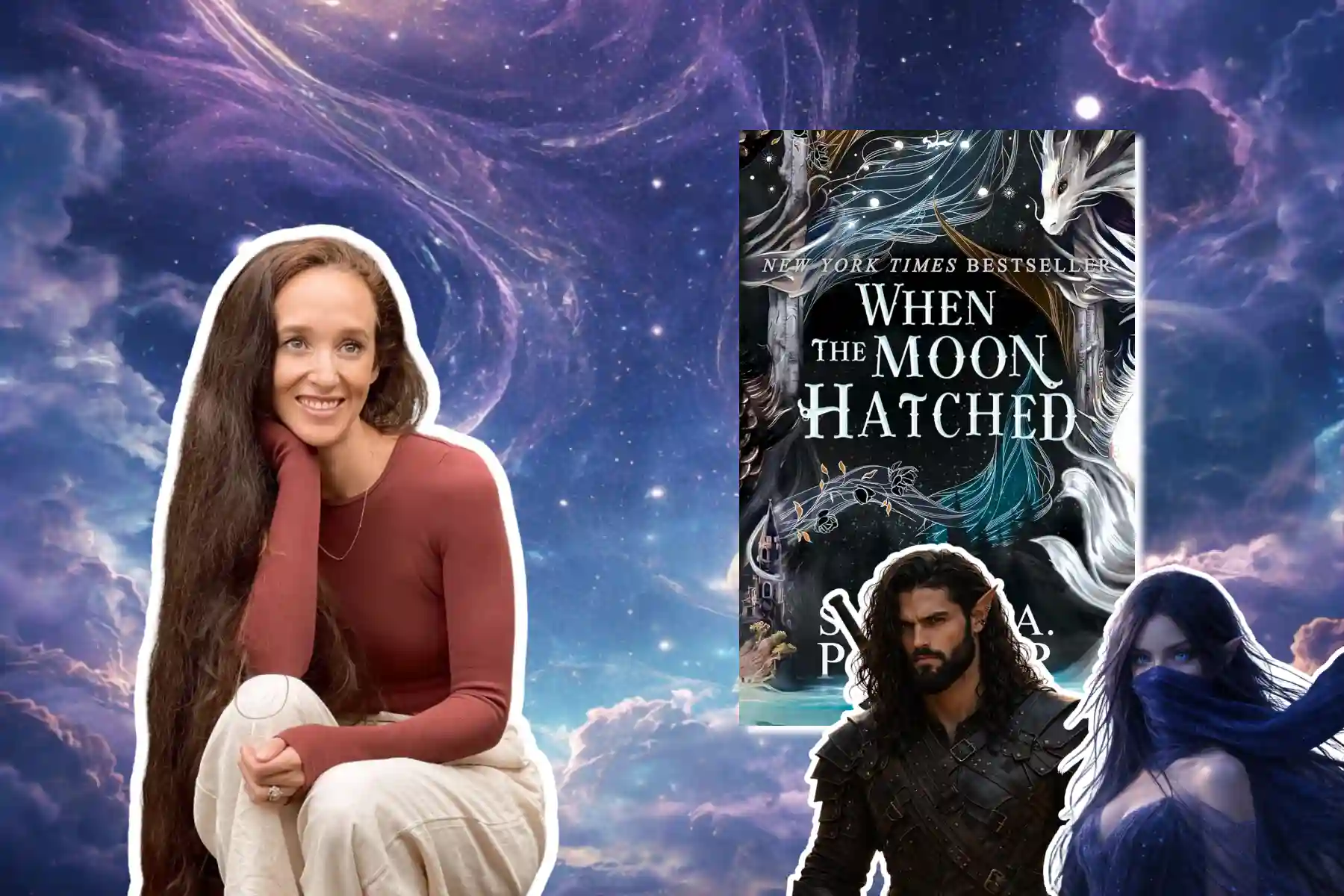
If you’re reading When the Moon Hatched—or preparing for the sequel—you’ve probably realized one thing very quickly: this world is massive.
If you’re confused about the world of When the Moon Hatched, you’re not alone. With its three realms, elemental songs, dragon species, and the mystery of the Aether Stone, the story introduces a world that can feel overwhelming at first.
This guide breaks down the world of When the Moon Hatched, including the map, the kingdoms, the gods, the magic system, the dragons, and the key lore details that matter most before book 2.
Contents
The World of When the Moon Hatched Explained
The world is divided into three primary regions: the Burn, the Fade, and the Shade. Each territory has its own climate, ruler, culture, and dragon species.
These regions form the political and environmental backbone of the story, and their differences influence everything from warfare to magic to the personalities of the people who live there.
At the same time, the world is shaped by ancient mythology. According to legend, five powerful gods known as the Creators once formed the world through their songs, and remnants of that power still exist in the magic system used today.
Major Characters in When the Moon Hatched
When the Moon Hatched features a large cast spread across the Burn, the Fade, and the Shade. This quick character guide covers the most important figures, including their powers, elemental songs, and role in the story.
| Image | Character | Appearance | Elemental Song | Background |
|---|---|---|---|---|
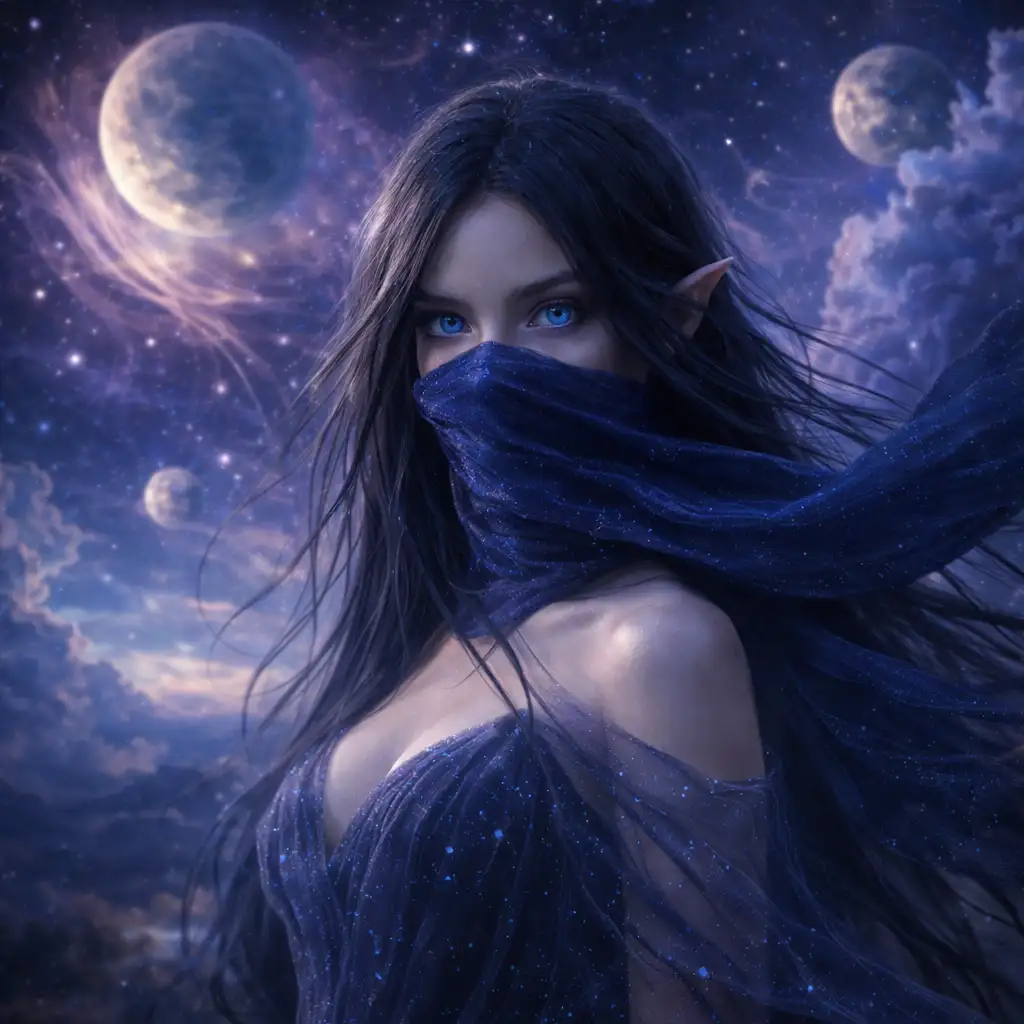 | Raeve | Dark hair, powder-blue eyes, lean build | Clode (Air), Bulder (Ground), Rayne (Water), Ignos (Fire) | Assassin of Fíur Du Ath who uncovers her past and connection to Elluin. |
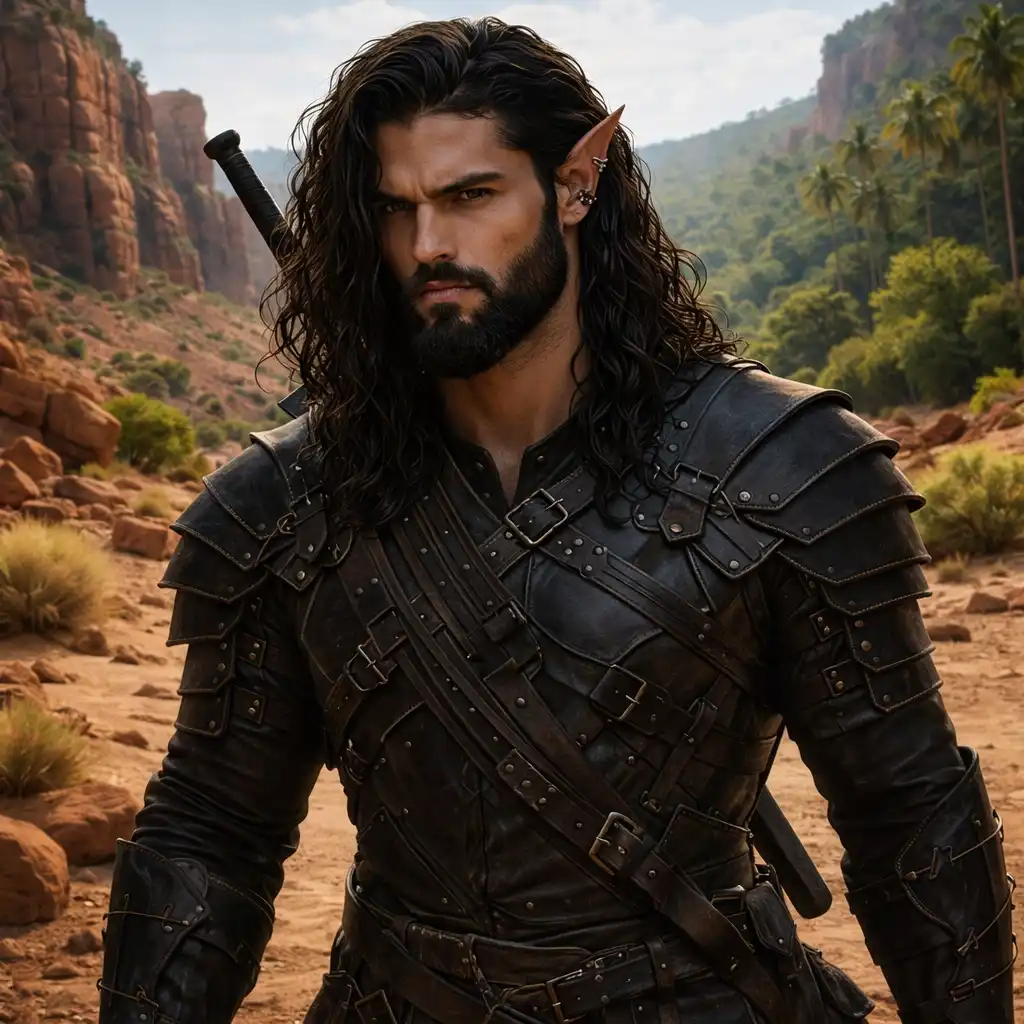 | Kaan Vaegor | Dark hair, tall build, eyes like molten firewood | Ignos (Fire), Bulder (Ground) | King of the Burn and commander of the Sabersythe dragon Rygun. |
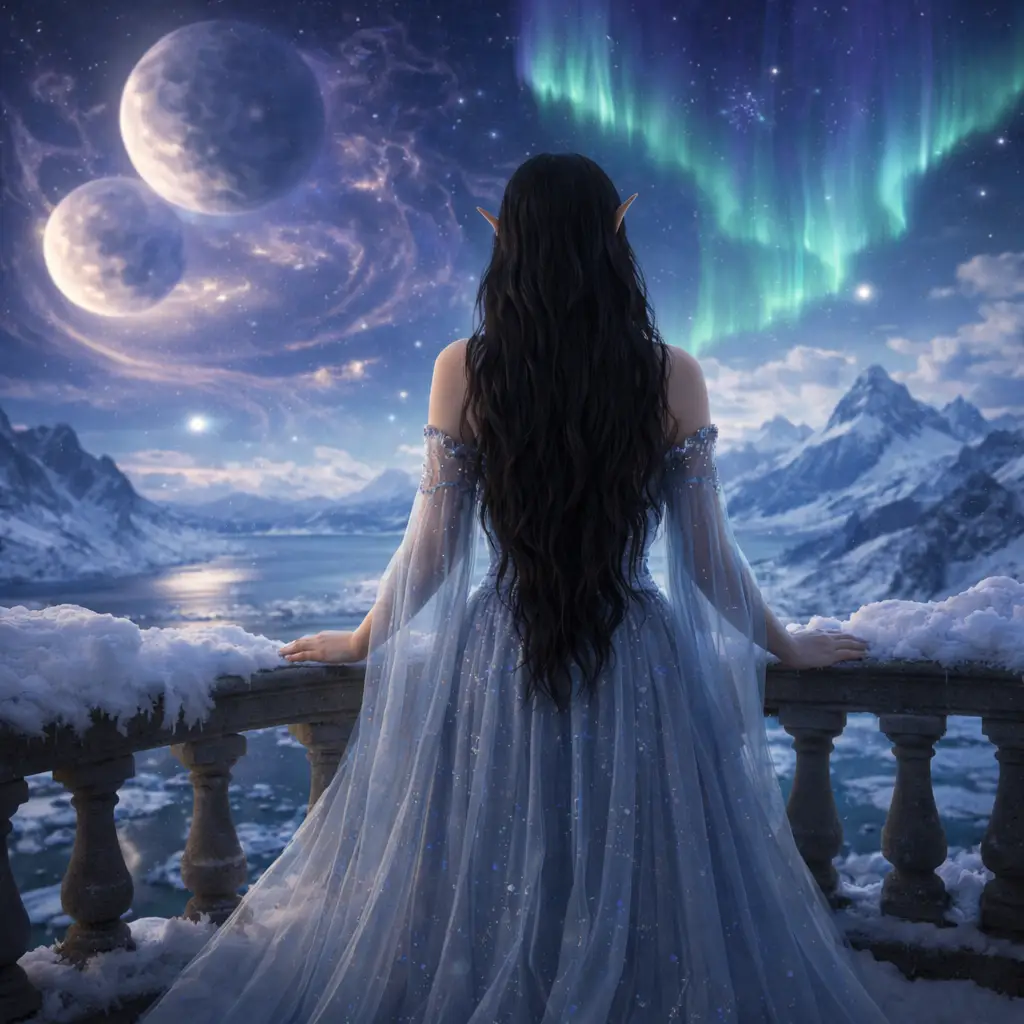 | Elluin | Pale skin, dark hair, delicate features | — | Figure from the past whose diary reveals her bond with Kaan and Slátra. |
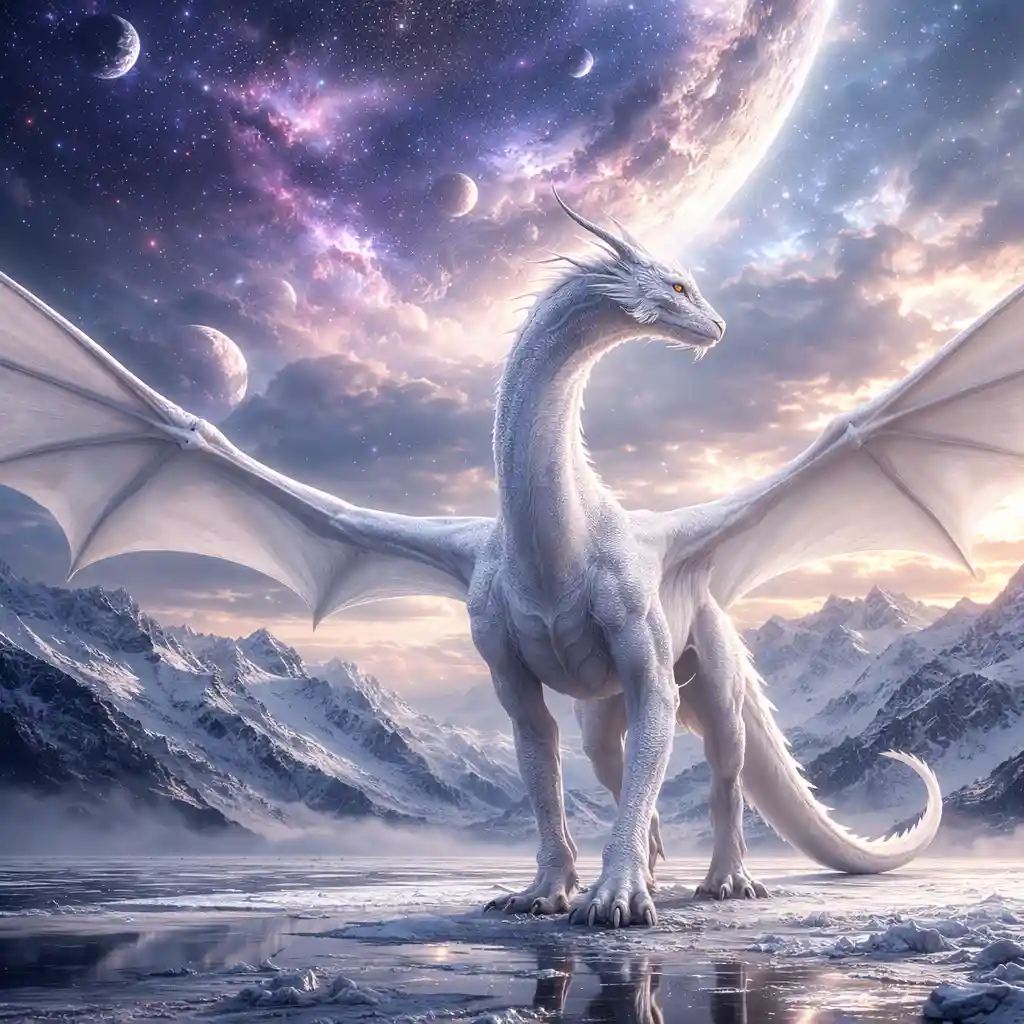 | Slátra | Luminous leathery skin, long silky tail, dark glittering eyes | — | A Moonplume dragon once bonded to Elluin. Slátra’s death and transformation into a moon lie at the heart of the world’s central mystery. |
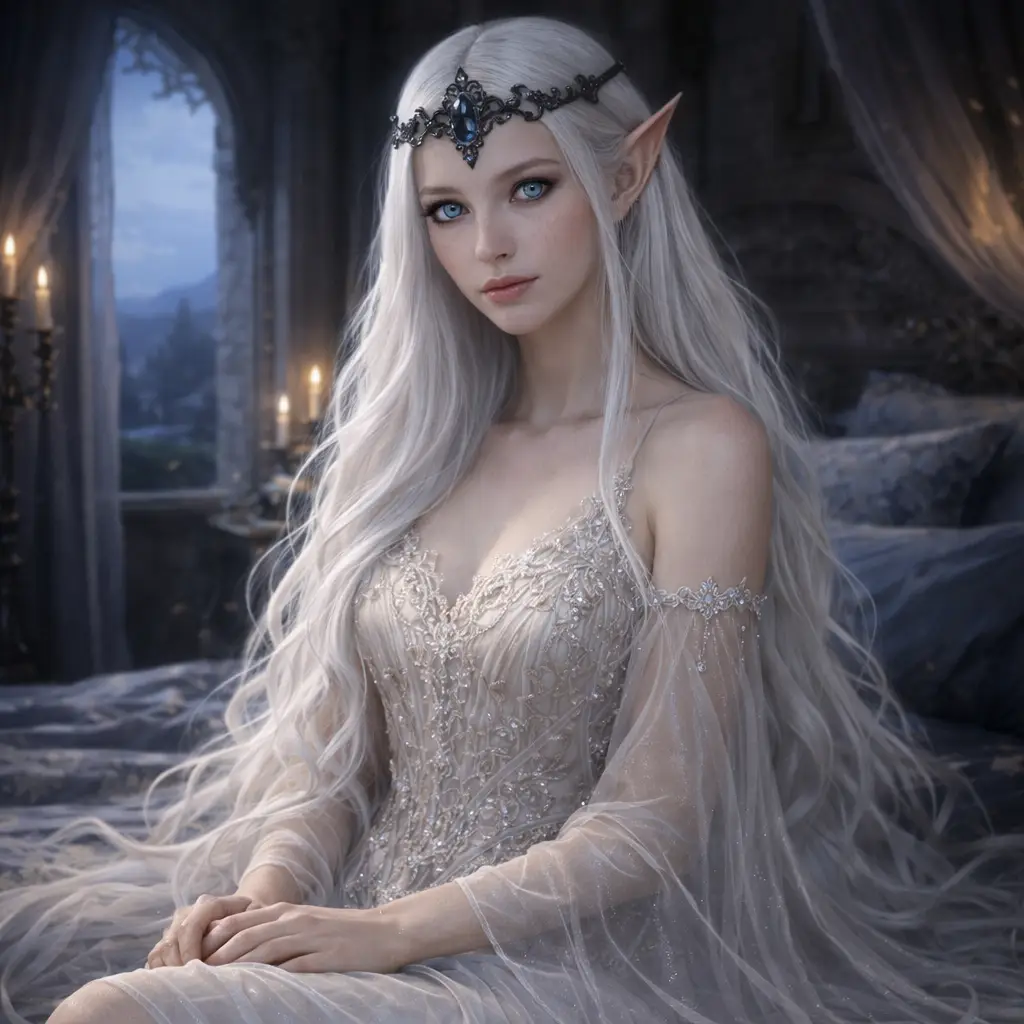 | Kyzari Vaegor | White hair past waist, azure eyes, pale skin, black Aether Stone diadem | — | Princess of the Shade who bears the Aether Stone and contains Cealis. |
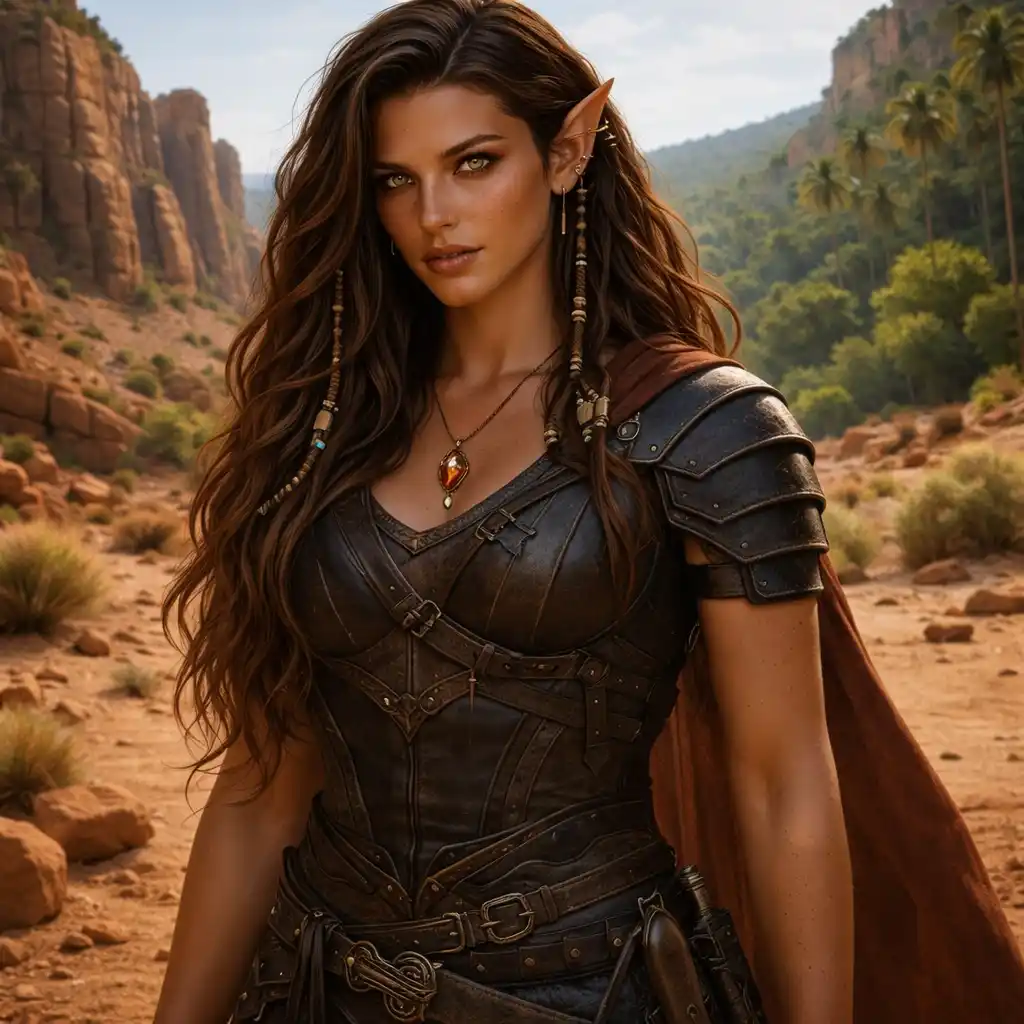 | Veya Vaegor | Sun-kissed skin, long warm-brown hair with beads, ember eyes, freckles | Bulder (Ground) | Kaan’s sister and a fierce warrior. |
| Essi | Long deep-red hair, tawny eyes with metallic flecks, null clip on left ear | — | Inventor and Raeve’s closest friend whose death drives Raeve’s actions. | |
| Sereme | White coiffed hair, silver eyes, flawless pale skin, purple coat | — | Leader within Fíur Du Ath who controls Raeve through a blood bond. | |
| Ruse | Bright orange curls, sunburst eyes, wide smile | — | Owner of the Curly Quill and supplier of weapons and tools. | |
| Uno | Small fox-like creature | — | Ruse’s miskunn with unusual awareness and possible foresight. | |
| Rekk Zharos | Long pale hair, cerulean eyes, red and brown beads | Ignos (Fire), Bulder (Ground) | Bounty hunter sent by the Crown and responsible for Essi’s death. | |
| The Other | Shadowy shifting presence | Clode (Air), Bulder (Ground), Rayne (Water), Ignos (Fire) | A hidden entity within Raeve that can take control and unleash immense power. | |
| Cadok Vaegor | Dark hair, pale eyes, sharp features | Multiple | King of the Fade and one of the Vaegor brothers. | |
| Tyroth Vaegor | Dark hair, tall build, stern expression | Clode (Air), Bulder (Ground), Ignos (Fire) | King of the Shade and a powerful tri-blood ruler. | |
| The Scavenger King | Gaunt face, dark hair, intense eyes | Ignos (Fire) | Hidden Vaegor heir and antagonist who captures Kyzari. | |
| Grimh | Snow-toned hair, icy eyes, square jaw, large build | — | Kaan’s second-in-command and a loyal warrior in the Burn. | |
| Pyrok | Emerald eyes, lean build | Ignos (Fire) | Member of Kaan’s court in the Burn. | |
| Saiza | Dark hair, tribal markings | — | Member of the Johkull Clan who helps Raeve. | |
| Sól | White eyes, pale skin | — | Johkull seer who recognizes Raeve as Kholu. | |
| Oah Knok | Large build, weathered face | — | King of the Johkull Clan. | |
| Oah-ee | Very pale skin, long pale hair, bright green eyes | — | Queen of the Johkull Clan. | |
| Agni | Dark skin, long brown curly hair | — | Fleshthread healer with dragonsight. | |
| Vruhn | Milky eyes, thin build | Rayne (Water) | Runi and mindweft in Dhomm. | |
| Dothea Vaegor | Dark hair, regal posture | Clode (Air) | Queen of the Fade. | |
| Wrook | Small rodent-like creature | — | Prisoner held near Raeve. |
The World of When the Moon Hatched: The Three Realms
The known world is divided into three major territories, each defined by its climate, dragon species, and ruling power.
The Burn
The Burn forms the northernmost portion of the world and is known for its extreme heat and relentless sunlight. Life in this region is shaped by the harsh climate, where the sun burns intensely and temperatures remain high throughout most of the year. Because of this environment, people often rely on protective clothing and strategies to shield themselves from the sun.
Despite the oppressive heat, the Burn is not a barren wasteland. Its landscapes are surprisingly diverse, ranging from dense rainforests to vast desert plains and enormous bodies of water. These varied environments create a rugged and resilient culture among those who call the Burn home.
The capital of the Burn is Dhomm, and the realm is ruled by King Kaan Vaegor, one of the most powerful figures in the world’s political structure.
The Burn is also the natural habitat of the Sabersythe dragons. These creatures thrive in the intense heat of the region and are known for their aggressive nature and heavily armored bodies. Their nesting grounds lie within the Burn’s harsh landscapes, where the scorching environment that would overwhelm many creatures is perfectly suited to them.
The Fade
Situated between the other two realms, the Fade occupies the central portion of the world and serves as a political and geographical bridge between the Burn and the Shade.
Unlike the blazing temperatures of the Burn, the Fade experiences a cold and often harsh climate. Snow and ice are common throughout much of the region, yet rainfall is rare. Instead of rainstorms, the land is more frequently shaped by freezing winds, sleet, and icy conditions.
One of the most striking features of the Fade is the massive stone wall that surrounds many of its main population centers. This wall acts as a protective barrier, separating the inhabited lands from the dangerous wilderness beyond.
The realm is governed by King Cadok Vaegor, and its capital city is Gore, a major political center within the world.
The Fade is home to Moltenmaw dragons, a unique species that thrives in the region’s colder climate. These dragons stand out for their feathered bodies and distinctive beaked faces, which set them apart from the more traditional scaled dragons found in other realms. They nest in the marshes and boglands of the Fade, where the damp, fire-rich landscape creates the perfect conditions for their eggs to hatch.
The Shade
At the southern edge of the world lies the Shade, a realm defined by perpetual cold and darkness. This region is the coldest of the three territories, with vast stretches of land permanently covered in snow and ice.
Unlike the Burn, where sunlight dominates the sky, the Shade is illuminated mainly by auroras and the moons overhead, creating a haunting and otherworldly atmosphere. The lack of sunlight and the constant cold shape every aspect of life in this region.
The capital of the Shade is Arithia, and the realm is ruled by King Tyroth Vaegor, another member of the powerful Vaegor royal family that governs the three regions.
The Shade is home to the elusive Moonplume dragons, creatures uniquely adapted to this frozen environment. These dragons flourish in darkness and extreme cold, but their bodies cannot tolerate direct sunlight, which would burn their skin. As a result, they remain closely tied to the icy landscapes of the Shade, where they can survive and hunt without exposure to the sun.
Dragons in When The Moon Hatched
Dragons are deeply integrated into the ecosystem, culture, and politics of the world. Each dragon species in When the Moon Hatched is tied directly to its environment, making them one of the most important worldbuilding elements in the story.
Moltenmaws
- Feathered dragons with sharp beaks
- Known for vibrant and varied color patterns
- Native to the Fade
- Considered the most adaptable species, able to survive in multiple climates
- Generally easier to charm or bond with
Their nesting grounds lie in marshy landscapes where eggs are hatched through fire. Because they adapt more easily than the other dragon species, Moltenmaws often feel like the most versatile dragons in the world.
Moonplumes
Moonplumes live exclusively in the Shade, where the environment is cold and dark. They are known for their:
- luminous, leathery skin
- colors such as pearl, gray, iridescent, and white
- long necks and elegant shapes
Moonplumes are widely considered the most intelligent and cunning dragon species. However, they cannot survive in sunlight. Direct exposure burns their skin and leaves them blinded.
Sabersythes
Sabersythes dominate the Burn. These dragons are:
- large
- heavily scaled
- covered in spikes
Their scales typically appear in darker shades such as red, brown, or black. Adapted to extreme heat, they struggle to survive in colder climates. They are also known to be highly aggressive, particularly when their eggs are threatened.
Why Dragons Become Moons
In When the Moon Hatched, dragons don’t simply die — they become moons. When a dragon dies, its body petrifies and solidifies into a moon in the sky. However, something catastrophic began happening long after the world’s creation: moons started falling. The cause was eventually traced to Cealis, the god of Aether.
Cealis and the Creation of the Aether Stone
According to the mythology of the world:
- Cealis grew jealous because he could not be seen or worshipped like the other Creators.
- His unrest caused the moons to begin falling from the sky.
To prevent destruction, the other gods trapped Cealis inside a powerful artifact known as the Aether Stone. The stone was placed in a diadem and entrusted to the Neván family, whose descendants must guard it. The burden of containing Cealis is severe — the god’s endless singing gradually drives many female guardians of the line mad.
Elemental Magic: The Songs of the Creators
Magic in this world is tied to a phenomenon known as Elemental Songs. Certain individuals are capable of hearing the songs of the gods, which allows them to wield elemental power. Those who possess this ability signal their affinity through elemental beads. Each elemental song corresponds to one of the Creators and allows the wielder to control a specific natural force.
Elemental Bead Colors
Each Creator is associated with a color and element:
- Red — Ignos (Fire)
- Blue — Rayne (Water)
- Clear — Clode (Air)
- Brown — Bulder (Earth)
Wearing these beads publicly identifies which elemental song a person can hear.
Nulls
Not everyone can hear elemental songs. People without elemental magic are called Nulls. In certain societies, Nulls are marked by a cut on the ear, symbolizing their lack of magical ability. An iron pin can also suppress magical perception, preventing someone from hearing elemental songs and dulling their powers.
Time and Age in the World
The world uses a unique timekeeping system tied to celestial phenomena.
Aurora Cycles
An aurora cycle functions as the equivalent of a day. Each cycle represents the orbit of luminous ribbons of light around the planet.
Dae and Slumber
Each aurora cycle is divided into two phases:
- Dae — waking hours
- Slumber — rest period
Phases
A phase equals 1,000 aurora cycles. Age is measured in phases rather than years.
Historical Time
The timeline of the world is divided into:
- BS — Before Stone
- AS — After Stone
These eras are defined by the moment the Aether Stone was entrusted to the Neván family.
Other Magical Abilities
Beyond elemental magic, several rare supernatural powers exist.
| Dragonsight | The ability to see traces of ancient runes. These markings normally remain invisible unless illuminated by dragon flame. |
|---|---|
| Fleshthreads | Practitioners who use runic magic to heal wounds, repairing flesh and organs. |
| Mindweft | A rare power that allows someone to access or explore another person’s mind. |
| Truthtune | An ability that enables someone to sense when another person is lying. |
| Bloodlace | A magical affinity connected to blood that can reveal family ties or ancestral origins. |
With book 2 on the way, understanding the realms, dragons, magic, and mythology of When the Moon Hatched makes the story much easier to follow — and much more rewarding to reread.
When the Moon Hatched FAQ
What are the three realms in When the Moon Hatched?
The world of When the Moon Hatched is divided into three major realms: the Burn, the Fade, and the Shade. Each region has its own ruler, climate, and dragon species, which makes them central to the story’s politics and worldbuilding.
Why do dragons become moons in When the Moon Hatched?
When a dragon dies, its body petrifies and becomes a moon in the sky. This idea sits at the heart of the series’ mythology and explains why the falling moons are such a major threat in the story.
What is the Aether Stone in When the Moon Hatched?
The Aether Stone is the artifact used to imprison Cealis, the god of Aether, after the moons began falling. It is set inside a diadem and guarded by the Neván bloodline.
What are the Elemental Songs in When the Moon Hatched?
The Elemental Songs are the source of elemental magic in the world. People who can hear them gain power linked to one of the Creators, such as Ignos for fire, Rayne for water, Clode for air, or Bulder for earth.
What are Nulls in When the Moon Hatched?
Nulls are people who cannot hear the Elemental Songs and therefore cannot wield elemental magic. In some parts of the world, they are marked by a cut on the ear.
How is time measured in When the Moon Hatched?
Time is measured through aurora cycles, which function like days. Larger units include phases, and the historical timeline is divided into BS (Before Stone) and AS (After Stone).
Who are the Creators in When the Moon Hatched?
The Creators are the five gods who shaped the world: Ignos, Rayne, Clode, Bulder, and Cealis. Their songs still influence the magic system and the larger mythology of the series.

No comments